Britain's Competition and Markets Authority said on 11 November that the plan to combine Unilever's food business with McCormick may substantially lessen competition in the UK. The deal will go to an in-depth phase 2 investigation unless the companies offer remedies the regulator accepts, with proposals due by 18 November.
What the regulator found
The CMA opened its case on 21 July and launched its formal phase 1 inquiry on 16 September. Its phase 1 decision, announced on 11 November, found that on the evidence available the merger may be expected to result in a substantial lessening of competition in one or more UK markets.
According to Reuters and Dow Jones, the concern centres on two categories sold to UK retailers: dry cooking ingredient mixes, such as chilli con carne mixes, and dry pour-over sauces, such as parsley sauce. The merger would bring together the two largest branded suppliers in these products.
The regulator found that rival brands, including Nestlé's Maggi and Premier Foods' Bisto, and supermarket own-label ranges, would put only a limited check on the combined business. It also said the deal could make it harder for rivals to enter or grow in the two categories.
Unilever: share price, chart and news
Brands in the frame
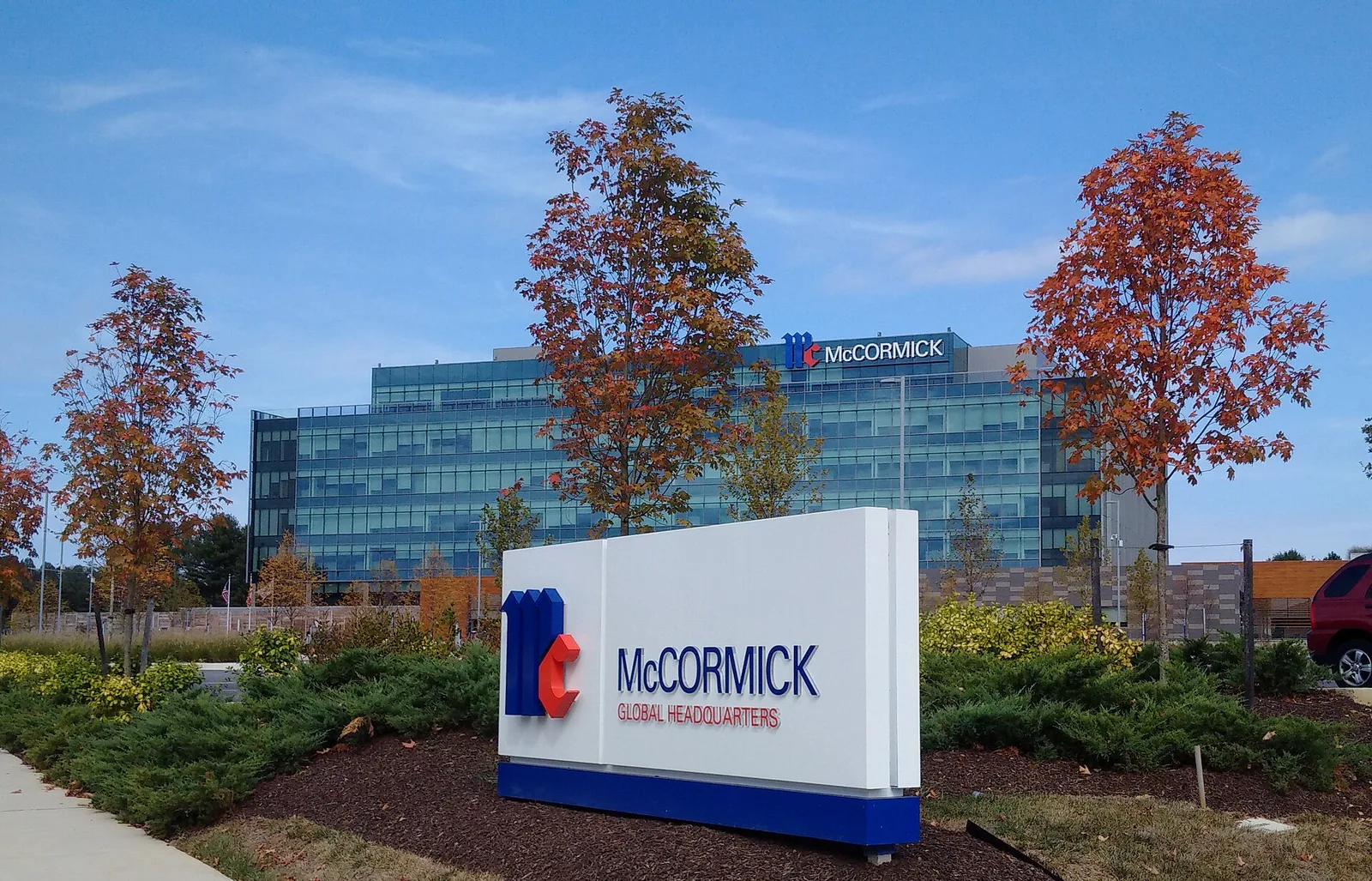
In the UK, McCormick sells dry mixes under its Schwartz brand. Unilever sells dry sauces and meal mixes under Knorr and Colman's.
Mustard is not part of the problem. The CMA treats English, French and American-style mustard as separate products that shoppers do not swap between, so putting McCormick's French's together with Unilever's Colman's and Maille raised no concerns.
Unilever said it had decided in August to sell the Colman's brand and its assets to deal with competition concerns in advance, and that talks with potential buyers are progressing well. A Unilever spokesperson called the CMA decision "an expected step in the regulatory process" and said the company is working with the regulator on a suitable remedy. McCormick said it, too, is working constructively with the CMA.
Chris Beckett, an analyst at Quilter Cheviot, told Reuters that the Colman's sale may no longer be needed now that mustard is cleared, and that McCormick's Schwartz products could instead form part of a remedy package.
The deal at a glance
- 18 Nov deadline for the companies to offer remedies to the CMA
- $65bn+ value of the combined sauces-to-spices company, including debt
- Mid-2027 targeted completion of the combination
The wider deal and its timetable
The transaction would merge Unilever's food business, home to brands such as Knorr and Hellmann's, with McCormick, the US maker of French's mustard and Frank's RedHot sauce. Dow Jones values the combined company at more than $65 billion including debt.
Other approvals are moving. Reuters reported that the deal cleared the US Hart-Scott-Rodino waiting period on 5 October, according to Federal Trade Commission records. Unilever said it continues to make good progress on regulatory approvals around the world and remains confident of a timely completion, which it expects by mid-2027. Alliance News reported that McCormick plans to seek a secondary listing in London.
The food deal is part of chief executive Fernando Fernandez's plan to shift Unilever towards faster-growing beauty and personal care businesses, after the ice cream business was spun off last year. Separately, the Financial Times reported on 4 November, as relayed by MarketScreener, that Unilever aims to save €1 billion by its 2029 financial year.
Market reaction
The decision did little to Unilever's shares. Alliance News reported them 0.5% lower at 4,916 pence on Wednesday afternoon, and Reuters described them as little changed. McCormick's shares were down 2.1% at 14:38 GMT, Reuters said.
Risks and what to watch
The first date is 18 November, when remedy proposals are due. If the CMA judges that an offer could resolve its concerns, it can consider accepting undertakings instead of a full investigation. If no offer is made, or the offer falls short, the case goes to phase 2.
A phase 2 review would take longer and could end in clearance, clearance with conditions such as brand or asset sales, or a block. Any forced disposal would reduce what the combined company owns in the UK, and a longer review could push the mid-2027 target back. Investors should also watch the outcome of the Colman's sale, whose buyer and price have not been announced.
Sources
- CMA: McCormick / Unilever merger inquiry
- Reuters via MarketScreener: UK watchdog demands competition remedies in $65 billion Unilever-McCormick food deal (11 November 2026)
- Dow Jones via MarketScreener: McCormick's $65 billion Unilever Foods tie-up could harm competition, UK regulator warns (11 November 2026)
- Alliance News via MarketScreener: Unilever notes progress on approvals for deal with McCormick (11 November 2026)
- MarketScreener: Unilever eyes 1bn euros in cost savings by 2029 (4 November 2026)