Uranium Energy Corp has turned from a holder of uranium projects into a producer, with mines running in Wyoming and Texas. It has $495m of cash, no debt and a policy of selling at market prices. The shares have still fallen sharply this autumn, and the business remains early in its ramp-up.
What the company does
Uranium Energy Corp, listed on the NYSE American as UEC, mines uranium in the United States using in-situ recovery (ISR). Instead of digging ore out of the ground, ISR pumps a solution through the uranium-bearing rock and recovers the dissolved metal at the surface. The company is based in Corpus Christi, Texas.
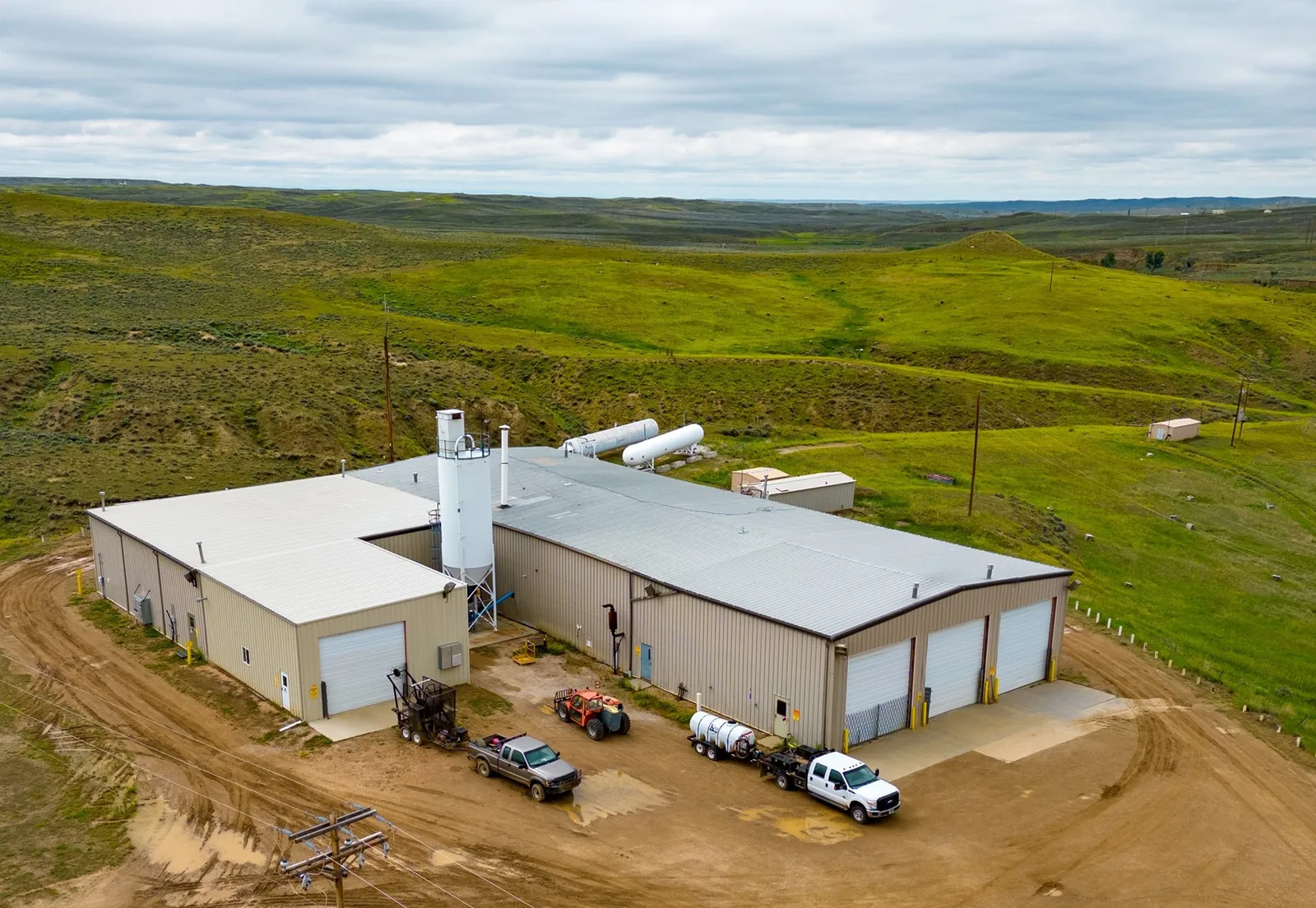
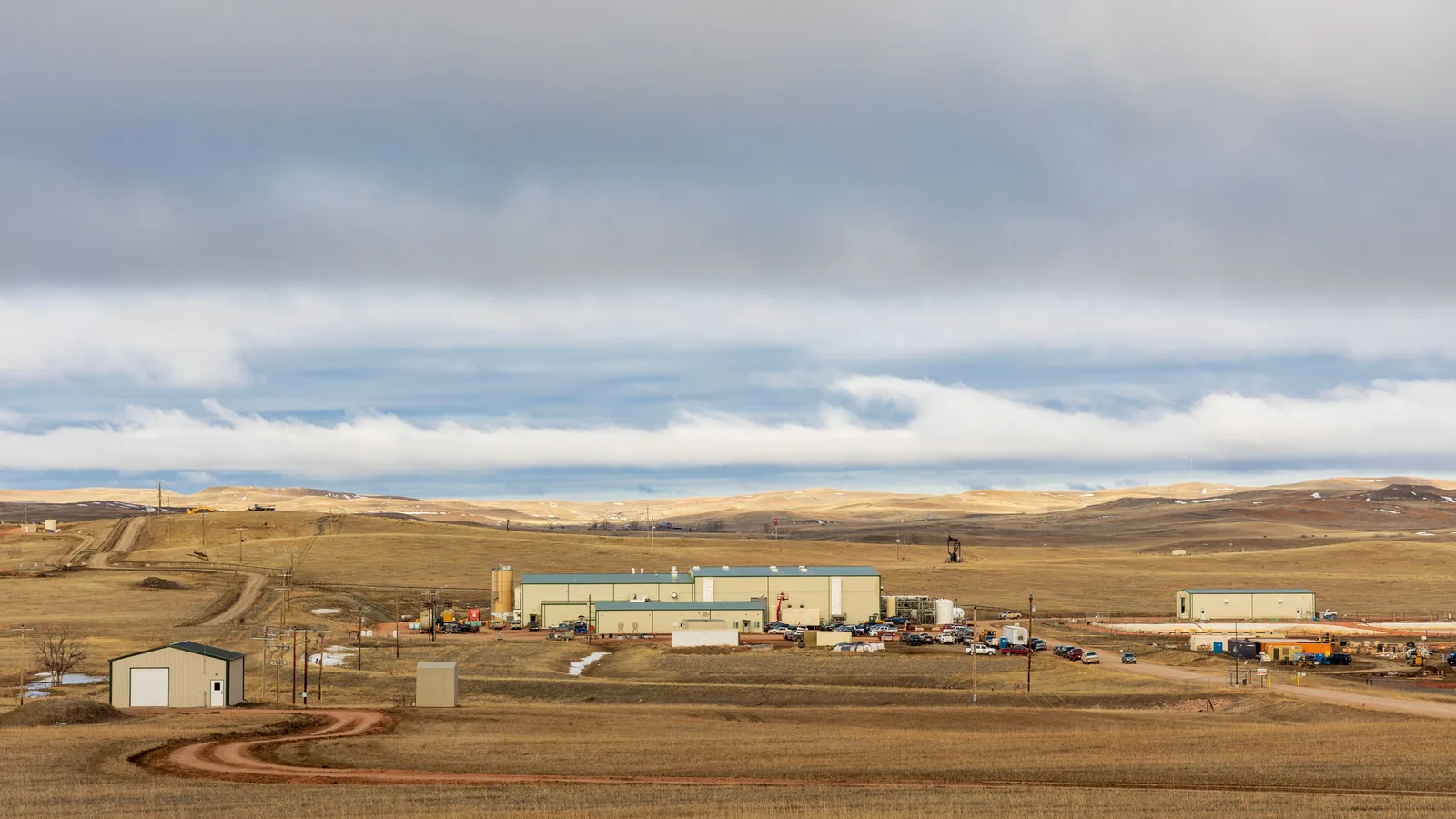
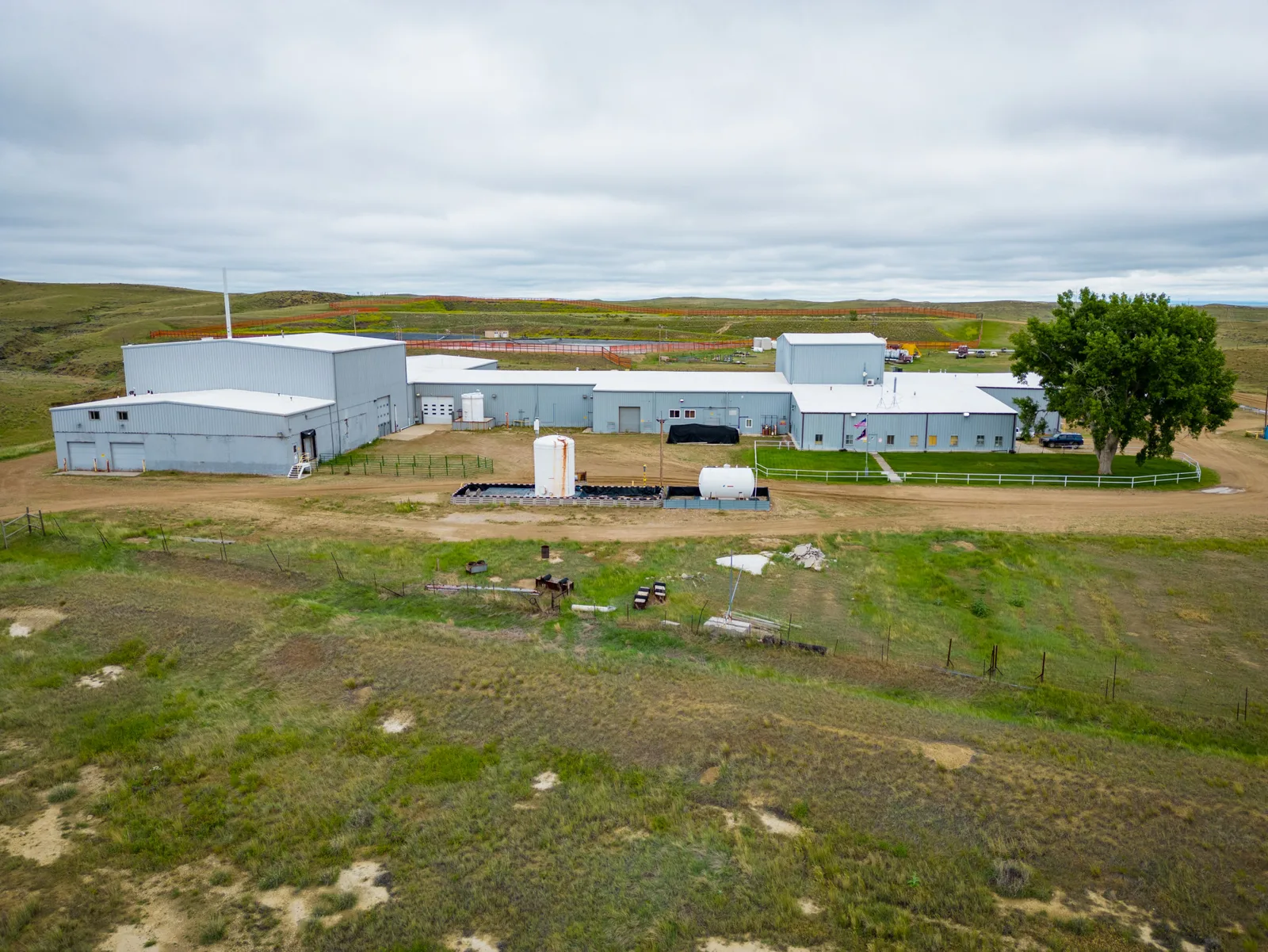
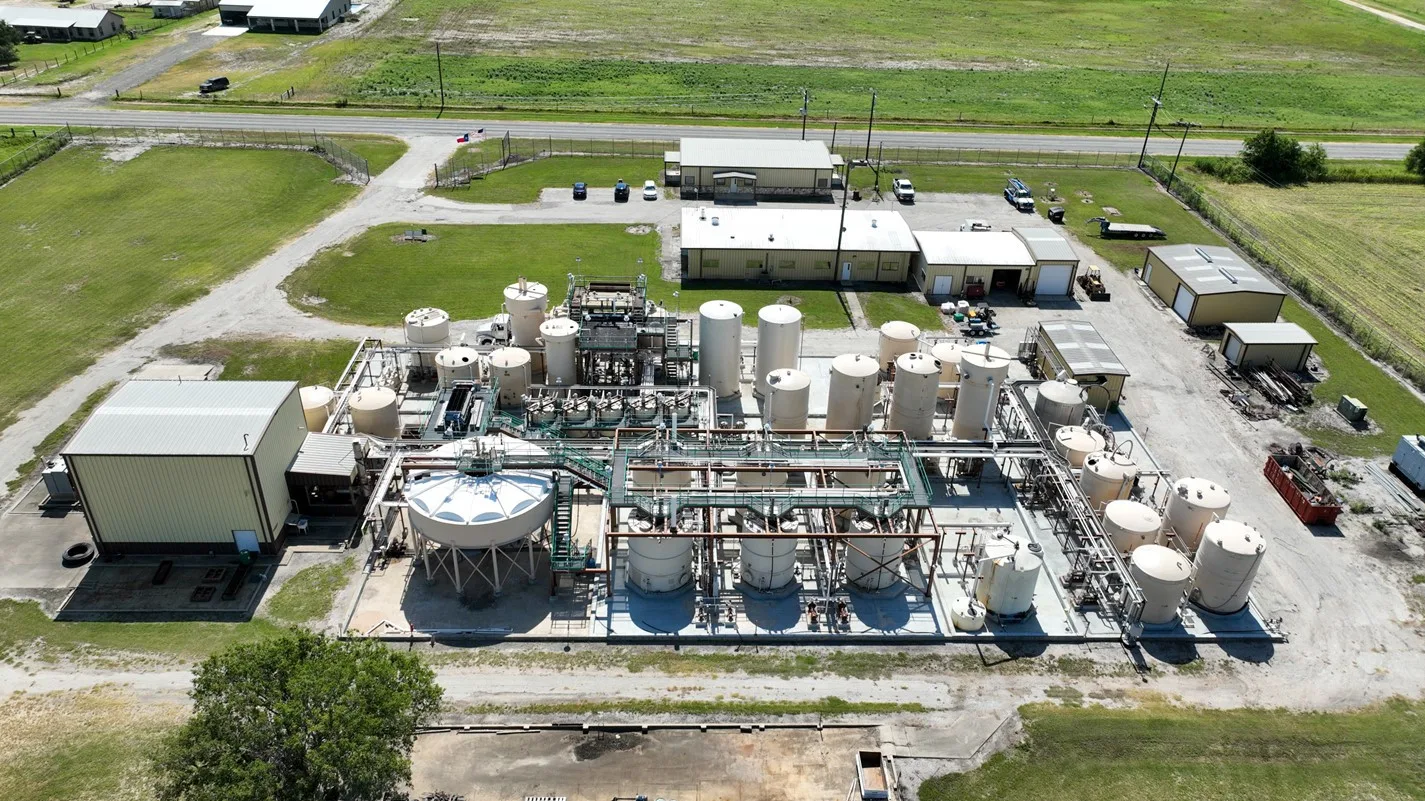
It runs two production hubs, each built around a central processing plant. In Wyoming's Powder River Basin, the Christensen Ranch wellfields feed the Irigaray plant, which is licensed for up to 4 million pounds a year. In South Texas, the Burke Hollow mine, which started in April 2026, feeds the Hobson plant, which has physical capacity of up to 2 million pounds a year and a licence for 4 million. The company says its licensed capacity across both regions is about 12.1 million pounds a year.
Uranium Energy: share price, chart and news
The asset base
Beyond the two operating hubs, Uranium Energy is building a third ISR mine at Ludeman in Wyoming. The first wellfield is under construction and long-lead equipment for a satellite plant has been bought. At Sweetwater, in Wyoming's Great Divide Basin, it bought assets from Rio Tinto and is going through federal permitting under the FAST-41 process.
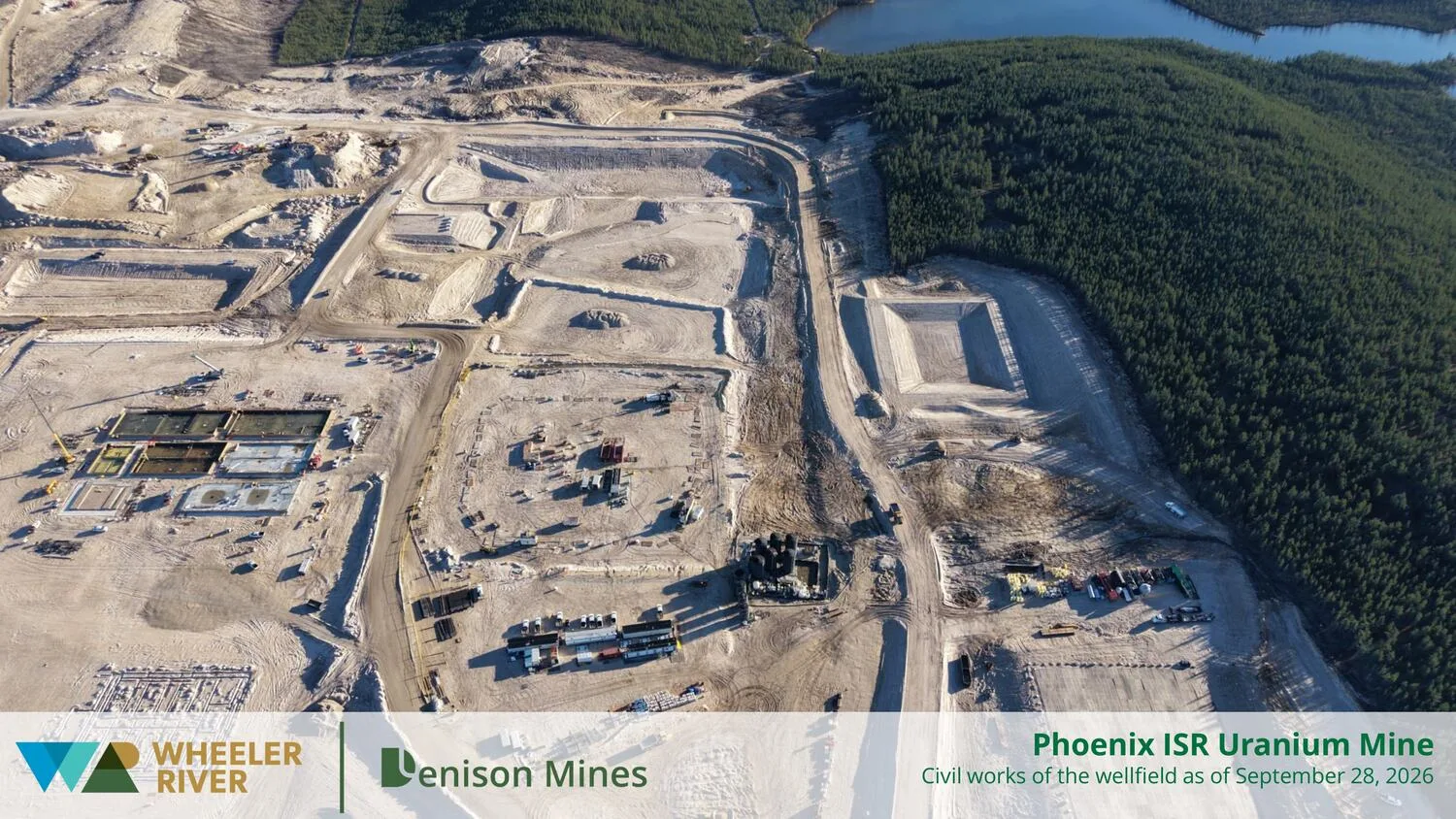
In Canada it owns the Roughrider project in Saskatchewan's Athabasca Basin, also bought from Rio Tinto. The drilling programme there has been expanded to 36,000 metres, and a preliminary feasibility study is being prepared with Tetra Tech Canada. In August the company signed a study agreement with SaskPower on connecting the project to the grid.
The company also holds stakes in other uranium businesses. At 31 July it owned 28,967,375 shares of Uranium Royalty Corp, a 7.6% stake, and about 32.6% of Anfield Energy. A newer venture, United States Uranium Refining & Conversion Corp, aims to add conversion capacity in the US, a step in the fuel chain between mined uranium and enrichment. It has an NRC docket number, is preparing a licence application and expects a cost estimate by mid-2027.
The latest numbers
In fiscal 2026, the year to 31 July, Uranium Energy reported revenue of $37.3m from selling 400,000 pounds from inventory at an average $93.13 a pound, and gross profit of $16.9m. It produced 229,294 pounds in the year, with output reaching 82,744 pounds in the fourth quarter, up from 32,195 pounds in the third.
Costs fell as production rose. The combined total cost was $36.54 a pound in the fourth quarter, down 33% on the previous quarter, and total cash cost was $30.01. Both are non-GAAP measures defined by the company.
Balance sheet at 31 July 2026
- $495m cash and equivalents, with no debt
- $753m liquid assets, including equities and inventory at market value
- 1.26m lb of U3O8 held in inventory
The annual report shows 495,584,665 shares outstanding as of 25 September. At the closing price of $7.62 on 9 November, that values the company at about $3.8bn. The stock has traded as high as $20.34 in the past year and has fallen from $10.18 in mid-September.
On 5 November the company signed long-term contracts with two US nuclear utilities, which it did not name, for a total of 1.1 million pounds over six years. One buyer takes 100,000 pounds a year from 2027 to 2032 and the other 100,000 pounds a year from 2028 to 2032. Every delivery is priced at the spot market price at the time, with no floor, ceiling, discount or fixed price.
The main risks
Uranium Energy says in its annual report that it is an exploration-stage issuer under US mining disclosure rules, and that it has not established and has no known mineral reserves. Its production plans therefore rest on resources and initial assessments rather than proven or probable reserves.
Key risks
- A history of net losses and negative operating cash flow, with no expectation of consistent profitability in the near term
- A need for significant additional financing, which could mean issuing more shares
- Ramp-up risk at Christensen Ranch and Burke Hollow
- Permit challenges at the Goliad project in Texas and permitting timelines at Sweetwater
- Full exposure to uranium prices, because sales are not hedged
- Reclamation costs that could exceed estimates
The spot-priced sales model works both ways. It delivered a high average realised price in fiscal 2026, but a falling uranium price would feed straight into revenue, including under the new utility contracts. Output is also still small next to licensed capacity: 229,294 pounds against a licensed 12.1 million pounds a year.
The company also points to policy demand. It cites a request for information from the National Nuclear Security Administration describing a need for 4 million pounds a year of unobligated US-origin uranium, with deliveries possibly starting in 2030, and says it can supply that need. No contract has been announced.
What to watch next
| When | What |
|---|---|
| By about 10 December 2026 | First-quarter fiscal 2027 report, covering the three months to 31 October |
| Coming months | Output from the four newly approved Christensen Ranch header houses |
| March 2027 | Sweetwater environmental assessment expected |
| May 2027 | Sweetwater plan of operations approval expected |
| Mid-2027 | Cost estimate for the refining and conversion project |
| 2027 | First deliveries under the new utility contracts |
Chief executive Amir Adnani summed up the year by saying the company "became a multi-mine uranium producer" in fiscal 2026. The next reports will show whether output and costs keep improving as more wellfields come on stream.
Sources
- Uranium Energy Corp: Uranium Energy Corp Reports Fiscal 2026 Results (29 September 2026)
- Uranium Energy Corp: Form 10-K for the fiscal year ended 31 July 2026 (29 September 2026)
- Uranium Energy Corp: Uranium Energy Corp Signs Unhedged Long-Term Sales Contracts with Two Prominent U.S. Utilities (5 November 2026)
- Yahoo Finance: Uranium Energy Corp (UEC) price history