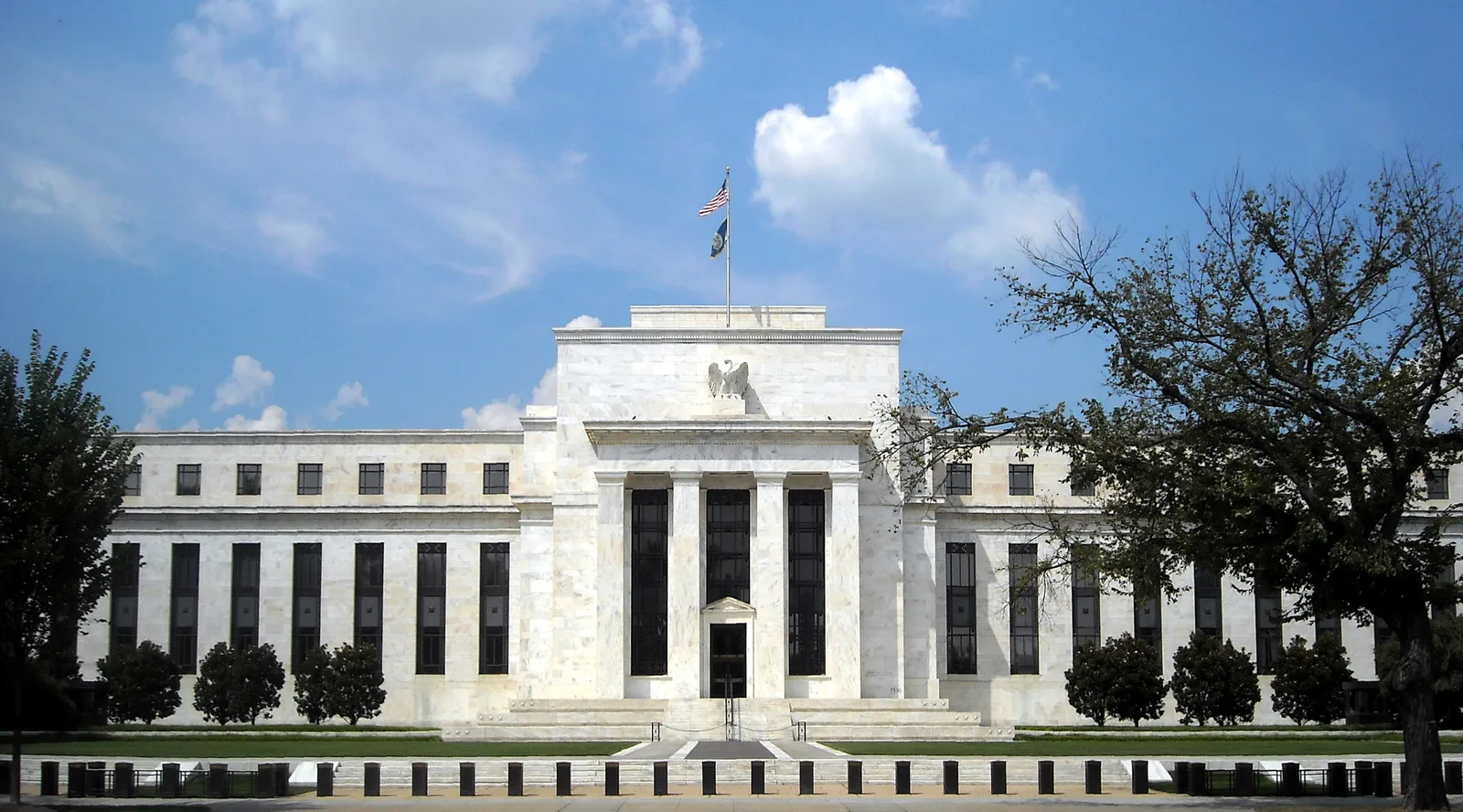
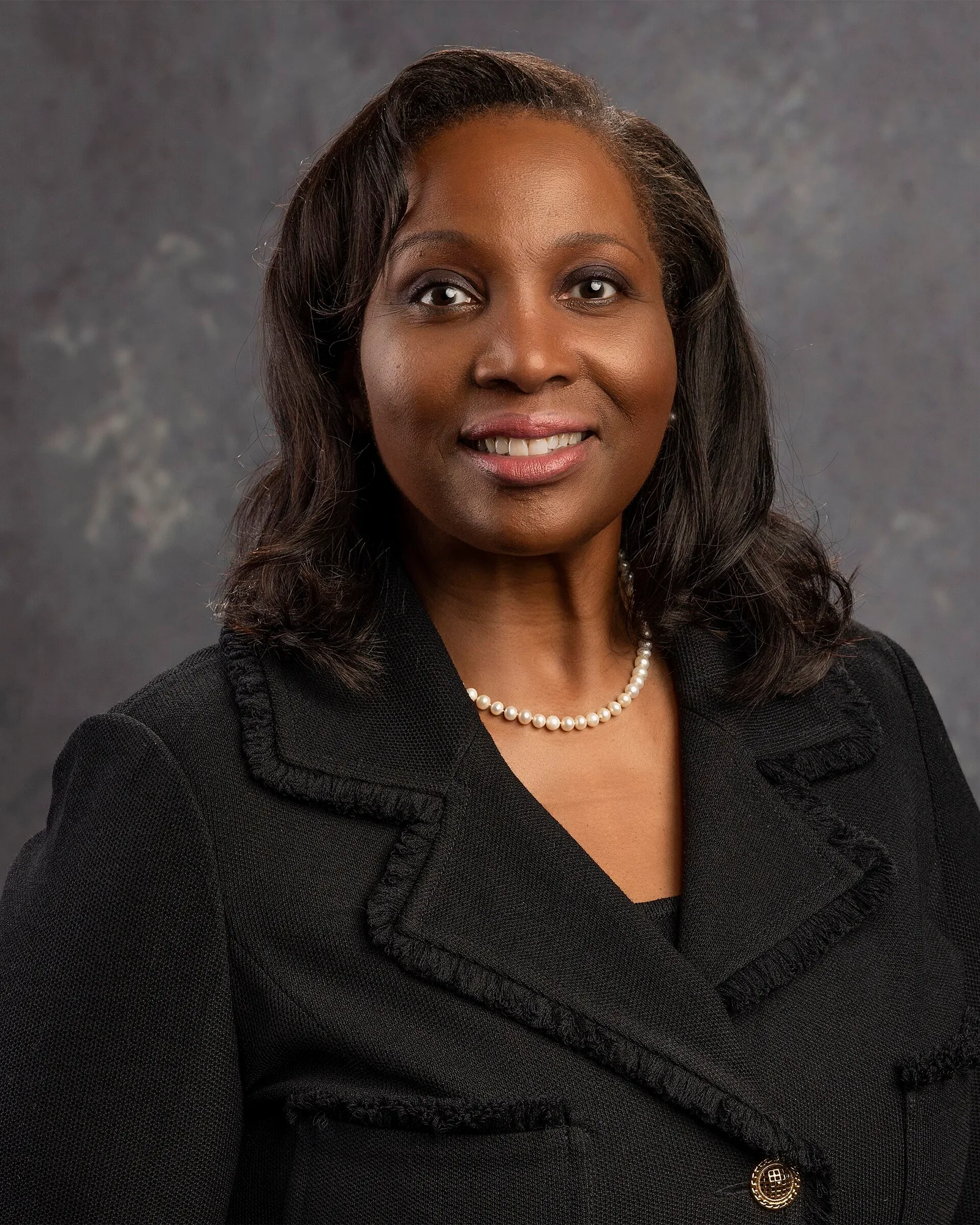
The Federal Reserve kept its target range for the federal funds rate at 3.75 to 4 percent on Wednesday, pausing after September's increase. Two policymakers, Governor Lisa Cook and Cleveland Fed President Beth Hammack, voted for another quarter-point rise.
The Fed's October decision
- 3.75%-4% Federal funds target range, unchanged
- 10-2 Vote, with two dissents in favour of a hike
- 5.042% US 10-year Treasury yield during the press conference
Two votes for a hike, and a tougher tone
The Federal Open Market Committee voted 10 to 2 to hold. Cook and Hammack both preferred to raise the range by a quarter of a percentage point. Hammack also dissented in July in favour of a rise, so her vote extends a consistent hawkish line, and Cook's vote puts a member of the Board of Governors in the same camp.
The September decision, which lifted the range by a quarter point to its current level, had been unanimous at 12 to 0. A split now, with both dissents on the hawkish side, tells markets the debate inside the committee is about how much higher rates go rather than when they come down.
The statement itself leaned the same way. It said economic activity is expanding at a strong pace, upgraded from solid in September, and noted strong productivity growth and robust capital investment. On prices it was blunt: inflation remains elevated, and the committee said it will deliver price stability. It added that it wants more information before choosing the right policy stance to bring inflation back to 2 percent in a timely way.
The Fed also announced that it will hold fewer policy meetings starting in 2027, without yet giving the new number.
Markets bet the pause ends in December
Most analysts read Wednesday's decision as a delay rather than a change of course. Heading into the week, futures were pricing about an 80 percent chance of a hike in December. Tom Graff, chief investment officer at Facet, said a December increase was already fully priced and called the pause a mistake. "The Fed should have hiked today," he said.
Others expect the same outcome. Kay Haigh of Goldman Sachs Asset Management expects increases to resume in December, and Christopher Hodge, chief US economist at Natixis, sees a December move as close to certain and questioned the point of waiting. Futures were also pricing two further increases, according to Chris Zaccarelli of Northlight Asset Management, who expects a December rise.
Not everyone agrees. Ronald Gestiehr, director of wealth management at Luttner Financial, backed the pause and warned that raising rates too far or too fast could tip the economy into recession.
How markets moved as Warsh spoke
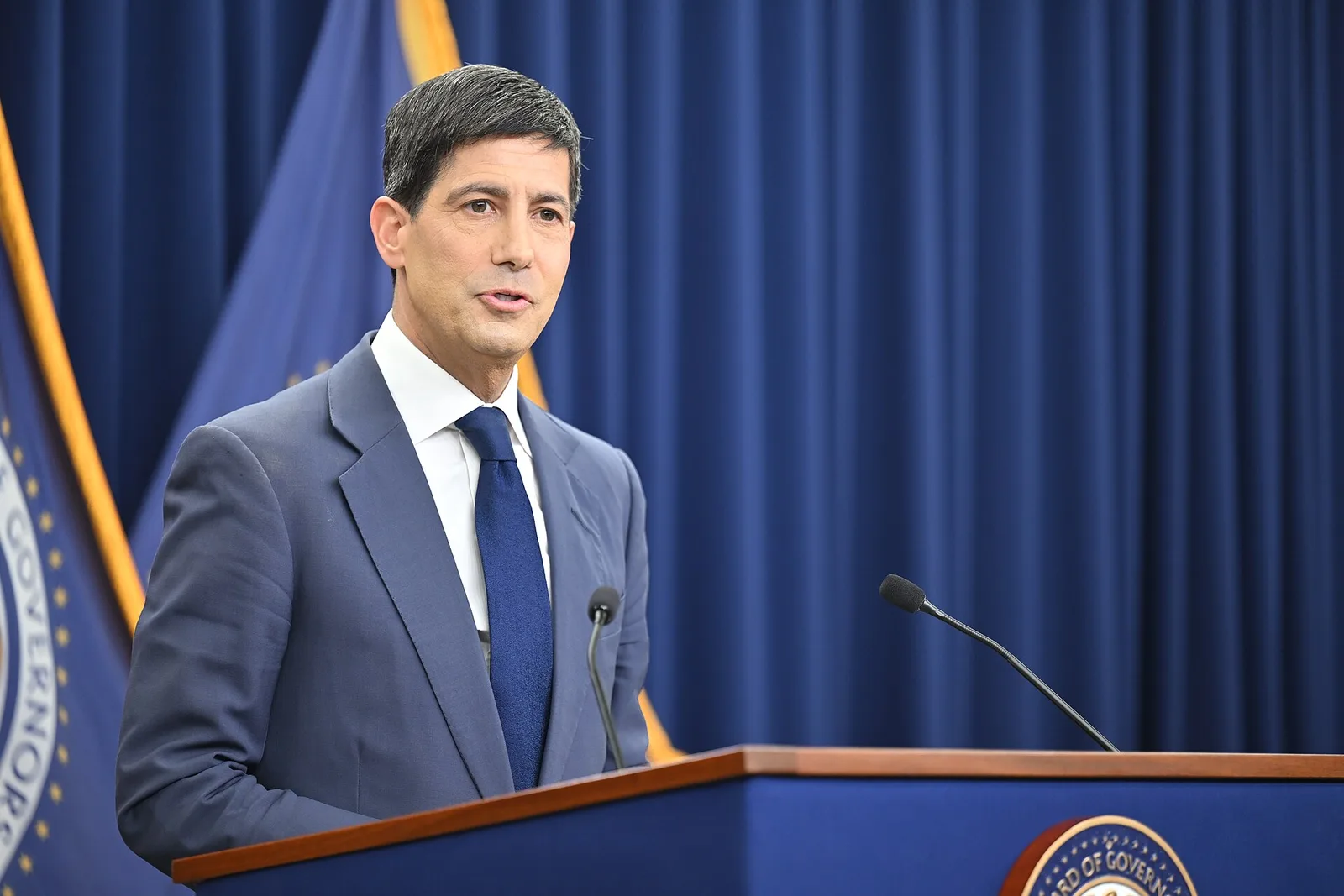
The first reaction was calm. US shares edged higher after Chair Kevin Warsh began his press conference, with the S&P 500 and the Nasdaq Composite each up 0.2 percent, while the dollar index slipped 0.2 percent.
The bond market told a more interesting story. Yields initially pulled back, then the curve steepened as Warsh spoke. The 2-year Treasury yield, which tracks expected Fed policy most closely, fell 3.8 basis points to 4.7 percent. The 10-year yield rose 5 basis points to 5.042 percent and the 30-year rose 6 basis points to 5.367 percent. That steepening suggests investors see near-term policy as roughly settled while demanding more to hold long-dated debt.
Why a 5 percent Treasury yield matters in Europe
US 10-year yields above 5 percent set a high floor for borrowing costs worldwide. They compete directly with European government bonds for investors' money at a time when French 10-year yields rose above Treasuries last week for the first time since 2013.
A softer dollar on the day offered the euro some support, but the larger effect runs through bond markets. When long-dated US yields rise, European long-term rates tend to come under upward pressure too, which feeds through to mortgage rates and corporate borrowing.
The next test comes within hours. The European Central Bank announces its own decision on Thursday 29 October, where a hold is widely expected, and investors will watch how it responds to the strain in French government bonds. The Fed's next decision, in December, is the one markets now treat as live.
Sources
- Federal Reserve: Federal Reserve issues FOMC statement, 28 October 2026
- Federal Reserve: Federal Reserve issues FOMC statement, 16 September 2026
- Nation Thailand: US Fed holds rates at 3.75% to 4% after October 28 vote, scales back future meeting schedule
- Hargreaves Lansdown (Sharecast): Europe close: Stocks gain as investors eye central bank meetings, oil retreats
- Political.org: France's Riots Rattle Markets: Bond Yields Hit 24-Year High as Investors Weigh Budget, Growth and Sector Risks Ahead of New Protests