Brent crude ended October 13.6 percent higher after an explosive charge struck a tanker in the Strait of Hormuz and Yemen's Houthis claimed attacks on Saudi energy sites, pushing the expiring December contract to $117.64 a barrel on Friday.
Both Benchmarks at Their Highest Since April
The December Brent contract, which expired on 30 October, settled up $2.76, or 2.4 percent, at $117.64 a barrel after touching $118 during the session. The more heavily traded January contract settled $2.63 higher at $113.43. US West Texas Intermediate rose $2.12, or about 2.1 percent, to $104.12.
Both benchmarks posted their highest settlements since the end of April. Over the month, Brent gained 13.6 percent and WTI 15.2 percent, as each new attack on Gulf shipping and Saudi infrastructure added to the risk premium traders were willing to pay.
Oil, 30 October settlement
- $117.64 Brent, expiring December contract
- 13.6% Brent gain in October
- 15.2% WTI gain in October
A First Successful Limpet-Mine Strike in the Strait
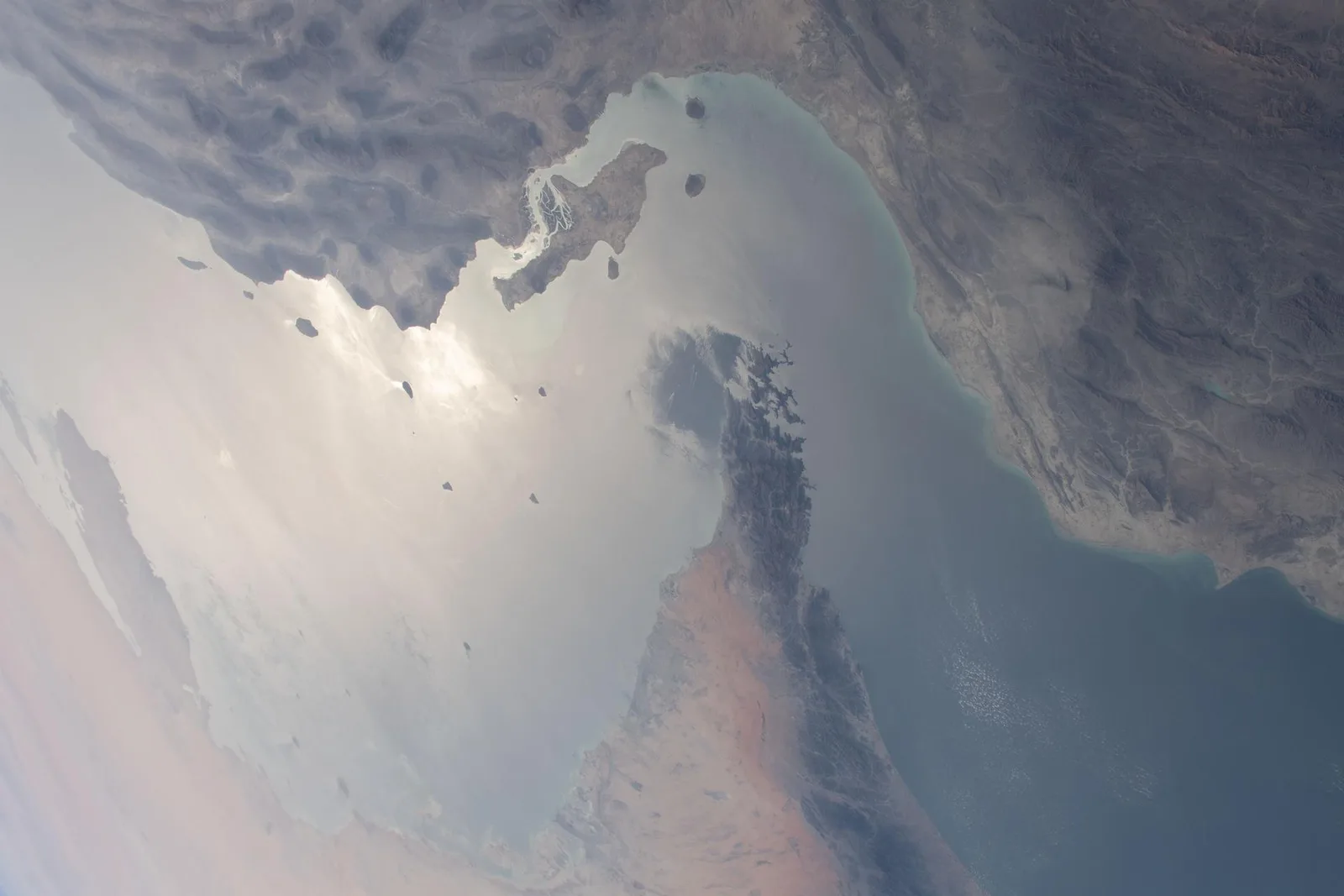
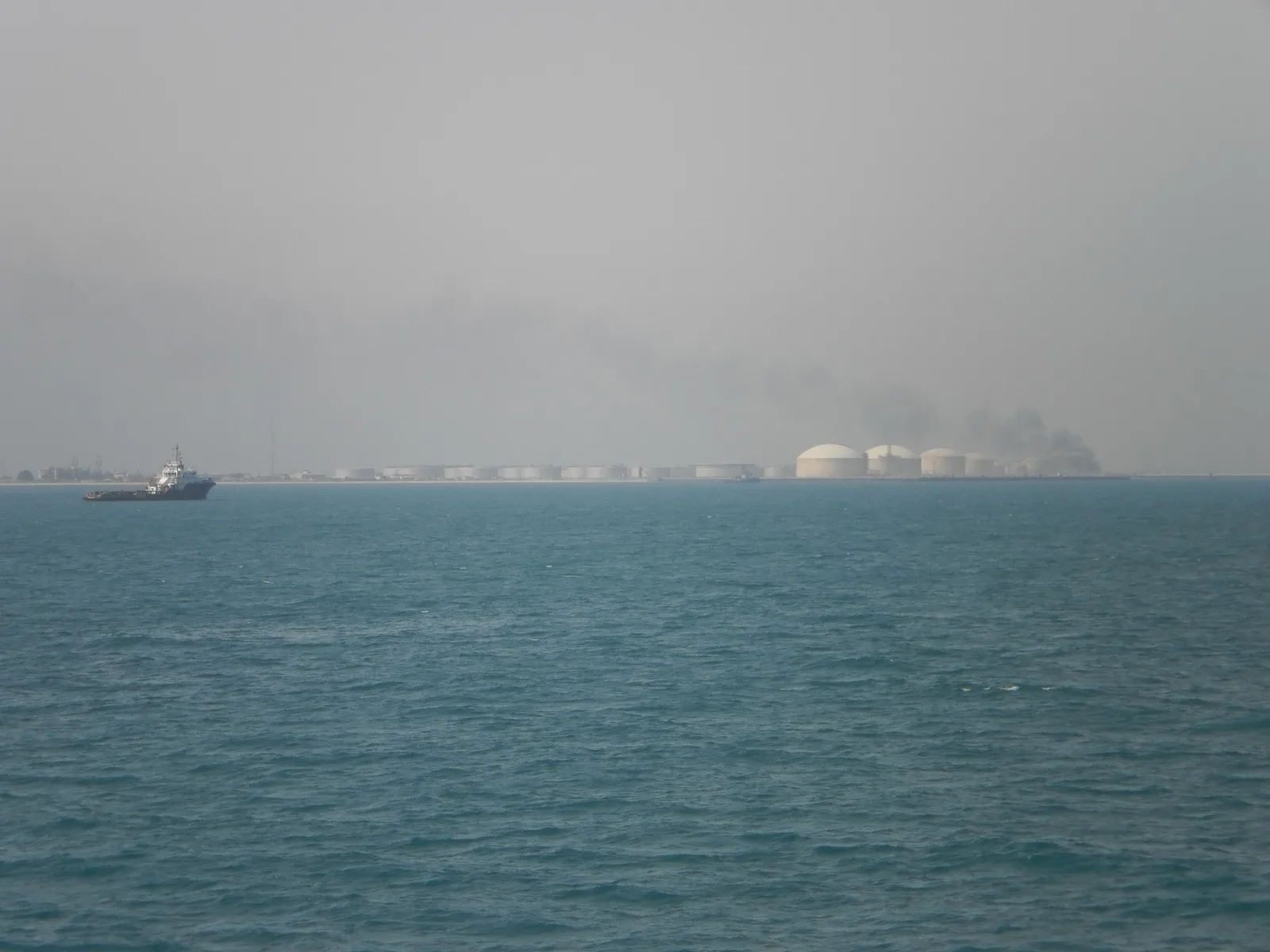
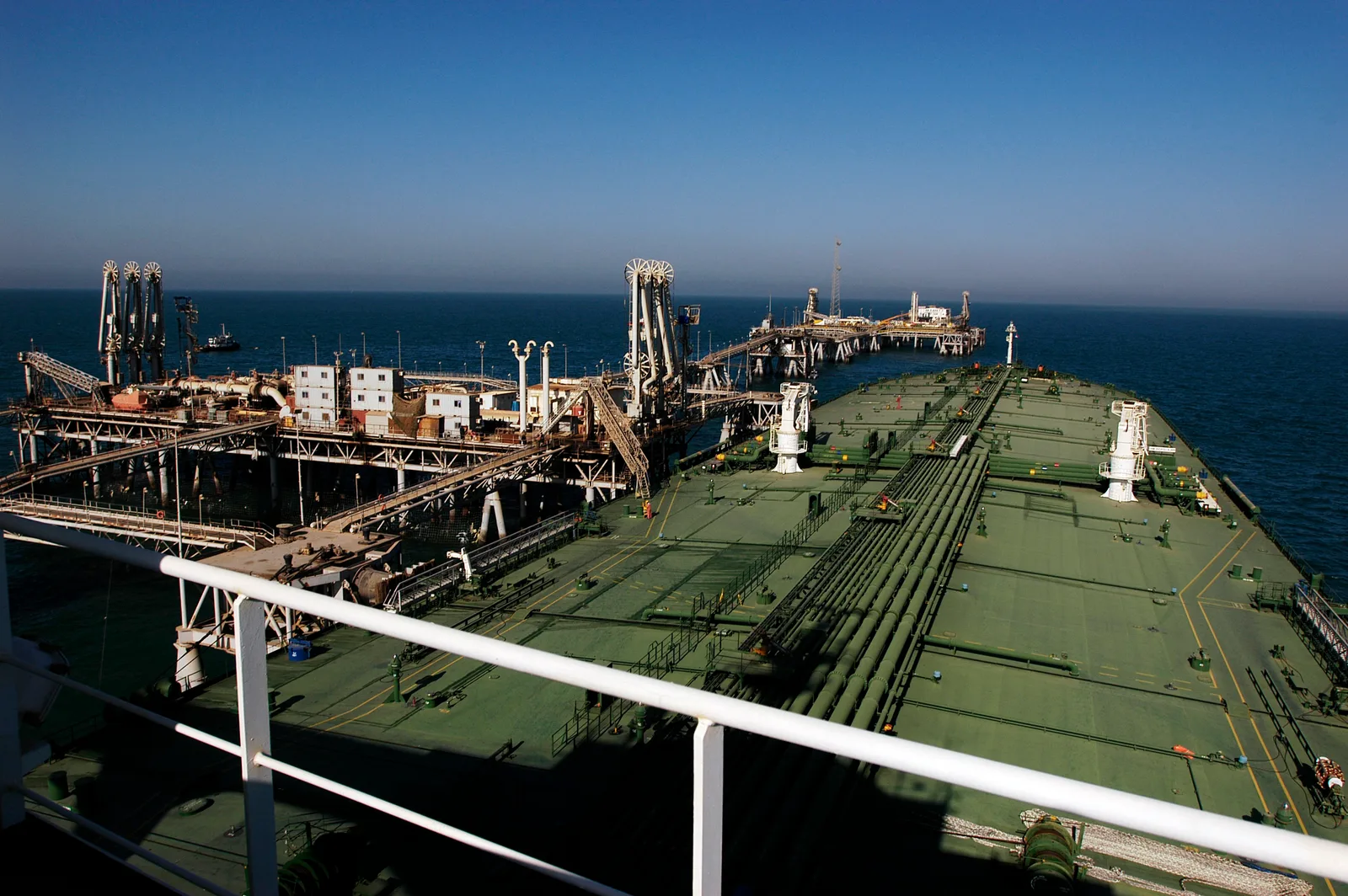
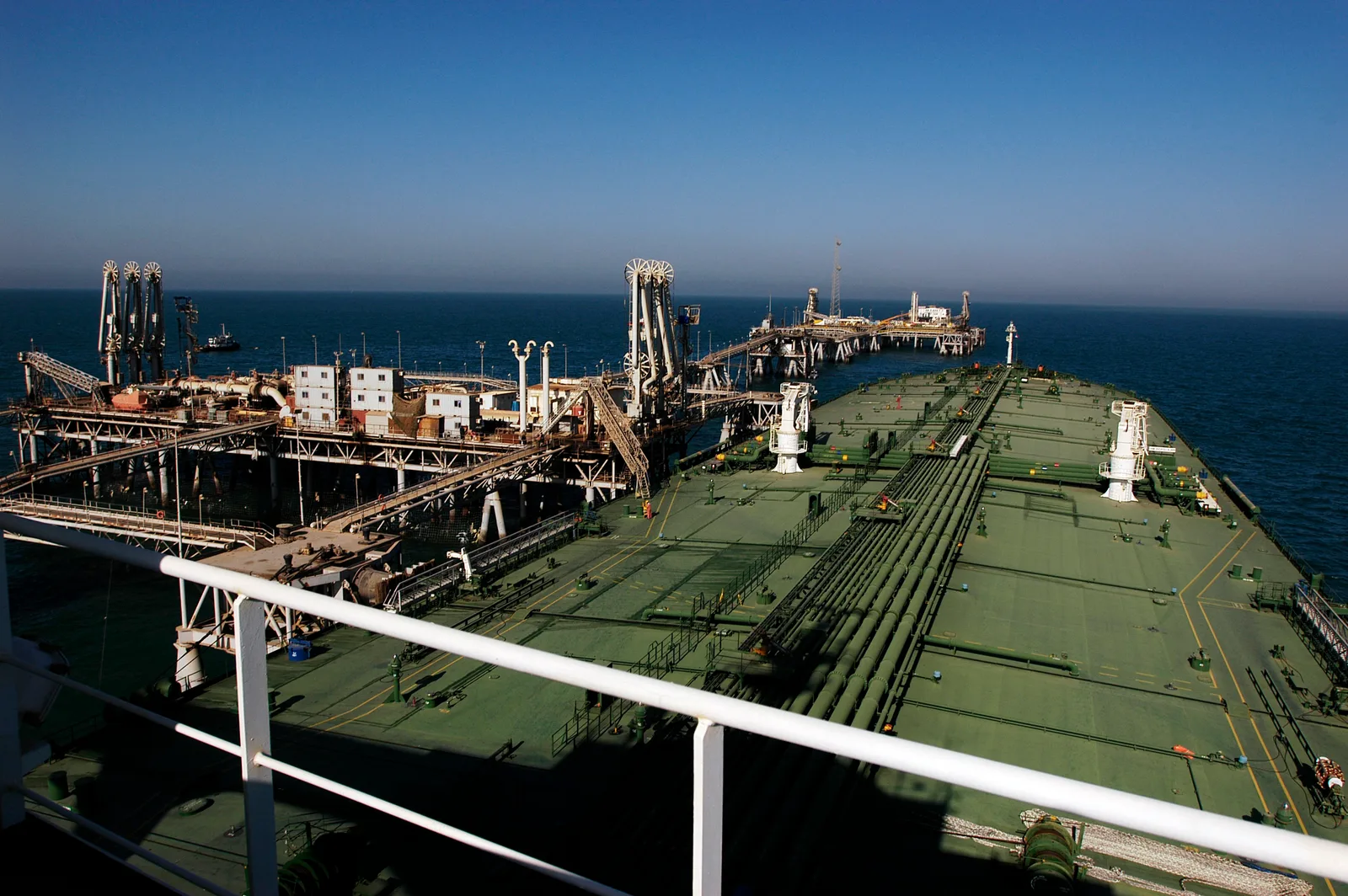
The trigger on Friday came from the sea. UK Maritime Trade Operations reported that a tanker in the Strait of Hormuz had been struck by explosive devices attached from a small boat. Responsibility was unclear. Maritime sources cited by Reuters described it as the first known successful limpet-mine strike in the waterway since the US-Israeli war with Iran began in February.
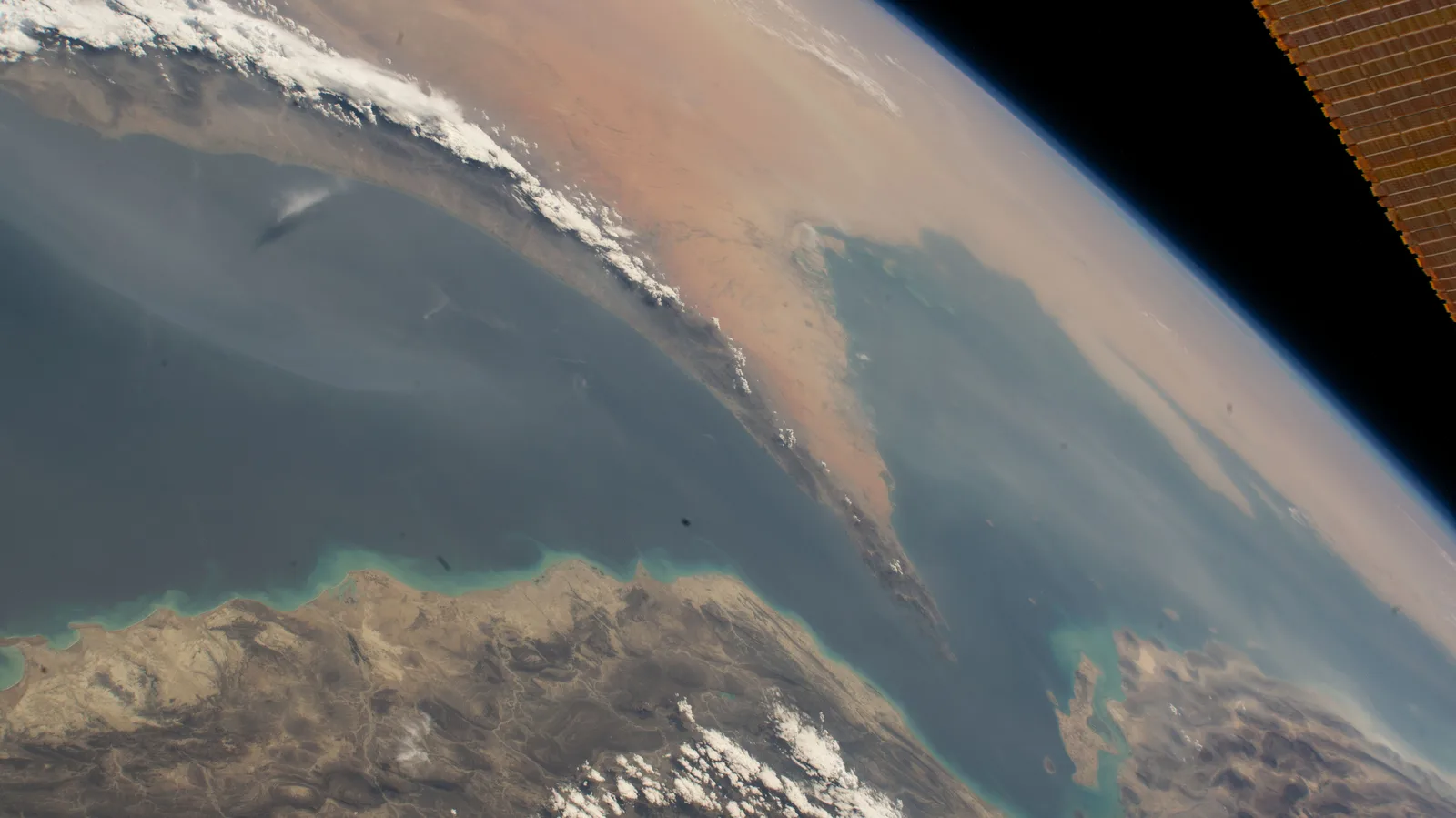
The strait is the main export route for Gulf crude and refined fuel, so even a single successful attack raises shipping risk and insurance costs for every cargo that passes through it.
The attack followed a day of escalation on land. On 29 October the Iran-backed Houthis claimed strikes on three Saudi sites: the Ras Tanura refinery, the Rabigh refinery and Saudi Aramco's production facility at Abqaiq. A Saudi-led coalition said it had intercepted a Houthi cruise missile aimed at western Saudi Arabia. On Friday the US embassy in Riyadh said non-emergency government staff and their families had been ordered to leave the kingdom, citing the risk from Houthi attacks on airports and critical infrastructure.
Markets: indices, currencies and commodities
Diplomacy and Supply Offer Only Partial Relief
There were signs of movement on the diplomatic track. Qatari mediators returned to Tehran on Friday as part of efforts to secure a US-Iran agreement, according to an official briefed on the talks. US President Donald Trump said on Thursday that Vice President JD Vance had contacted Iran to help it obtain medical supplies, and US media reported that Vance had written to Iran's top security official to restart peace talks. Iran's semi-official Tasnim news agency said Tehran had received the letter but not replied.
Physical supply data were mixed. Two of three ship-tracking companies showed Saudi Arabia exporting more crude in October than in September. In Libya, the National Oil Corporation said an armed group had closed a valve on the Hamada pipeline, halting about 15,000 barrels a day bound for the Zawiya refinery.
Dennis Kissler, senior vice president of trading at BOK Financial, said traders would focus on oil flows out of the Middle East and the chance of further escalation by US and allied forces. Denmark's Saxo Bank warned in a briefing on Thursday that prices could become more volatile over the next couple of weeks around Israel's recent elections and the US midterm elections on 3 November.
Saxo also gave a sense of where prices could settle once the fighting stops: in a range of $70 to $90 a barrel, compared with $60 to $70 before the war. Even that post-war range sits well above the pre-war level, which suggests the market expects part of the risk premium to outlast any ceasefire.
More Pressure on Europe's Fuel Bills and the ECB
For European households and businesses, oil above $110 feeds quickly into diesel, petrol, heating oil and freight costs. Euro-area inflation already rose to 3.8 percent in September from 3.2 percent in August, and the European Central Bank noted that diesel and petrol prices reached new peaks that month.
The ECB left its deposit rate at 2.5 percent on Thursday after raising it twice earlier in the year. It warned that a larger, more persistent energy shock could bring higher inflation and slower growth, and said energy prices had climbed above the path assumed in its September staff projections. A further leg up in crude, with Brent settling the month at its highest since April, makes that warning more concrete.
The US Federal Reserve faces a similar problem. It held its range at 3.75 to 4.00 percent on 28 October and left the door open to further increases, with analysts linking inflation pressure to energy prices and the Middle East.
The next tests for the market are clear: whether the Qatari mediation produces anything in Tehran, whether the Hormuz attack proves isolated, and how far the Houthi campaign against Saudi infrastructure goes. Until those answers arrive, traders are likely to keep paying for protection against further disruption.
Sources
- Nation Thailand (Reuters): Brent ends October up 13.6% as Iran war risks unsettle markets
- GMK Center: The ECB left its key interest rates unchanged
- Political.org (AP): Bank of Japan Holds Rates at 1.25% but Speeds Up Sell-Off of Stock Holdings, Capping Week of Central Bank Surprises
- Nation Thailand: US Fed holds rates at 3.75% to 4% after October 28 vote, scales back future meeting schedule