Oil rose about $3 a barrel on Thursday after Yemen's Houthi movement claimed attacks on Saudi energy sites and Iran said four tankers had been hit by explosions in the Strait of Hormuz. Brent crude settled 3.3 percent higher at $95.82.
US West Texas Intermediate crude settled at $88.74, up $2.21 or 2.6 percent. Even after the jump, both benchmarks were still down about 2.5 percent for the week, a sign of how much selling had come before Thursday's rebound.
Oil settlements, Thursday 12 November
- $95.82 Brent crude, up $3.06 or 3.3%
- $88.74 WTI crude, up $2.21 or 2.6%
- -2.5% both benchmarks for the week so far
Houthi Claims and Hormuz Blasts Reverse an Early Drop
The day started weakly. Crude fell about $1 in Asian trading as the week's losses extended, before the security news changed the mood.
The Houthis claimed attacks on a pumping station on Saudi Arabia's East-West pipeline, the route that carries crude across the kingdom to the Red Sea, on an oil facility in the port city of Yanbu and on an Aramco building in Riyadh. The Saudi-led coalition said it had intercepted and destroyed two drones, one over the Riyadh region and one over the Eastern Province.
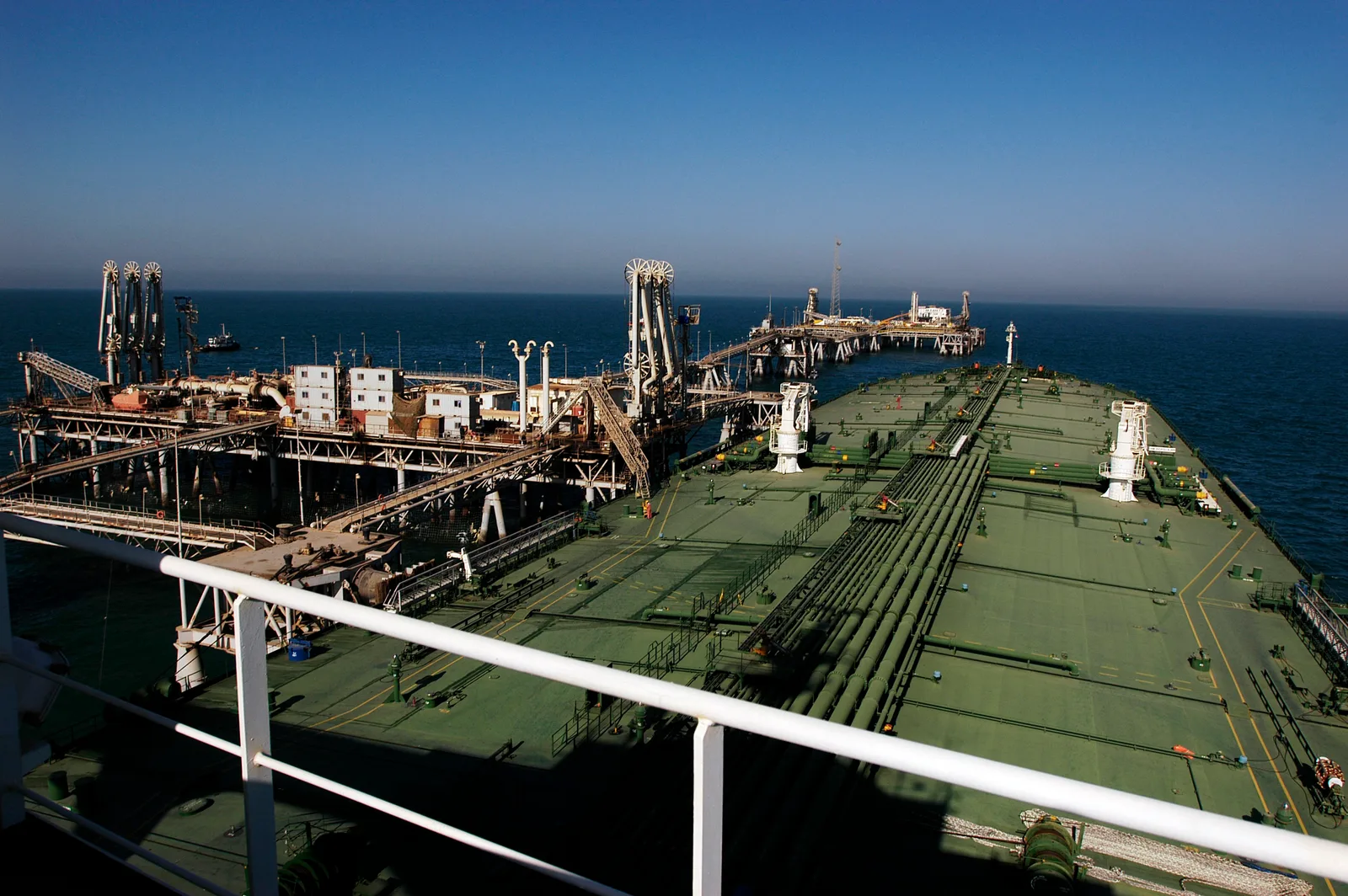
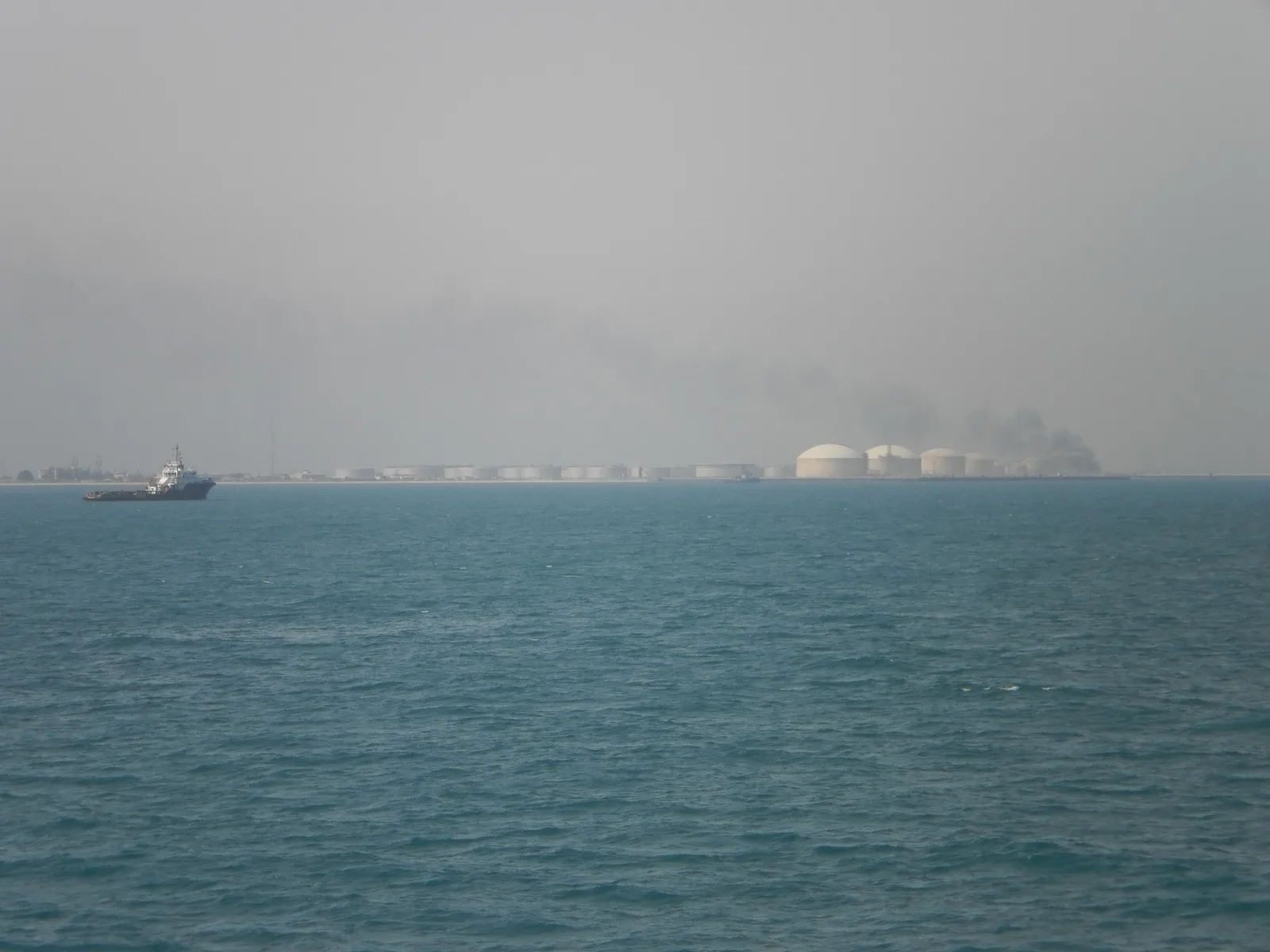
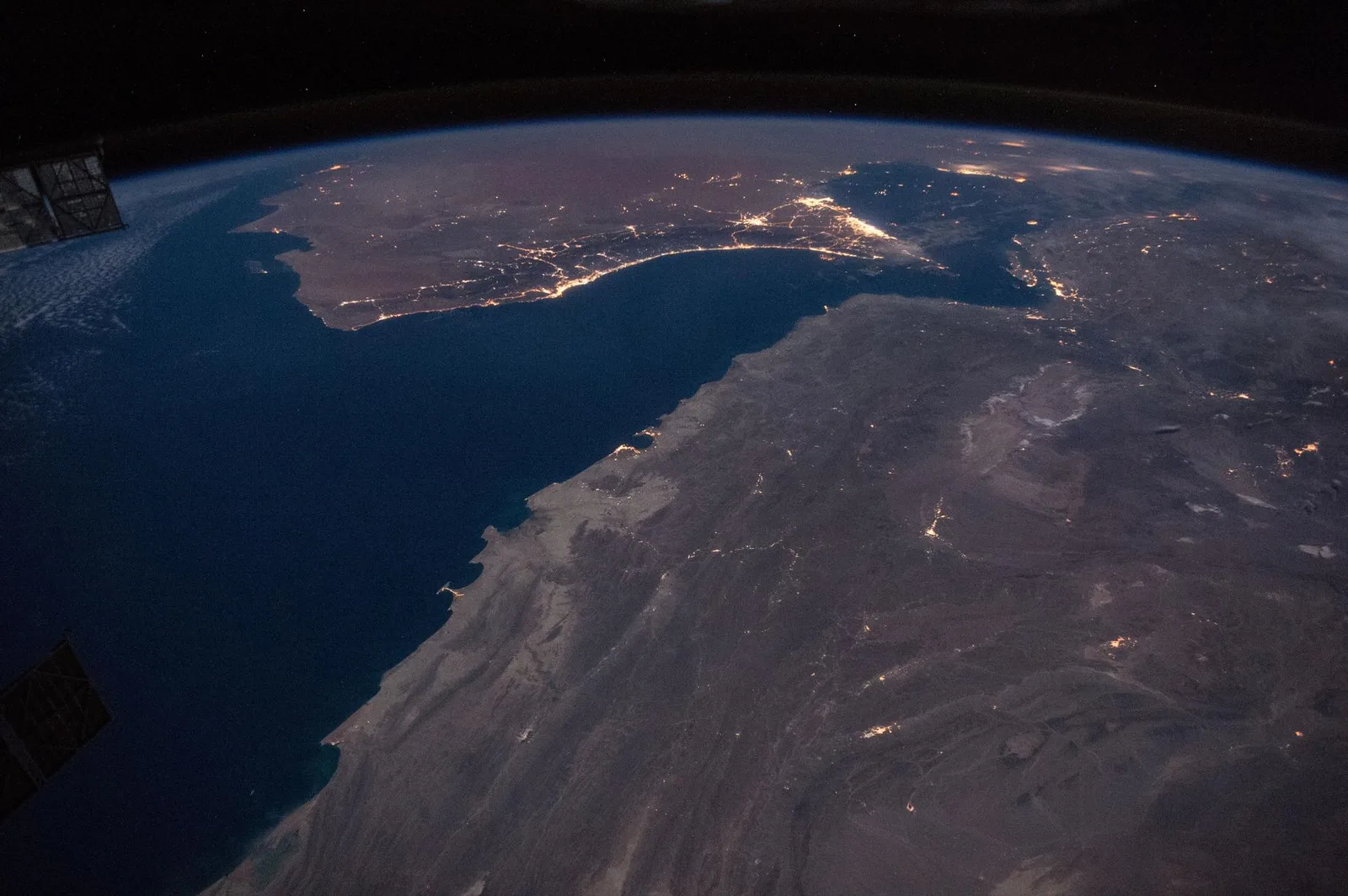
Separately, Iran's military said explosions had hit four oil tankers in the Strait of Hormuz after they ignored warnings. Reuters could not immediately verify the claim. Before the US-Israeli conflict with Iran, the strait carried close to a fifth of the world's crude supply.
Washington added to the uncertainty. President Donald Trump posted that the United States did not need a deal with Iran, writing "Those days have long since passed." The remark gave the market little reason to expect a negotiated end to the conflict soon.
Supply Data Still Points the Other Way
The rally ran against fresh evidence of ample supply. OPEC+ figures showed the group's crude output rose in October, led by higher Saudi production despite the disruption to Middle East shipping. In the United States, the Energy Information Administration reported that stocks of crude, gasoline and distillates all rose in the previous week.
That tension explains the weekly picture. Ample supply had pushed prices down earlier in the week, and Thursday's move restored part of the risk premium rather than reversing the trend.
Other risks also stayed in view. Ukrainian drones struck the port of Ust-Luga on Russia's Baltic coast, starting a fire and damaging part of its fuel storage. On the diplomatic side, talks began at the Kremlin between Vladimir Putin and US negotiators Steve Witkoff and Jared Kushner, and a US envoy said Putin had agreed to include European representatives in the next round of talks on Ukraine.
Timothy Snyder, chief economist at Matador Economics, said the tit-for-tat strikes between Russia and Ukraine and attacks on shipping by Iran's Revolutionary Guards were starting to push prices higher again.
Markets: indices, currencies and commodities
Why the Oil Price Matters for Europe
For European households and companies, Brent near $96 is a direct cost. Crude feeds into petrol and diesel prices within weeks, and into heating oil, freight and airline fares soon after. Because oil is priced in dollars, a stronger dollar makes each barrel more expensive in euro terms, and rising US interest rate expectations have kept the dollar firm.
That makes oil a swing factor for euro-area inflation and for the European Central Bank. The ECB raised its deposit rate twice this year, in June and September, taking it to 2.5 percent. Its next policy meeting is on 16 and 17 December, and a renewed rise in energy costs would make it harder for policymakers to argue that price pressure is fading.
What Traders Watch Next
The next moves depend on whether the Houthi claims are confirmed by damage to Saudi facilities and whether tanker traffic through Hormuz slows. Any sign that the East-West pipeline, which lets Saudi Arabia ship crude without passing through the strait, has been disrupted would carry far more weight than drone interceptions.
On the other side, rising OPEC+ output and building US inventories give the market a cushion. Unless physical supply is actually lost, that cushion is likely to limit how far rallies can run, and both benchmarks were still on course for a weekly loss after Thursday's gain.