Brent crude settled at $116.72 a barrel on Friday 23 October, its highest close in nearly six months, after Houthi strikes on Saudi Arabia and Iranian warnings over the Strait of Hormuz deepened fears of a wider supply shock. The global benchmark gained 6.2 percent over the week.
Oil and gas, week to 23 October
- $116.72 Brent settlement, up 6.2% on the week
- $103.27 WTI settlement, up 1.8% on the week
- $30.60 Dutch TTF gas per mmBtu, up 5.9% on the week
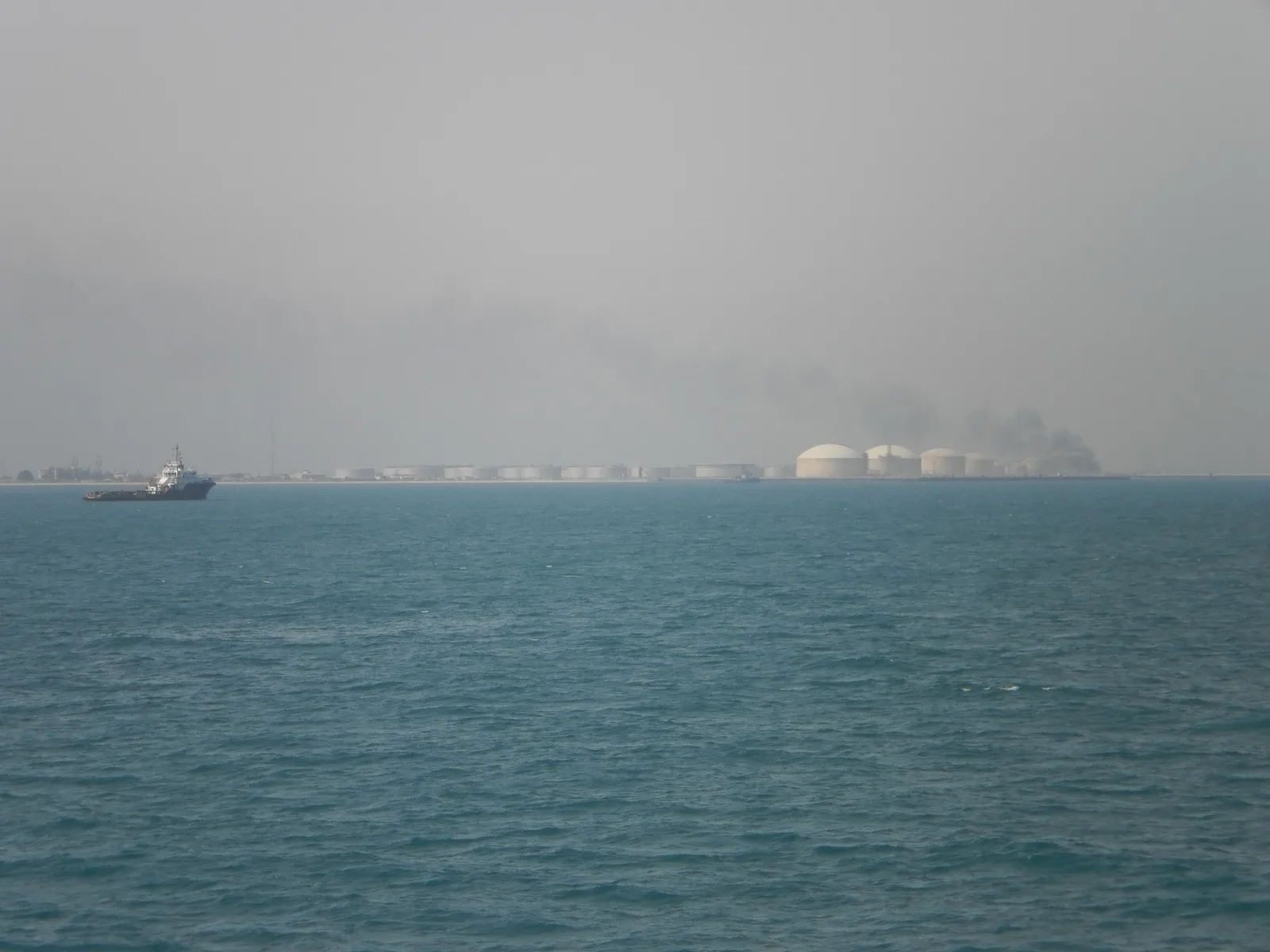
Both benchmarks closed more than $3 higher on the day. Houthi attacks inside Saudi Arabia drove Friday's move, while authorities in the United Arab Emirates reported an oil spill without giving further details. US crude, West Texas Intermediate, settled at $103.27.
The gap between the two benchmarks says something about where the risk sits. Brent prices seaborne crude that has to pass through Gulf waters and the Red Sea, and it rose more than three times as fast as WTI over the week.
Saudi energy sites come under fire
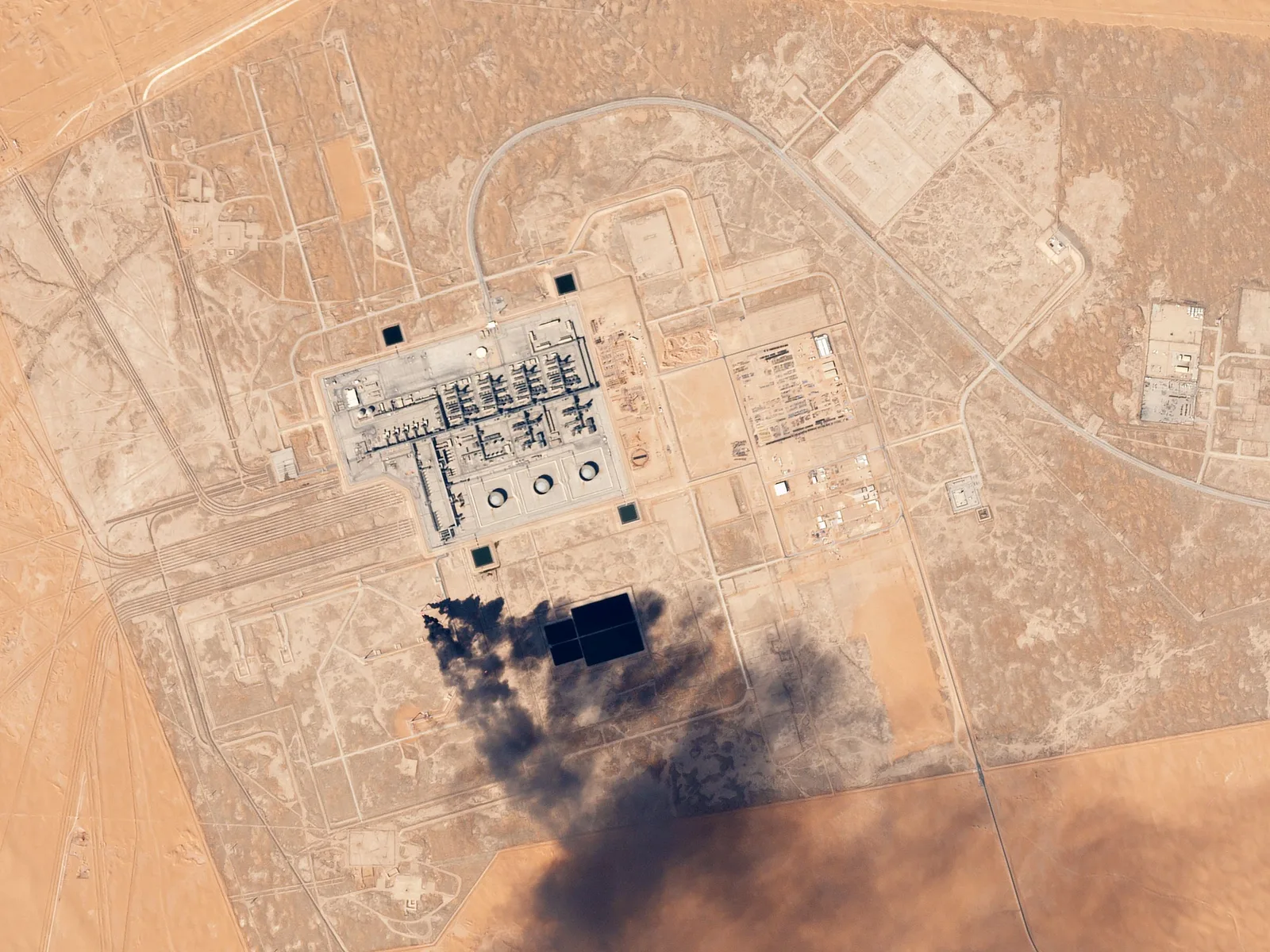
The strikes built through the week. On 19 October the Houthis claimed attacks on a Saudi Aramco site at Yanbu, the Shaybah oilfield and airports in Riyadh and Abha. On 21 October a drone attack on a Saudi oilfield killed two people, and a strike on the civilian airport in Dammam killed at least one person and wounded eight.
Washington ordered some diplomats and their families to leave its missions in Saudi Arabia, and US officials said family members would also be withdrawn from several other American missions in the region. Brent, which had settled almost flat at $108.82 on 21 October, rose again the next morning, trading above $110.
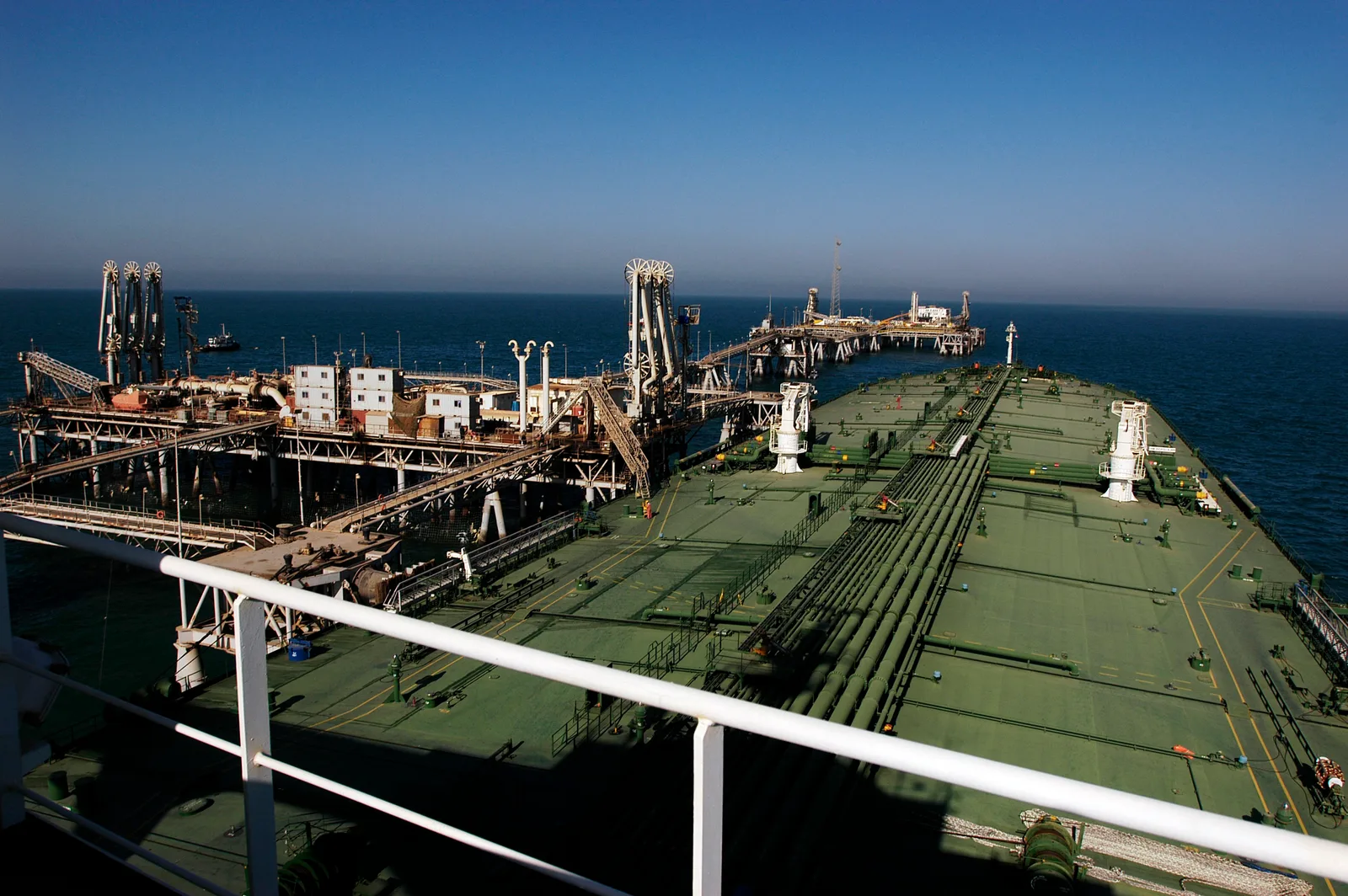
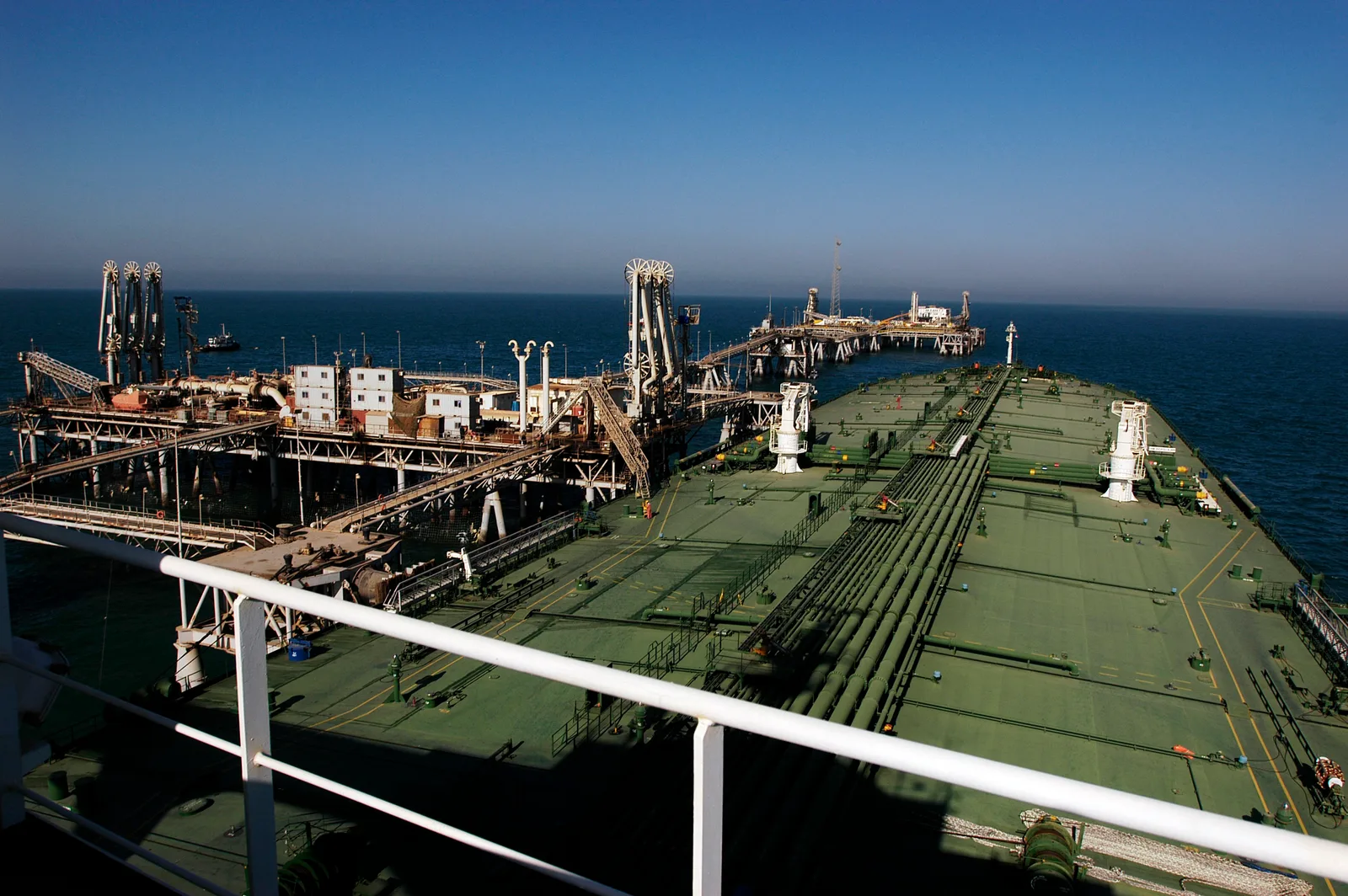
The danger is not limited to land. Ship-tracking firm Kpler recorded at least 18 attacks on shipping in the two weeks to 22 October, a pace that keeps insurance costs and freight rates high for any tanker using the region's sea lanes.
Iran raises the stakes over Hormuz
The week opened with a political shock from Tehran. Brent traded at $109.87 early on Tuesday 20 October, close to a five-month high, after Iran's First Vice President Mohammad Reza Aref said, according to the state news agency IRNA, that Tehran had no alternative but to assert control over the waterway.
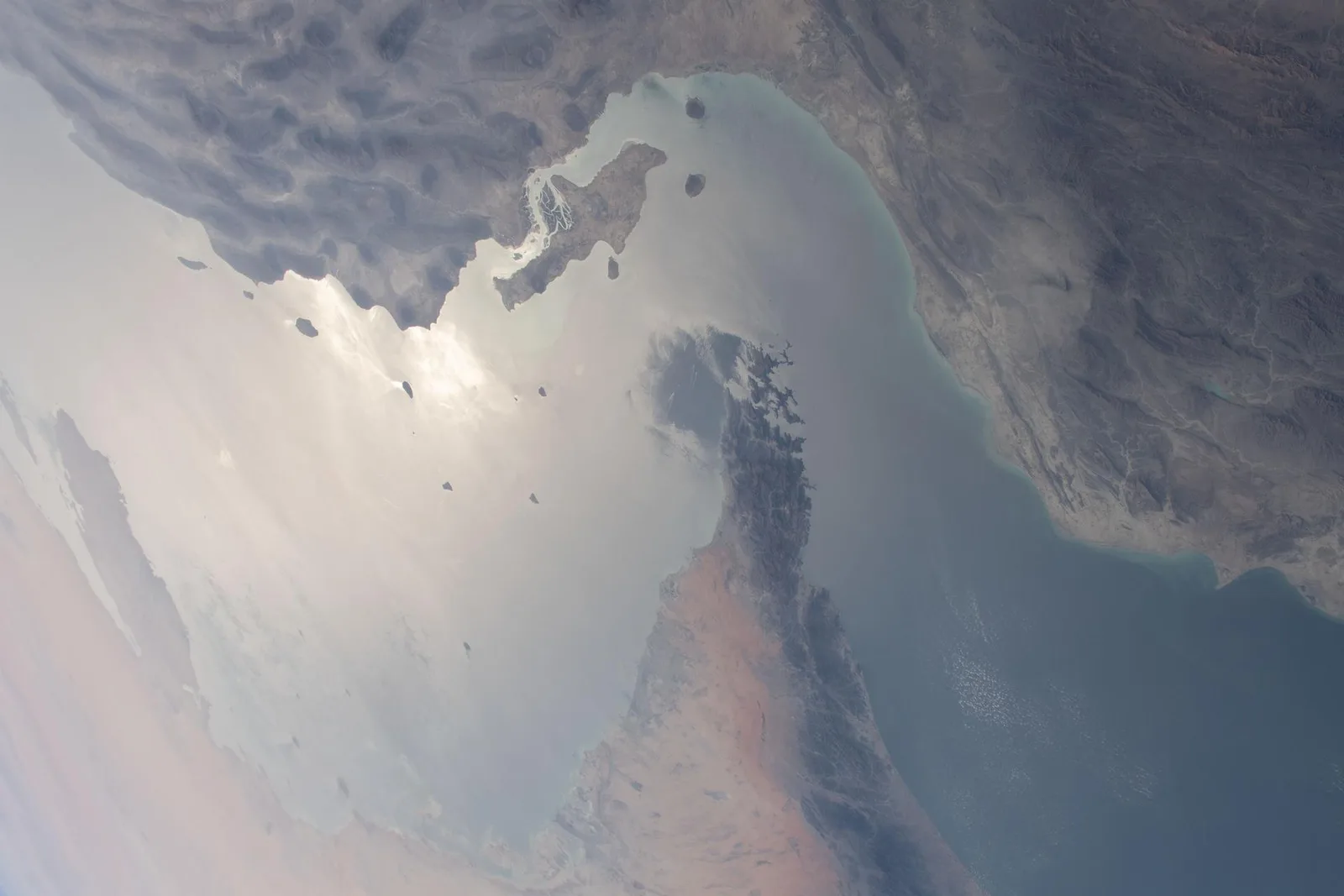
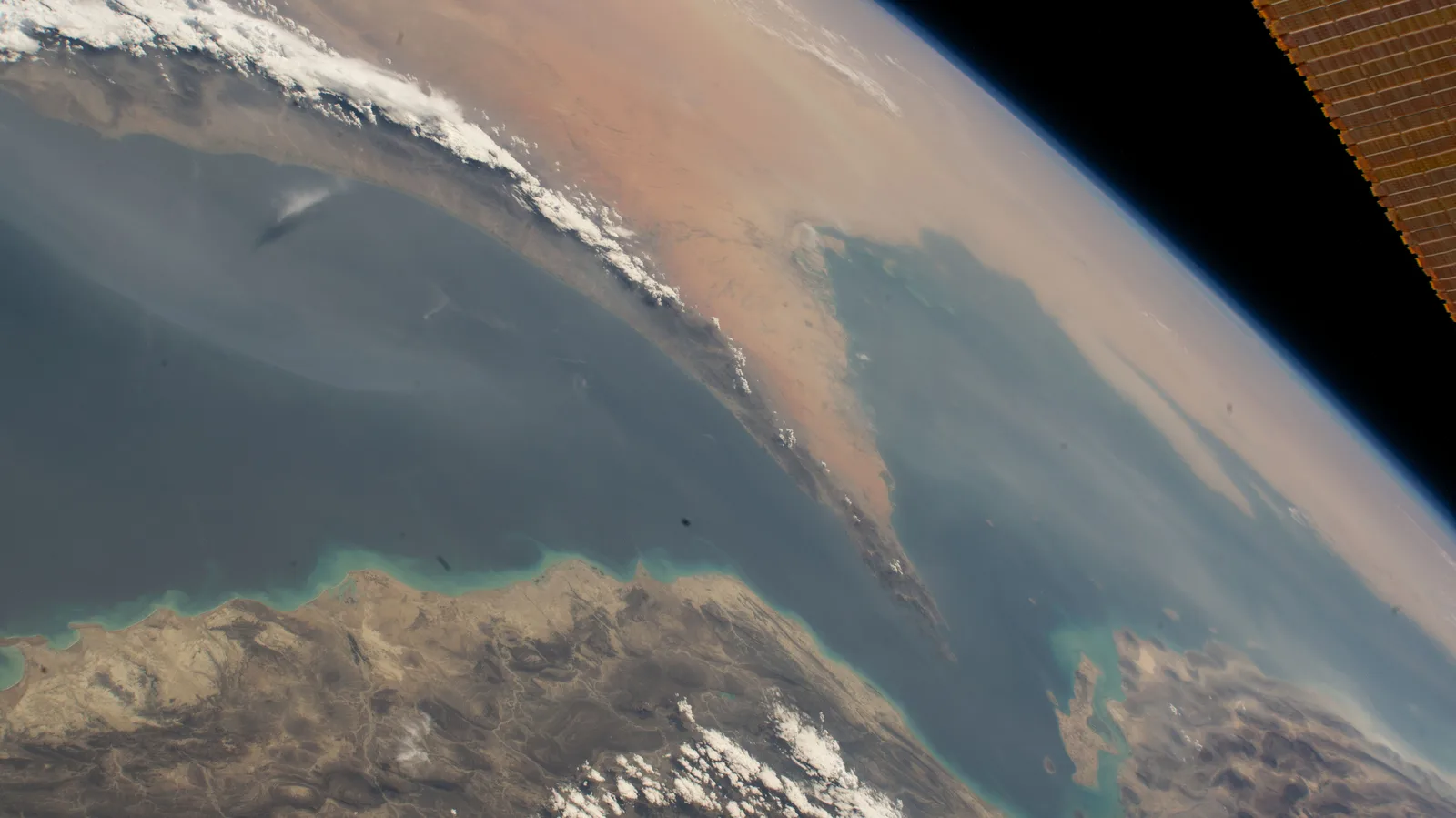
Aref suggested Iran could guarantee safe passage for ships from countries it considers friendly, and blamed Washington for the crisis. The Strait of Hormuz is the main sea exit from the Gulf, so any move to police who may pass goes straight into the risk premium on every barrel loaded there.
The strain is also visible in refined fuels. On 21 October the US Department of Energy offered to lend up to almost a third of its one-million-barrel emergency heating oil reserve to contain prices pushed up by diesel shortages. On Friday it authorised an emergency exchange of up to 400,000 barrels from the Strategic Petroleum Reserve to cover a supply disruption at Phillips 66's Lake Charles refinery in Louisiana.
Inventories are tightening too. The US Energy Information Administration reported that crude stocks fell by 3.06 million barrels to 412.5 million in the week to 16 October, far more than the 820,000-barrel draw analysts had expected.
Markets: indices, currencies and commodities
Europe's gas bill climbs with crude
European gas followed oil higher. The Dutch TTF benchmark settled at $30.60 per mmBtu, up 5.9 percent on the week, lifted by the Middle East news and by outages on Norwegian pipelines.
Asian demand is firm as well. Spot LNG for December delivery into north-east Asia rose for a third straight week to $30.50 per mmBtu from $29.30, a multi-year high, as buyers responded to colder weather forecasts. Ample gas inventories should limit the near-term contest for cargoes, but that cushion shrinks as stocks are drawn down through the winter.
Inflation pressure lands on the central banks
Brent was already up nearly 80 percent this year by 20 October, after months of Middle East hostilities and the continuing war in Ukraine. Fuel and heating feed straight into headline inflation, and higher transport costs reach food and goods prices within months.
That timing is awkward for policymakers. The Federal Reserve, which raised its target range by a quarter point to 3.75 to 4 percent in September, announces its next decision on 28 October, and the European Central Bank decides on 29 October. A sustained move above $110 makes it harder for either to sound relaxed about inflation.
The next signals for traders are clear: whether Houthi attacks reach Saudi export terminals, whether the count of strikes on shipping keeps climbing, and whether Tehran turns its words on Hormuz into action at sea.
Sources
- Qatar Tribune: Oil prices jump $3 on Houthi attacks, oil spill
- Nation Thailand: Brent rises to US$110.11 a barrel on October 22 as US orders some diplomats out of Saudi Arabia
- Free Press Journal: Brent near five-month high at $110 after Iran signals tighter control on Hormuz
- Federal Reserve: Federal Reserve issues FOMC statement, 16 September 2026