Brent crude rose 2.2 percent to $108.03 a barrel by the European close on Tuesday, its highest settlement since 19 May, after officials said Saudi Arabia's East-West pipeline would be largely out of action for weeks. European shares slid to a three-month low as oil prices and bond yields climbed together.
From a quick fix to weeks of repairs
The East-West Pipeline was shut after an attack last Thursday, and Saudi Arabia has blamed drones launched by Iran-backed militias in Iraq. Repairs, including work at a major pumping facility, could take three to five weeks, two regional officials told the Associated Press. The line may run partly during the work, but the officials could not say how much crude would get through.
That is a sharp change in tone from last Friday, when traders broadly treated the damage as contained and Brent settled 3.8 percent lower at $103.51. On Monday Brent reached $109 during the session as the scale of the outage became clearer, and on Tuesday it extended its gains.
Rystad Energy described the jump in Brent as a clear signal that the market is pricing in a significant loss of supply. It said a month-long closure would be a large disruption, though one the market could initially manage.
Why this pipeline matters
- It carries crude about 1,200 kilometres from the Gulf coast to Yanbu on the Red Sea, the kingdom's main export route that avoids the Strait of Hormuz
- Flows averaged 2.6 million to 4 million barrels a day since late August, according to Rystad Energy
- Repairs could take three to five weeks, with only partial flows possible in the meantime
- Saudi output had already fallen to 6 million barrels a day in August, from nearly 10 million in September last year, according to the International Energy Agency
Markets: indices, currencies and commodities
Saudi Arabia's export lifeline
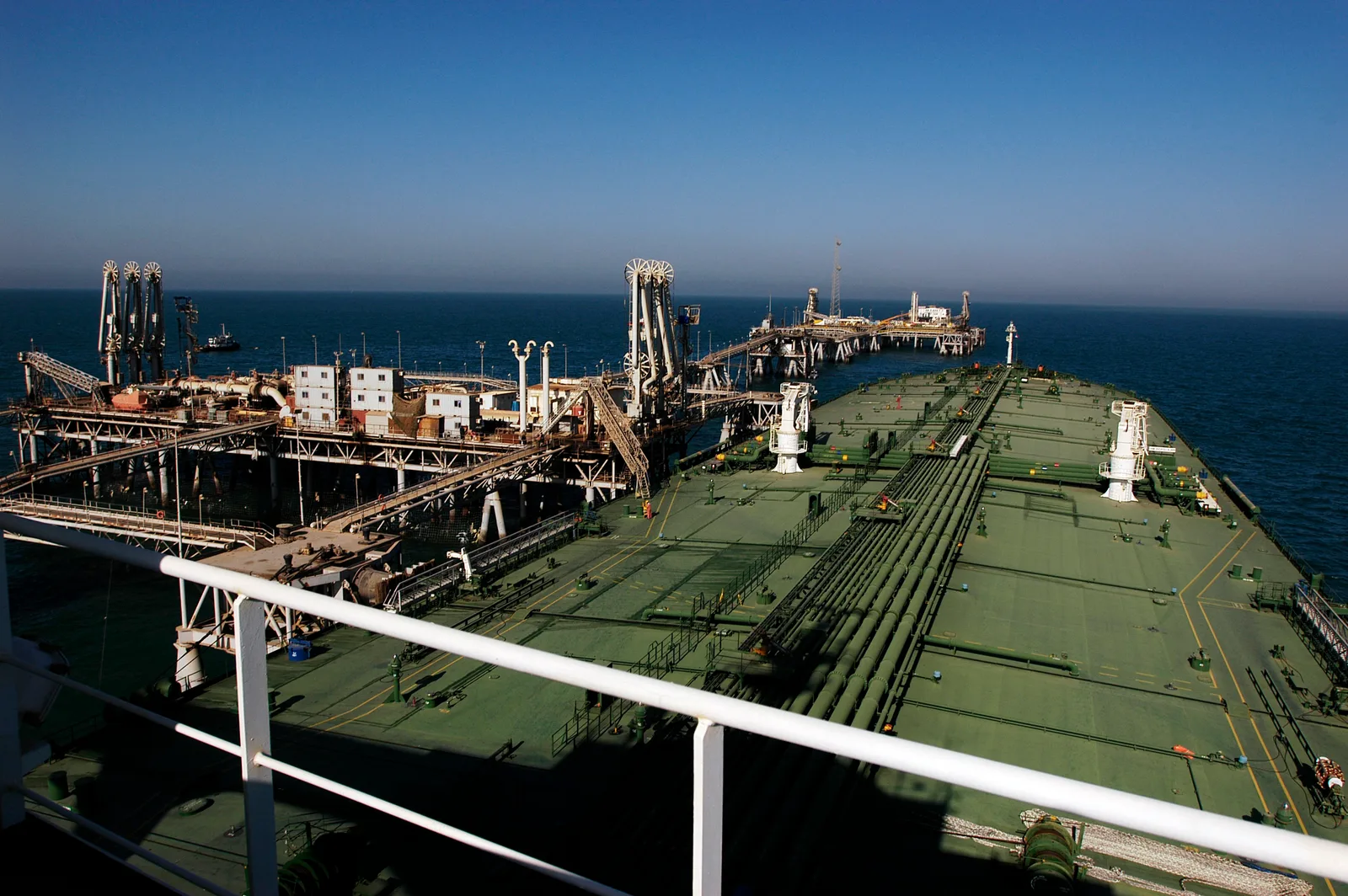
With traffic through the Strait of Hormuz disrupted since the conflict with Iran began, the pipeline has become Saudi Arabia's lifeline to world markets. Tankers load at Yanbu and sail either north towards the Suez Canal or south through the Bab el-Mandeb Strait.
A complete stop would remove the whole of that 2.6 million to 4 million barrel daily flow from the market, Rystad said. Partial operation would soften the blow, but neither the officials nor the analysts were able to put a figure on how much crude will move while the work goes on.
The Red Sea route is under pressure too
The southern exit from the Red Sea is also looking less secure. Houthi rebels have captured Greater and Lesser Hanish islands, about 160 kilometres north of the Bab el-Mandeb Strait, AP reported. Last week they seized the port city of Mokha and Mayun island, which sits in the strait itself.
The Houthis have also hit Saudi territory: officials said 13 civilians were injured in attacks on Khamis Mushait. For oil buyers, the concern is that the same conflict now touches both ends of the Saudi system at once, the Gulf terminals that depend on Hormuz and the Red Sea route meant to replace them.
Stocks and bonds feel the squeeze
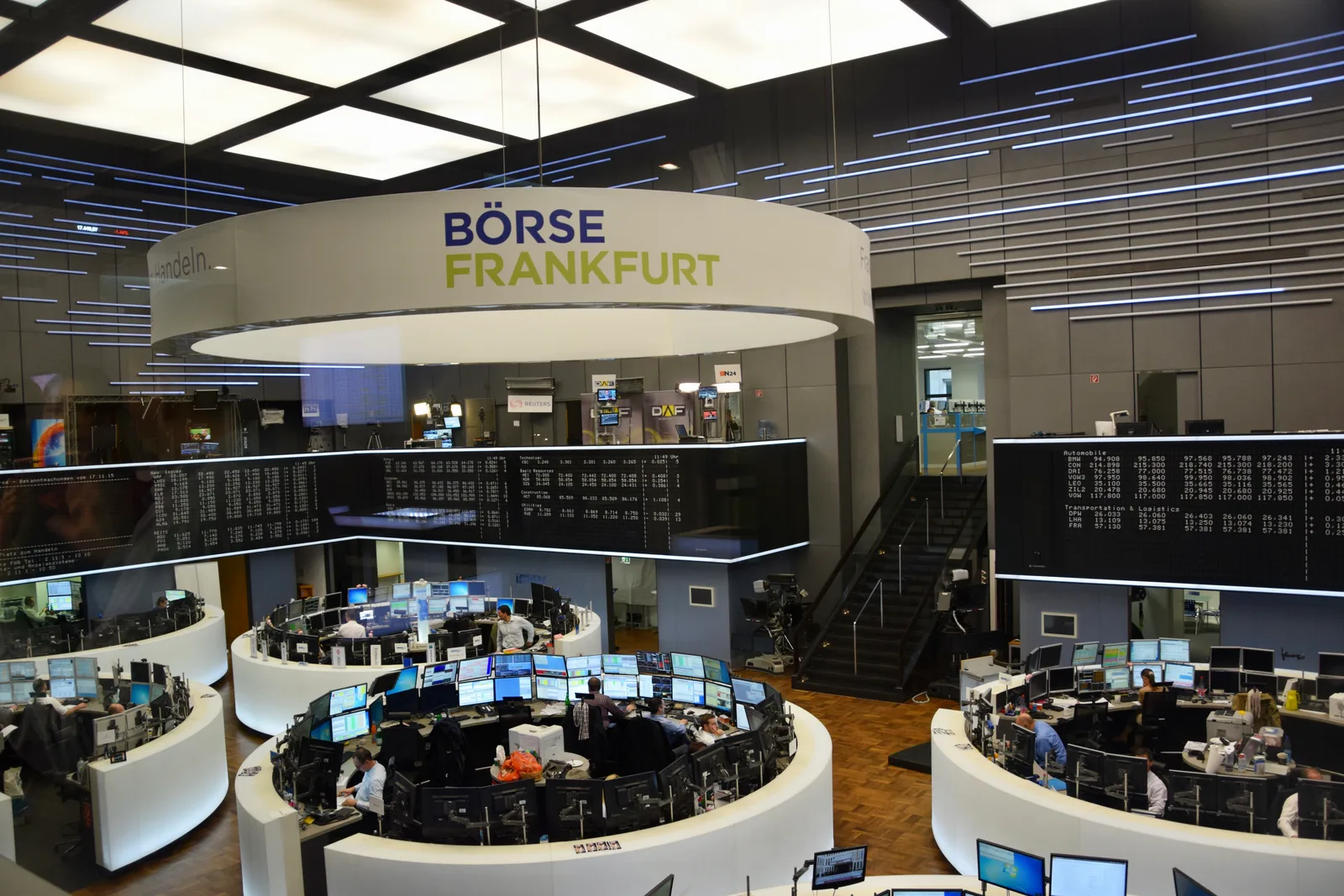
Higher oil prices fed straight into equity and bond markets. The Stoxx 600 closed 0.4 percent lower at 633.77, its fourth loss in five sessions and its lowest close since 12 June, Sharecast News reported.
Consumer and luxury names were out of favour as fuel costs rose, among them Zalando, Adidas, Hermès, LVMH and EssilorLuxottica. Financials were also weak: Temenos, Plus500, CVC Capital Partners, UBS and London Stock Exchange Group were among the ten biggest fallers on the index.
Bond markets added to the pressure. The yield on the 10-year US Treasury rose above 5 percent for the first time since a brief spell in October 2023, and Japan's 10-year yield rose 4.9 basis points to 3.042 percent, its highest since 1996. Rising energy costs feed inflation expectations, and investors are demanding more to hold long-dated debt.
Data from Germany offered little comfort. The ZEW measure of economic expectations edged up to 34.7 from 34.2 in August, short of the 40.0 economists had expected, while the gauge of current conditions improved to minus 47.1 from minus 61.1.
What comes next
The week's central bank meetings now take place against an oil price close to its highest in four months. A quarter-point rate rise from the Federal Reserve on Wednesday was widely seen as near-certain, and the Bank of England decides on Thursday.
For the oil market, the near-term questions are practical ones: how much crude the damaged pipeline can carry during repairs, whether the Houthi advance reaches shipping in Bab el-Mandeb, and whether Gulf diplomacy on a temporary Hormuz shipping framework produces anything concrete. Brent remains below its April wartime peak of just above $126, but each new outage narrows that gap.