Brent crude finished the week above $100 a barrel after Saudi Arabia shut its main crude pipeline to the Red Sea and Houthi forces pushed towards the Bab el-Mandeb Strait. Prices fell on Friday on reports of a possible temporary shipping deal with Iran, but the global benchmark still logged its biggest weekly gain since July.
A Thursday spike, then a partial retreat
Brent closed at $107.63 a barrel on Thursday and US West Texas Intermediate at $102.48, the highest closing levels for both contracts since May. Both benchmarks jumped more than 6 percent in that session alone, according to Offshore Technology.
Friday took some of that back. Brent settled 3.8 percent lower at $103.51 and WTI fell 3.5 percent to $98.85, Bloomberg reported, leaving the US grade just under the $100 line it had cleared a day earlier. For Brent, it was the first weekly close above $100 since mid-May.
Even after the Friday drop, Brent is up more than 70 percent since the start of the year. It remains well below its wartime peak of just over $126 a barrel, set in April.
Oil at the end of the week
- $103.51 Brent settlement on Friday, down 3.8%
- $107.63 Brent close on Thursday, the highest since May
- 70%+ Brent's rise so far in 2026
Markets: indices, currencies and commodities

Saudi Arabia closes its route around Hormuz
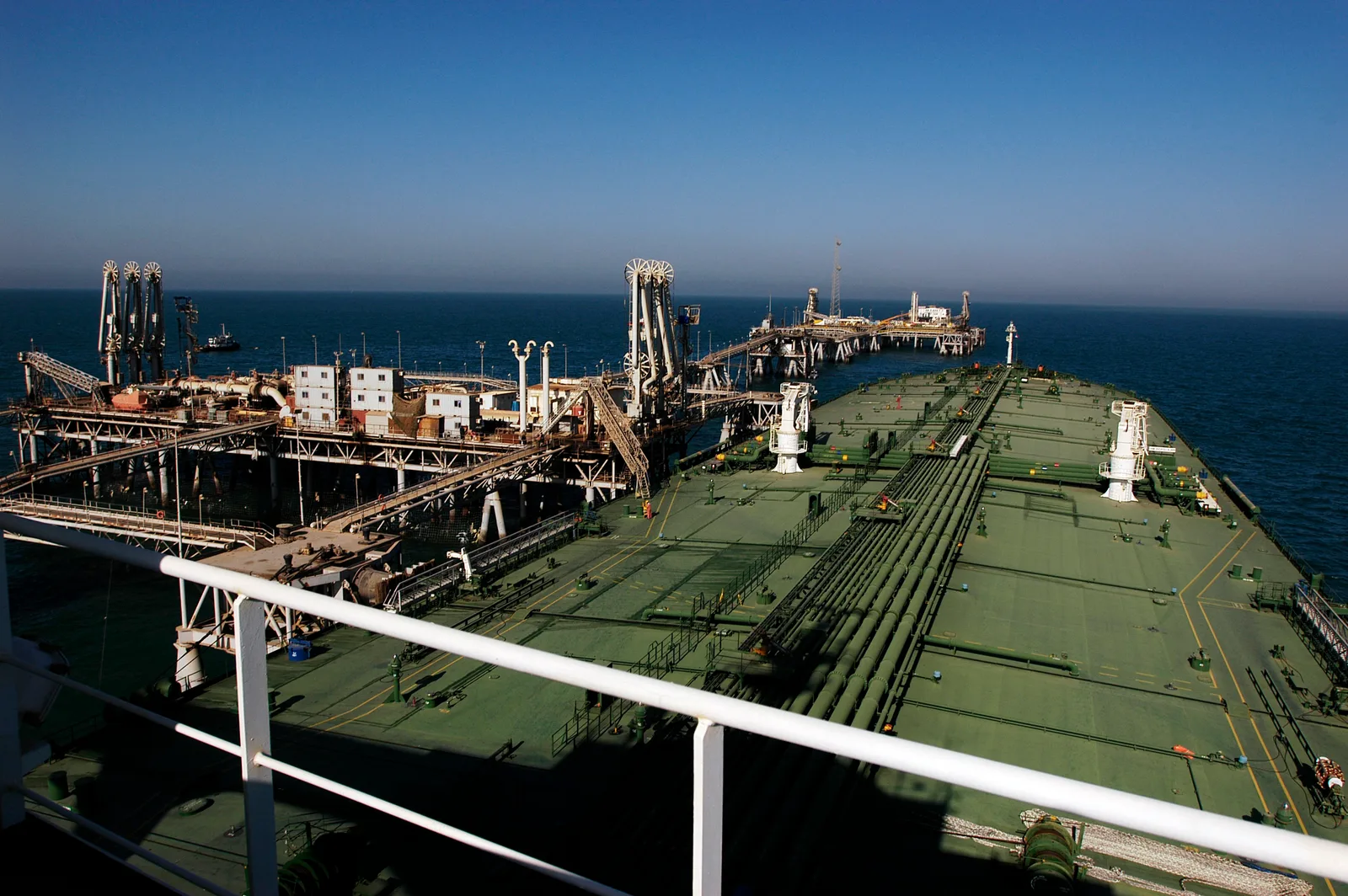
The biggest worry of the week was Saudi Arabia's East-West crude pipeline, which the kingdom shut as a precaution. The line carries crude across the country from the Gulf to the Red Sea coast, giving Riyadh a way to export that avoids the Strait of Hormuz. With Hormuz traffic still constrained, that bypass has become one of the most important pieces of oil infrastructure in the world.
Iran-backed Houthi forces have launched missile and drone attacks on Saudi energy sites, and they are advancing towards coastal areas that border the Bab el-Mandeb Strait, the narrow southern entrance to the Red Sea. On Thursday the Houthis took control of the Yemeni port of Mocha, Offshore Technology reported.
That combination is what unsettled traders. Saudi exports already face disruption in the Gulf; a threat to the Red Sea corridor puts pressure on the alternative at the same time. Saudi oil production fell again in August, to its lowest level since 1990, according to Bloomberg.
By Friday, the mood on the pipeline itself had calmed. Most traders saw the damage as contained for now and likely to be repaired quickly, Dennis Kissler of BOK Financial Securities told Bloomberg.
Hormuz traffic stays thin
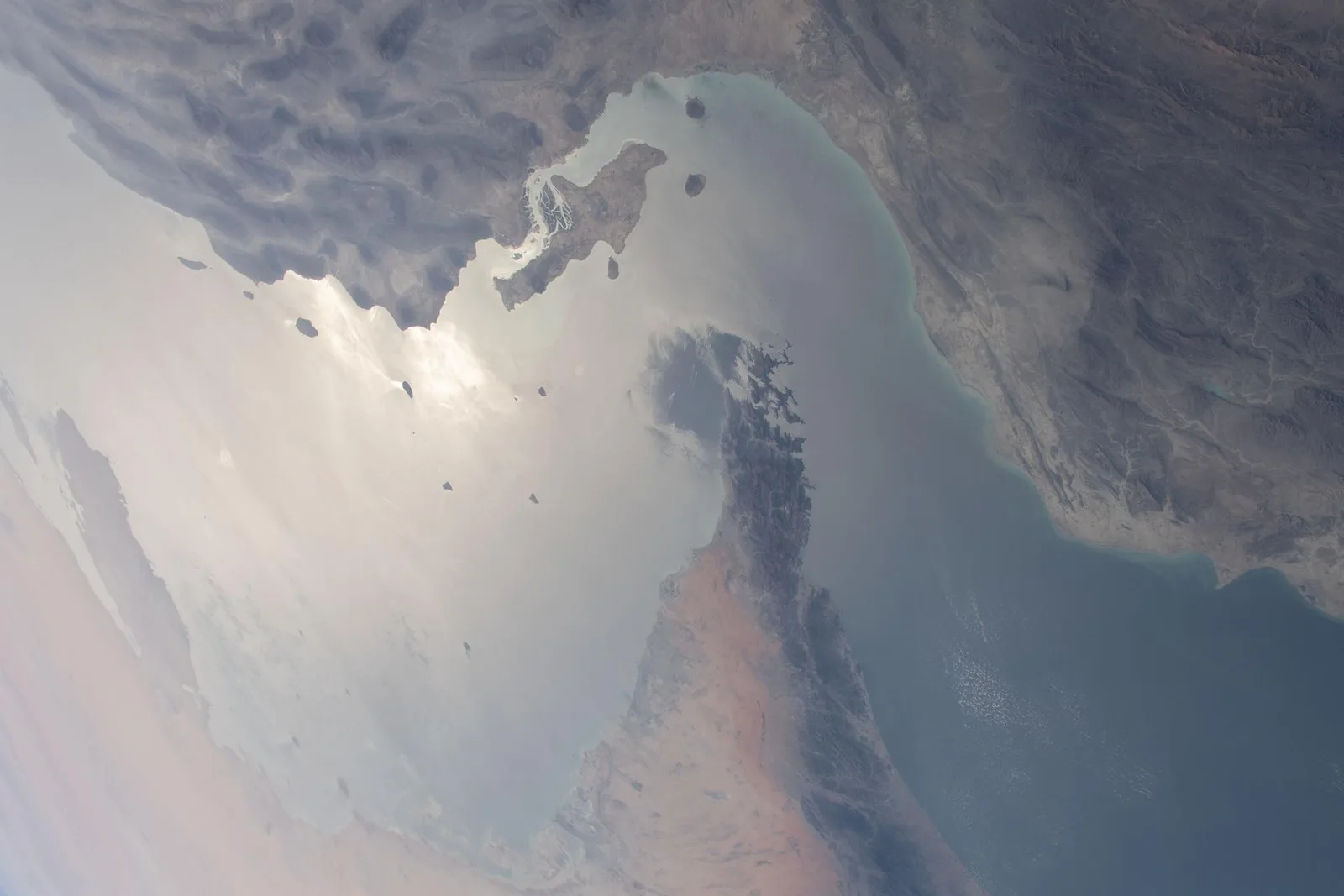
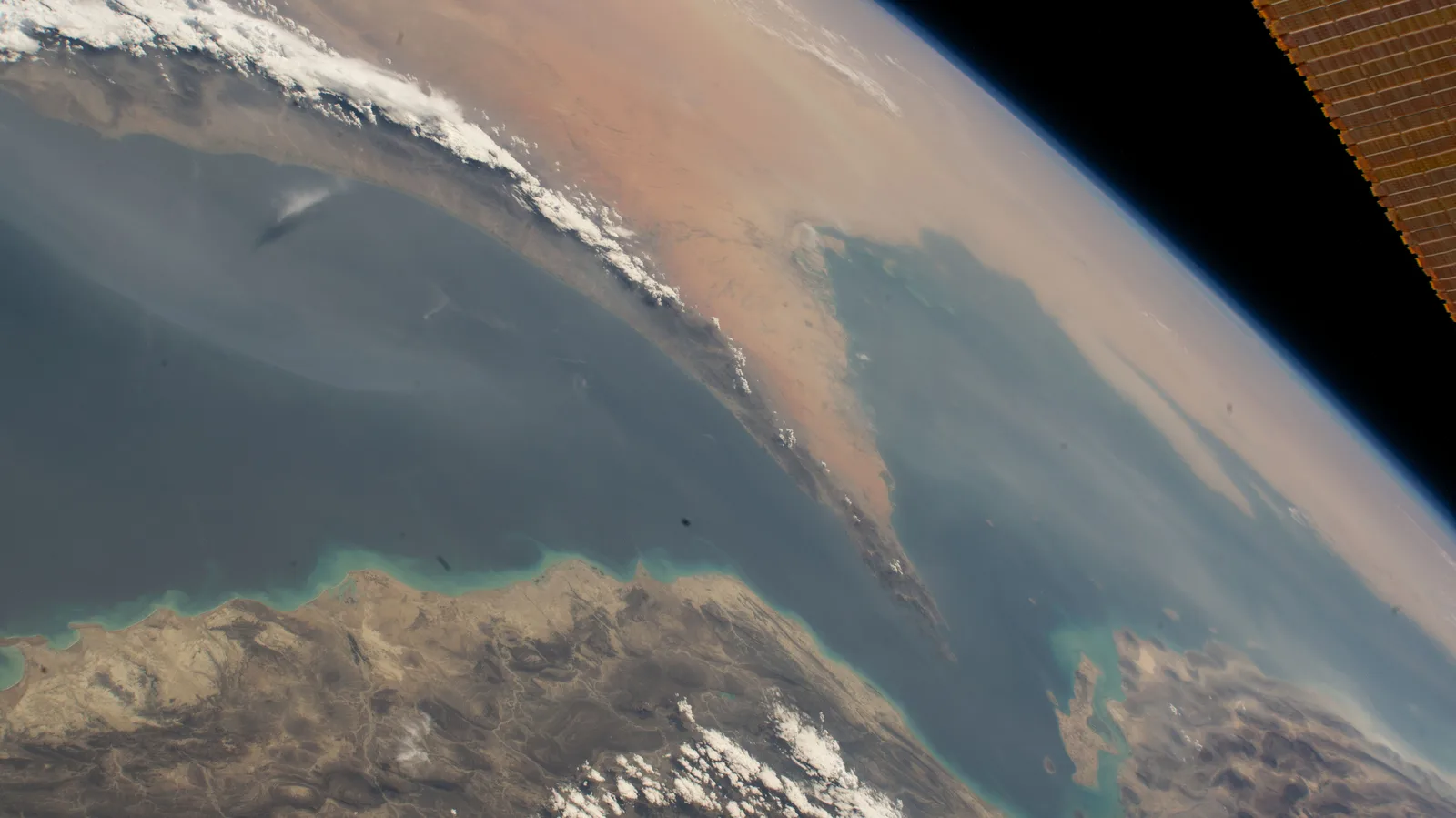
Shipping through the Strait of Hormuz remains well below normal. Vessel transits fell to seven on Thursday from 11 the day before, against a ten-day average of 15, according to Offshore Technology. Before the conflict with Iran began in late February, the strait handled about a fifth of the world's daily oil and liquefied natural gas shipments.
The waterway also turned more dangerous during the week. Iran reportedly attacked ten ships near the strait on Wednesday, after the US targeted five Iranian oil tankers, and Iran's Islamic Revolutionary Guard Corps said it would escalate its response. On Thursday the UK Maritime Trade Operations centre received a report that two vessels were struck by unidentified projectiles west of Khasab in Oman. Some crude still moves through, often on tankers sailing with their transponders switched off.
Diplomacy takes the edge off Friday's price
Friday's fall followed a Financial Times report, cited by Reuters, that Middle Eastern foreign ministers were pursuing a short-term deal with Iran to let ships pass through Hormuz. Foreign ministers of the six-member Gulf Cooperation Council are expected to meet their Iranian counterpart on Monday, and Oman and Iran are seeking support for a temporary framework to manage shipping through the strait.
The size of Friday's move shows how much of today's price reflects the risk of further disruption rather than barrels already lost. Any sign that a shipping arrangement is close could pull prices lower quickly; a further attack on Saudi infrastructure could reverse that just as fast.
Demand is a counterweight. The International Energy Agency expects global oil demand to post its largest annual decline since the Covid-19 pandemic and has warned that normal Middle East oil flows may not return until 2027. OPEC cut its forecast for 2026 demand growth to 380,000 barrels a day, its fifth downgrade in a row, though unlike the IEA it still expects consumption to grow this year.
Why Europe is exposed
US diesel prices climbed to a record during the week, a sign of how quickly crude moves into fuel costs. Europe imports most of the oil it uses, so a sustained Brent price above $100 tends to reach petrol, diesel and heating oil prices within weeks and to keep headline inflation elevated.
That leaves the next few days with three clear tests for the market: Monday's Gulf meeting with Iran, any update on the condition of the East-West pipeline, and whether Hormuz transits recover from Thursday's low. The Federal Reserve's rate decision next Wednesday adds a fourth, with central banks weighing how far energy costs will spill into wider prices.