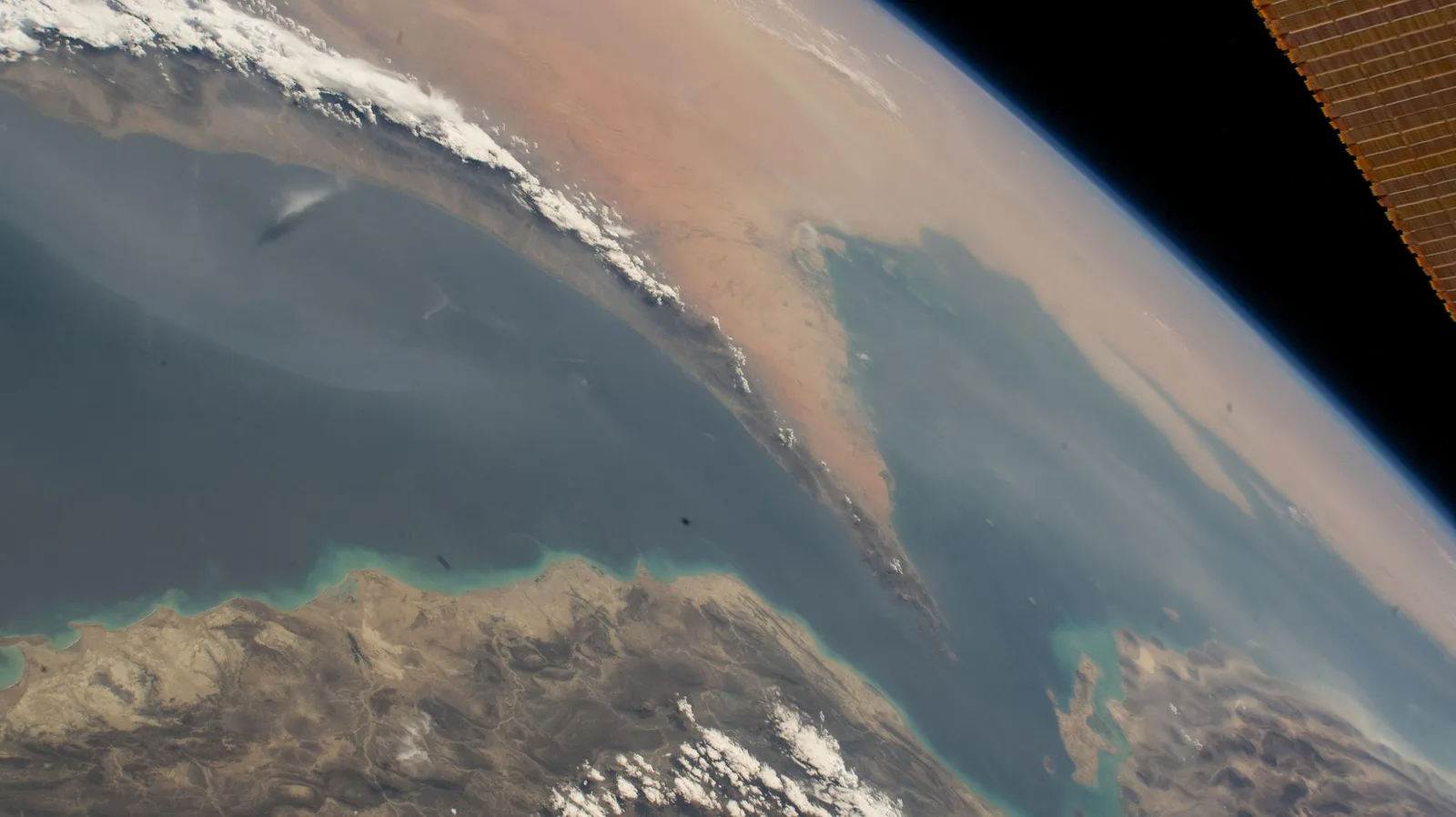
Brent crude settled at $109.86 a barrel on Friday, its highest close since 19 May, after attacks in the Strait of Hormuz intensified and a Ukrainian drone strike knocked out a crude unit at Russia's Ryazan refinery. Coordinated releases of emergency stocks did little to cool the market.
The global benchmark rose $3.94, or 3.7 percent, on 16 October and traded at $110 during the session for the first time since May. US West Texas Intermediate closed $3.44 higher at $101.41, up 3.5 percent and its highest finish since 17 September.
Both contracts ended the week sharply higher. Brent gained 4.9 percent over five sessions, while WTI rose 10.4 percent. On Thursday WTI had already climbed more than 3 percent on a steep fall in US crude inventories linked to hurricane-related production shutdowns.
What moved oil this week
- Attacks around the Strait of Hormuz intensified over the ten days to 16 October, and Kpler said Iranian attacks had driven Gulf crude flows sharply lower.
- A drone strike on 15 October stopped a primary crude distillation unit at Russia's Ryazan refinery, two industry sources told Reuters.
- A missile aimed at Yanbu, Saudi Arabia's Red Sea export port, was intercepted, with no damage reported.
- The IEA agreed to speed up emergency stock releases, and the US offered up to 17 million barrels from its Strategic Petroleum Reserve.
Hormuz Flows Fall as Iran Escalates
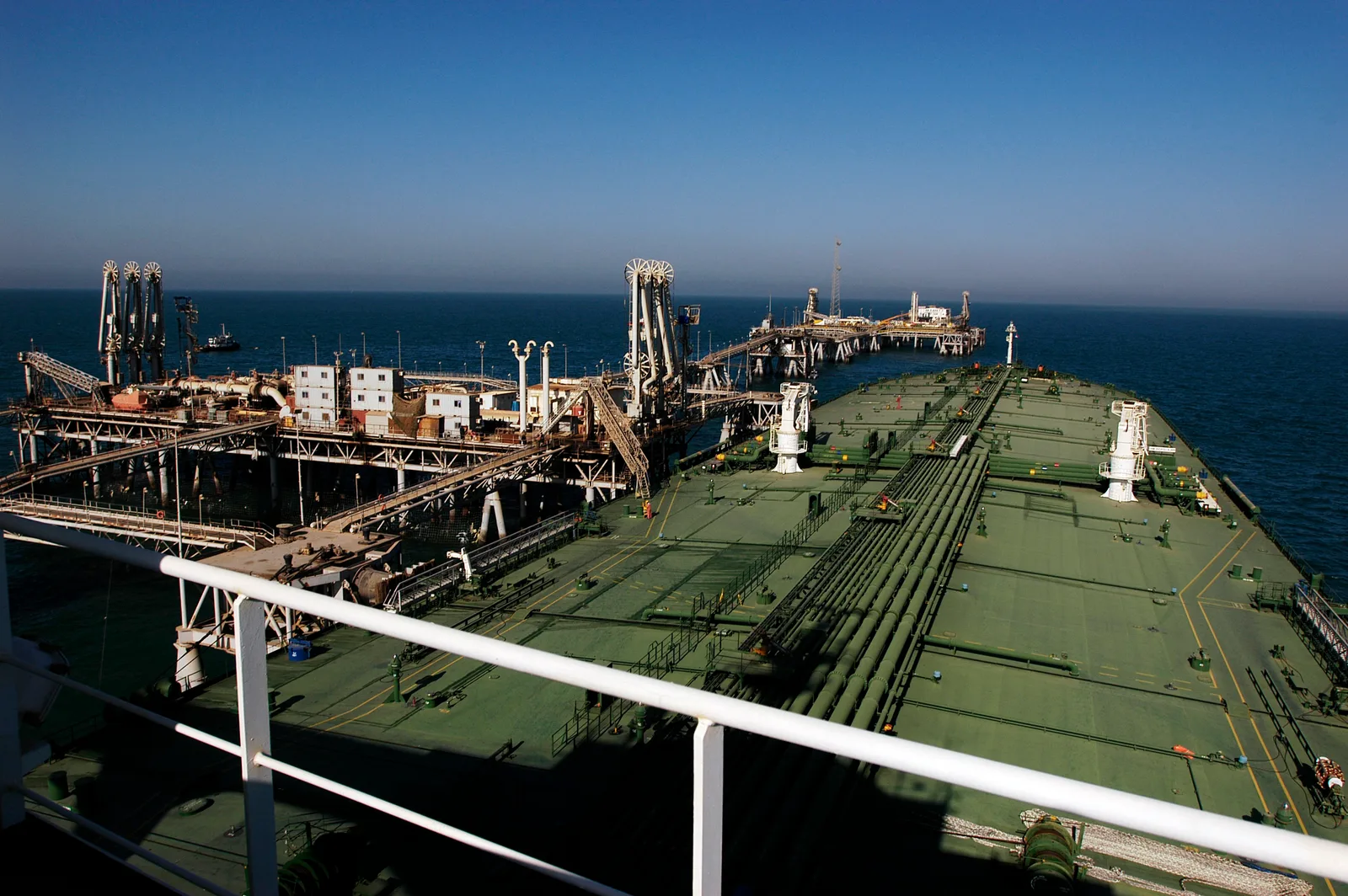
The main driver remains the Gulf. Iran said it was stepping up strikes in response to the US blockade of its ports and the tighter sanctions Washington introduced in September. The Strait of Hormuz, between Iran and Oman, is the exit route for most crude shipped from the Gulf producers.
Data firm Kpler said on 15 October that the intensified attacks had driven Gulf crude flows sharply lower. Without a broad political settlement, it expects any recovery in flows to be slower and more uneven.
The threat also reached the main bypass route. A Saudi-led coalition said it intercepted and destroyed a ballistic missile launched towards Yanbu, the Red Sea port that lets Saudi oil reach world markets without passing through Hormuz. Initial reports showed no damage to the city's infrastructure, according to Rapidan Energy Group.
Consultancy Energy Aspects pointed to unverified Israeli reports that Iran might be preparing a pre-emptive strike, and said both benchmarks had reversed earlier losses as fears of escalation resurfaced.
Ryazan Strike Revives Diesel Worries
The second shock came from Russia. Two industry sources told Reuters that a primary crude distillation unit at the Ryazan refinery stopped working after a drone attack in the area on 15 October.
Ukraine resumed strikes on Russian energy sites after President Volodymyr Zelenskiy said Kyiv was abandoning a ceasefire on energy targets that US President Donald Trump had announced.
Refinery outages in Russia hit diesel more than crude, because Russia is a large exporter of refined fuel. The European Union has banned imports of Russian oil products since 2023, but lost Russian output still tightens the global diesel market that European buyers draw on.
"Conflict in the Middle East still keeps coming back," said Dennis Kissler, senior vice president of trading at BOK Financial, adding that doubts over how much diesel Russia can deliver were keeping traders buying.
Markets: indices, currencies and commodities
Emergency Stocks Fail to Cap Prices
Governments are trying to add supply. The International Energy Agency agreed on 15 October to accelerate releases from members' emergency stocks, including more than 20 million barrels of diesel.
A day later, the US Department of Energy issued a request for proposals for an exchange of up to 17 million barrels from the Strategic Petroleum Reserve. Washington had already committed to lend 172 million barrels from the reserve as part of an IEA agreement among about 30 countries to release 400 million barrels worldwide.
So far, the market has looked past those barrels. Stock releases add supply for a limited period, while the risk to Gulf shipping and Russian refining is open-ended.
Why $110 Oil Matters in Europe
For European households and companies, higher crude feeds through quickly into diesel, heating oil and transport costs. Eurostat confirmed on Friday that euro-area inflation rose to 3.8 percent in September from 3.2 percent in August, the highest since September 2023, with energy prices up 18.9 percent on a year earlier.
That leaves the European Central Bank, which has already raised its deposit rate twice this year to 2.50 percent, facing another month of energy-driven price pressure. Each further leg up in oil makes it harder for inflation to return towards the bank's 2 percent target.
The next tests for the market are whether Gulf shipping can recover, how quickly Ryazan comes back on line and whether the stock releases reach buyers before the northern hemisphere winter lifts heating demand.