The European Union and China agreed on Friday to rein in Chinese exports of hybrid and plug-in hybrid cars to Europe, the segment that escaped the bloc's 2024 tariffs on electric vehicles. Beijing also agreed to make it easier for European buyers to obtain rare earths and permanent magnets.
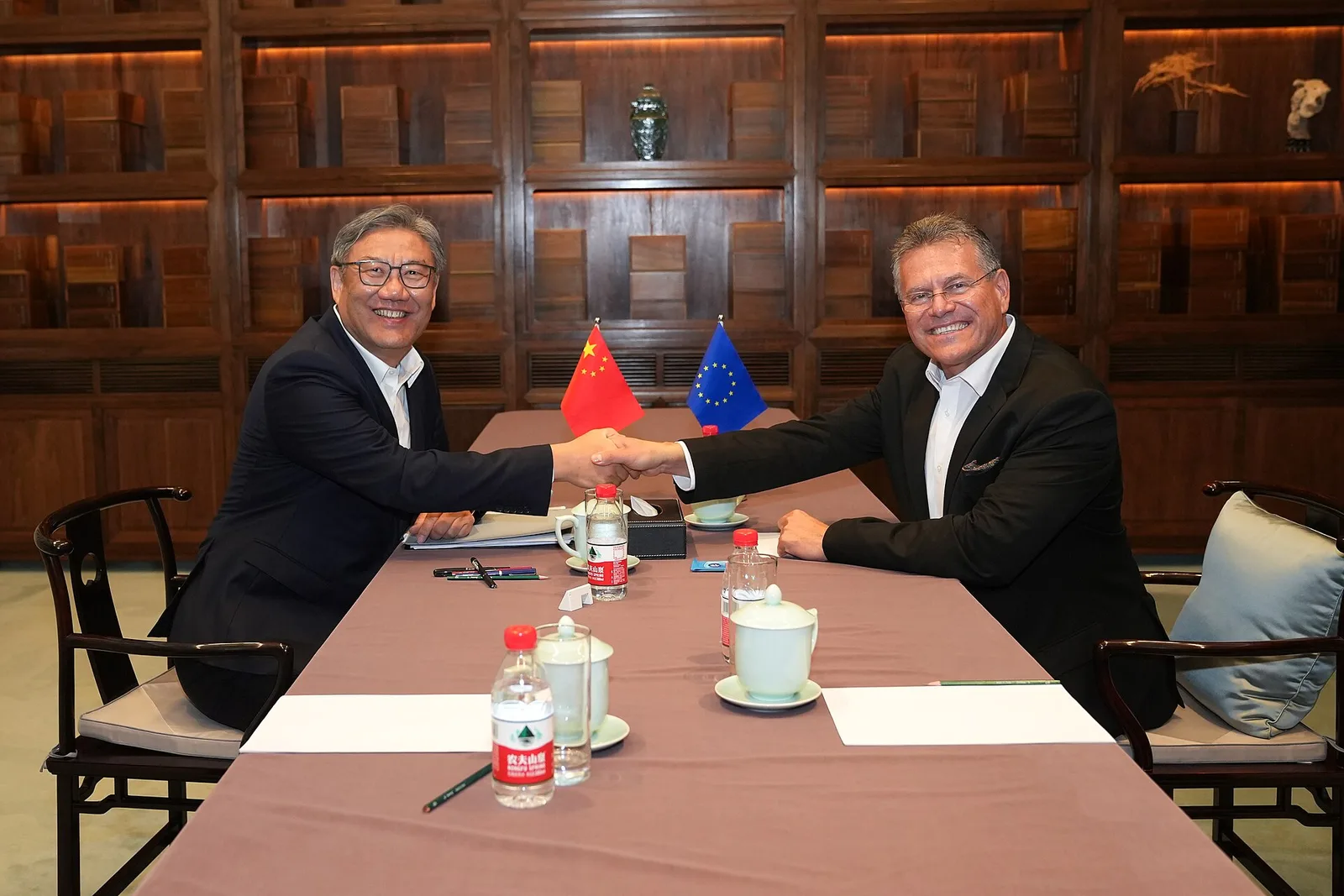
EU Trade Commissioner Maroš Šefčovič announced the outcome on 9 October after two days of talks in Beijing with China's commerce minister, Wang Wentao. The negotiations had run for about four months, since June, and Šefčovič described the result as the end of a first phase rather than a final settlement.
"This opens up the prospect of cutting China's exports by more than half," Šefčovič said of the hybrid arrangement. He presented the understanding as a first step towards more balanced trade and said the reduction could amount to several million cars over four years. No annual ceiling or enforcement mechanism was published alongside Friday's announcement.
The Gap in Europe's 2024 Car Tariffs
The deal targets a gap that opened when the EU imposed anti-subsidy duties on fully electric cars made in China in October 2024. Those duties sit on top of the standard 10 percent tariff on imported cars. Hybrids and plug-in hybrids, which pair a battery with a combustion engine, were left paying only the 10 percent.
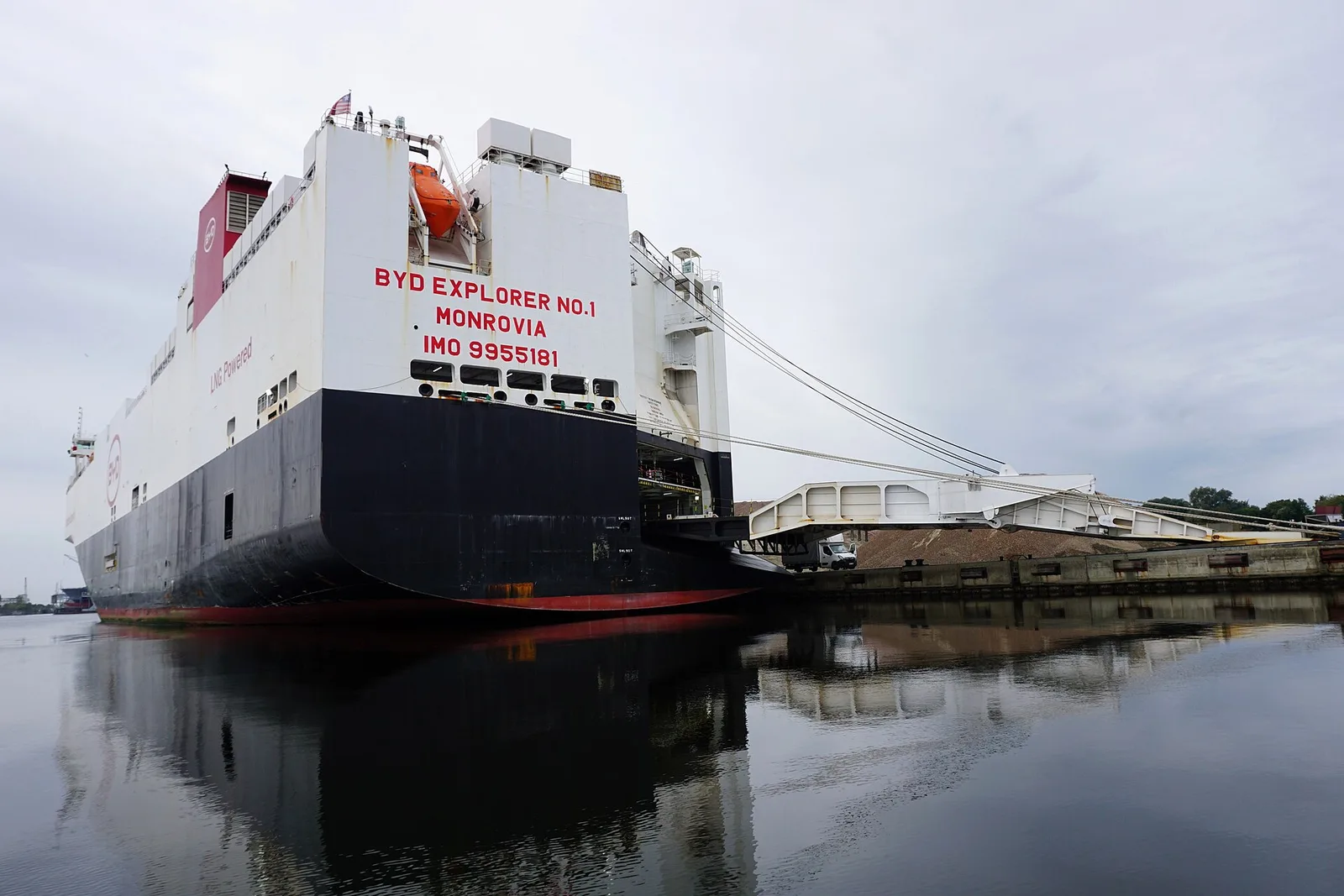
Chinese manufacturers moved quickly into that space. According to figures from the European carmakers' association ACEA, Chinese brands held 14 percent of the European hybrid market in the first half of 2026 and 25 percent of the plug-in hybrid market, up from about 2 percent in both segments in 2024. Imports had been running at roughly 50,000 Chinese hybrids and plug-in hybrids a month, with BYD, Chery and MG among the brands pushing into the segment.
Brussels had previously weighed a safeguard instrument, which would put extra levies on imports above a set volume. Friday's statements did not say whether that tool, or a restraint applied by China on its own exports, would deliver the cut.
Rare Earths and Market Access on the Other Side of the Ledger
Šefčovič said the two sides had also reached a shared understanding to further ease China's export licensing for rare earths and permanent magnets. European manufacturers have struggled with supplies since Beijing tightened rare-earth exports in 2025 during its trade war with the United States, a step the EU accused China of using as a weapon.
China also agreed to improve access to its market for a range of EU goods, from car parts to olive oil. Šefčovič put the value of those exports at almost €4 billion at current levels and said the changes should save European exporters at least €225 million in duties.
Why Brussels Pushed So Hard
The talks took place against a record EU trade deficit with China of around €1 billion a day. On Monday, Germany and France had urged the Commission to act against unfair Chinese trade practices, in a joint paper that floated measures up to an immediate cut-off from the single market if needed. On Wednesday the European Parliament adopted a resolution urging firm action against Beijing.
On the day of the announcement, 44 European industries, among them chemicals, machinery, metals, solar, glass and cement, issued a joint statement warning that Europe could not keep and grow its industrial base without an effective answer to unfair trading practices. The EU has floated retaliatory measures if the final outcome falls short. For China, the stake is continued access to a market of 450 million consumers.
What Carmakers and Investors Watch Next
European car shares had already moved on the prospect of a deal. Renault, Volkswagen and Stellantis rose on Wednesday on reports that the EU was considering restricting Chinese hybrid imports, even as the wider Stoxx 600 index fell 1.1 percent that day as bond yields climbed.
For European manufacturers, which rely on hybrids and plug-in hybrids as a bridge between combustion engines and fully electric cars, a curb on Chinese volumes would reduce competition in the segment where Chinese brands had been gaining share fastest. How much relief they get depends on details still to come: the size of any annual ceiling, how quickly it can grow and when it takes effect.
It is also not yet clear what China receives in return. EU leaders are due to review the agreement at the European Council summit in Brussels on 15 and 16 October.