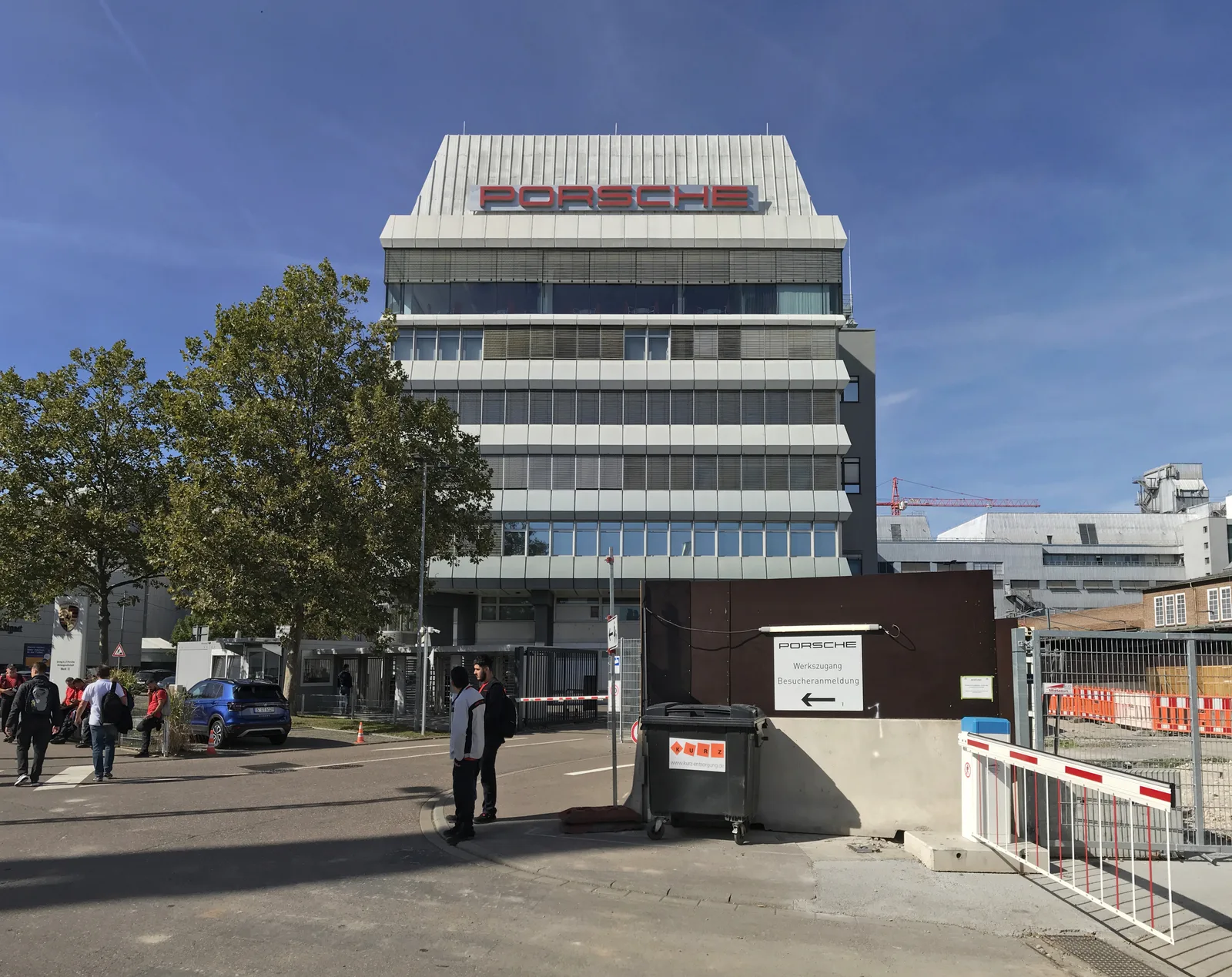
Volkswagen Group swung to a third-quarter operating loss of €5.8 billion, worse than analysts had expected, after booking €7.8 billion of special items led by a €6.4 billion writedown of the goodwill it carries for Porsche.
Volkswagen Group, third quarter 2026
- €5.8bn operating loss in the quarter
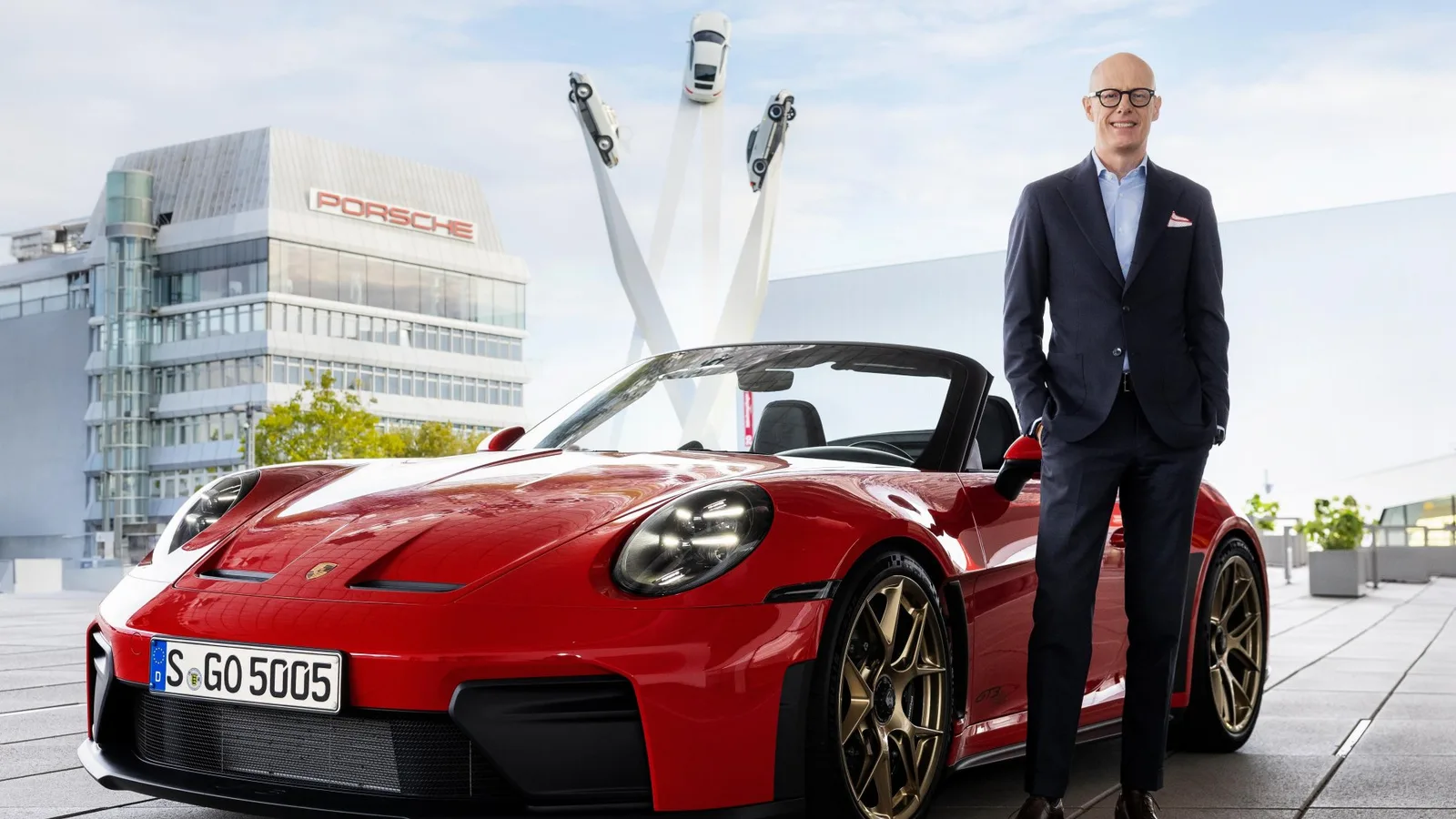
- €6.4bn impairment on Porsche goodwill
- 3.8% nine-month margin before special items
The figures, published early on Thursday, leave Europe's biggest carmaker with almost no operating profit for the first nine months of the year. The quarter's loss of €5.86 billion compares with a loss of €1.30 billion in the same period of 2025, and the operating return on sales for the three months was minus 7.8 percent.
Most of the damage is on paper. The Porsche charge and a second impairment in China are non-cash items, which means no money left the group, but they erase value that Volkswagen had previously carried on its balance sheet.
Where the €7.8 Billion Went
Special items for the first nine months totalled €8.7 billion, and €7.8 billion of that landed in the third quarter. The largest single item was the €6.4 billion impairment on Porsche goodwill. Volkswagen did not set out the reasons for the charge in its results release.
About €1 billion more came from non-cash impairments on the assets of fully consolidated companies in China, a market where the group's sales have been shrinking. The remainder included additional costs linked to the planned sale of Volkswagen Osnabrück GmbH, the subsidiary that runs the group's plant in Lower Saxony. The company did not give a separate figure for those costs.
The quarter was also weak before the charges. Vehicle sales fell 15.1 percent to 1.88 million and deliveries to customers dropped 14.3 percent to 1.89 million. Net cash flow in the automotive division slowed to €1.23 billion from €3.15 billion a year earlier.
Volkswagen: share price, chart and news
Nine Months of Shrinking Profit
Across January to September, sales revenue slipped 2.2 percent, and the operating result collapsed to €71 million, close to zero.
| Volkswagen Group, nine months | 2026 | 2025 |
|---|---|---|
| Sales revenue | €233.4bn | €238.7bn |
| Operating result | €0.07bn | €5.4bn |
| Automotive net cash flow | €4.4bn | €1.8bn |
| Net liquidity, end of period | €33.0bn | €34.5bn (31 Dec 2025) |
Vehicle sales fell 10.6 percent to 5.88 million, which Volkswagen blamed on shrinking markets, China in particular, on sharper price competition and on tariffs and trade restrictions. Deliveries to customers fell 9.0 percent to 6.01 million. Before special items, operating profit was €8.8 billion, a return on sales of 3.8 percent. Earnings before tax were €544 million, and after tax the group recorded a loss of €2.72 billion.
Cash generation held up better than profit. Automotive net cash flow rose to €4.4 billion, although the group said that adjusted for mergers and acquisitions it was about €3.9 billion, against €3.5 billion a year earlier. That figure already includes €0.5 billion paid into pension funds.
Antlitz Calls for Speed
Chief financial officer Arno Antlitz, who is also chief operating officer, struck an urgent tone. "We cannot afford to lose any time and must act quickly and decisively," he said in the results statement.
He described the 3.8 percent underlying margin as too low for the group to keep investing heavily in its future. He pointed to US tariffs, a shrinking Chinese market and sharper competition in Europe, and said Volkswagen currently earns less on an electric car than on a combustion-engine model. That last point matters because demand is moving towards electric models faster than their margins are improving.
Orders in Europe are not the problem. Order intake in the region rose 4 percent to 3.0 million vehicles, with orders for battery-electric cars up 39 percent. The European order bank stood at about 1.1 million vehicles, 11 percent higher than at the end of 2025, and electric models make up roughly 40 percent of it. The Electric Urban Car Family, the group's line of smaller, cheaper electric models, has collected about 150,000 orders.
A €31 Billion Cost Plan and Talks With IG Metall
The answer Volkswagen is betting on is its Future Plan, which includes a cost programme worth about €31 billion. It covers a leaner model range, simpler structures, lower vehicle and overhead costs, more efficient plants and faster technology development. Antlitz said swift and consistent implementation is now what counts.
For the full year, Volkswagen's outlook points to sales revenue of about €315 billion, an operating return on sales of up to 1 percent, automotive net cash flow of €3 billion to €6 billion and automotive net liquidity of €32 billion to €34 billion. The forecast assumes current US tariffs stay in place. It excludes any escalation in the Middle East, the effects of the Future Plan and the planned sale of a majority stake in Everllence.
The next test comes at home. Volkswagen AG and the IG Metall union agreed last week to open negotiations, with the first round set for 24 November in Emden and a follow-up on 15 December in Zwickau. With a loss on the books and a cost plan to deliver, those talks matter for Germany's industrial heartland as much as for the group's shareholders.