The G7 agreed on Friday to release 100 million barrels of diesel and crude oil from emergency stocks through the International Energy Agency over four months. The deal follows a week of pressure from Washington, which had threatened Europe with a ban on US diesel exports if it did not draw down its reserves.
The release starts immediately, with a substantial share of diesel front-loaded into the first 20 days. The G7 statement did not say how the volume splits between crude, diesel and other products, or which countries will contribute.
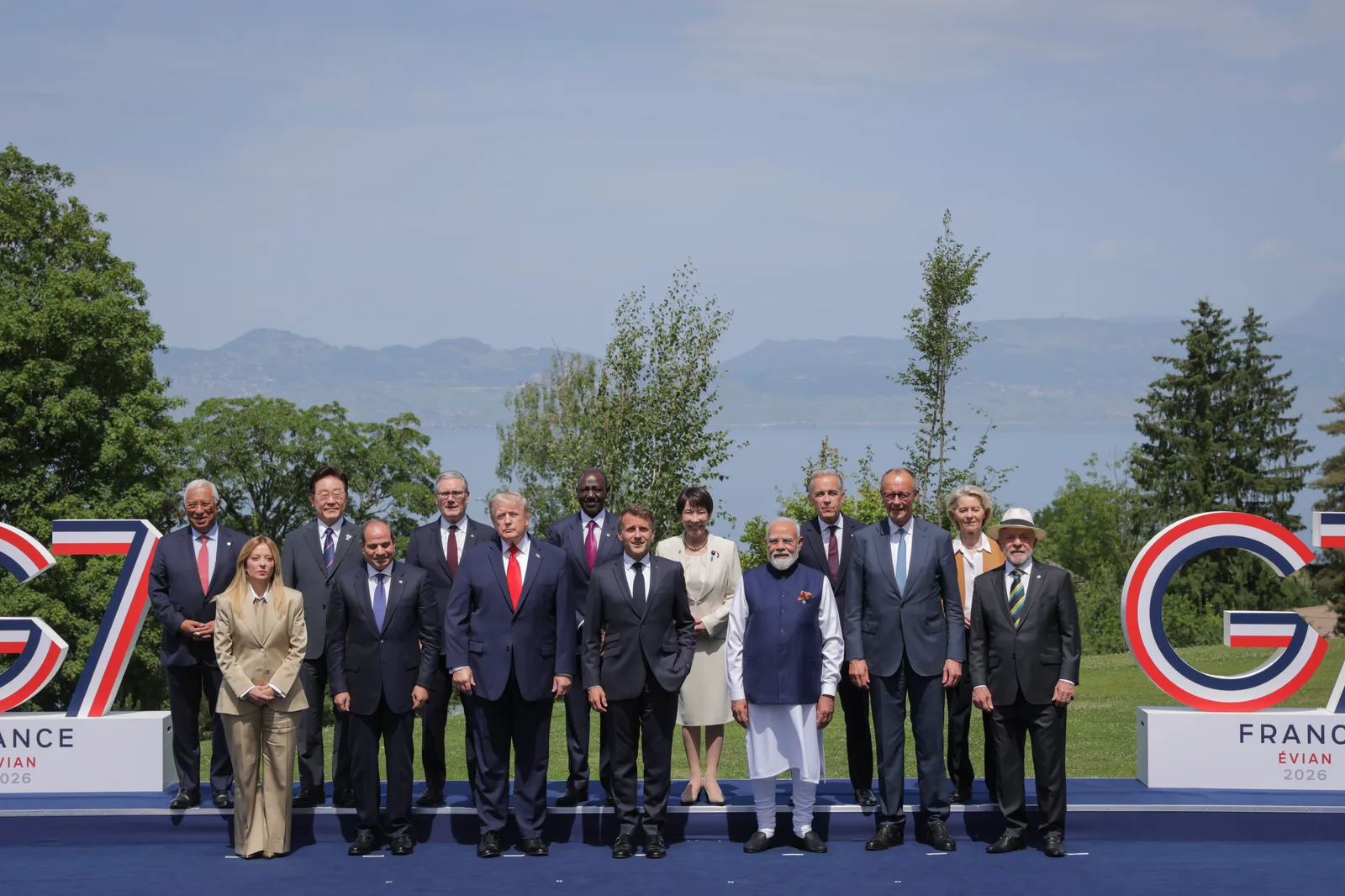
French President Emmanuel Macron, who holds the rotating G7 presidency, initiated and chaired Friday afternoon's leaders' videoconference after speaking with US President Donald Trump, according to the Élysée Palace. Trump had already announced on Truth Social that Europe had agreed to release a massive amount of diesel.
What the G7 agreed
- 100 million barrels of diesel and crude released through the IEA over four months
- A substantial diesel release front-loaded into the first 20 days
- A pledge by G7 members not to restrict energy exports to one another
- Talks within the IEA in the coming days on extra diesel releases if needed
Washington's threat of a diesel export ban
The White House had sent EU leaders a proposal for 120 million barrels of diesel over 180 days, and US Treasury Secretary Scott Bessent urged Europe on Thursday to tap its reserves immediately. Washington also approached France, Germany, Italy, Ireland and the UK one by one, warning they could face US diesel export bans.
The pressure has a domestic motive. US diesel prices hit a record $6.53 a gallon last week, a problem for Trump's Republicans before the 3 November midterm elections. The White House may also unveil an executive order on record diesel prices as early as next week, according to two people familiar with the process, expected to widen the use of tax-exempt red-dyed diesel.
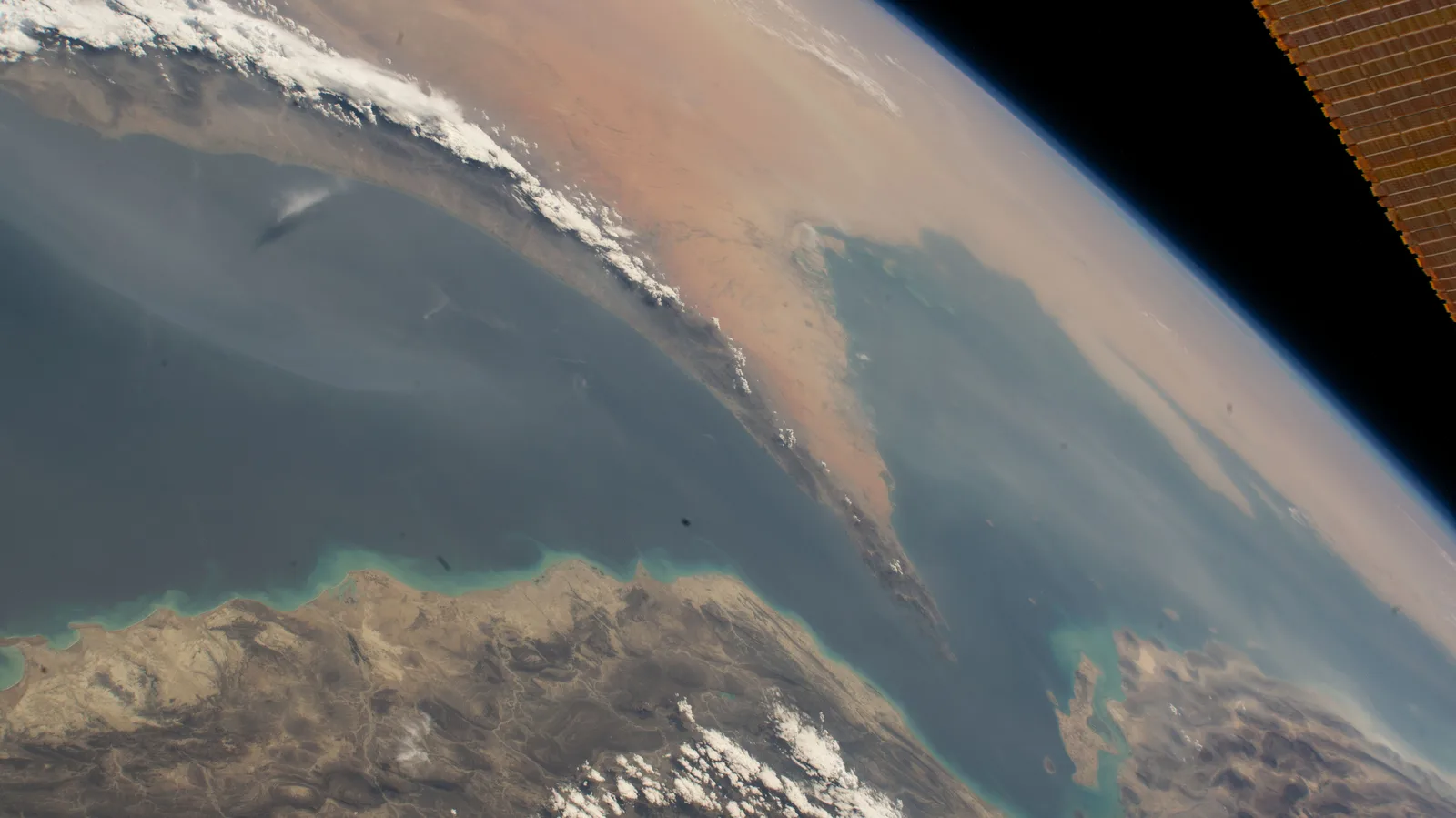
Europe is more exposed than it used to be. It has traditionally relied on Russian and Middle Eastern diesel, but has turned increasingly to US supply. The Iran war has disrupted Gulf flows, Russia has banned fuel exports after Ukrainian strikes on its refineries, and Chinese refiners have suspended October fuel exports.
Markets: indices, currencies and commodities
Brussels rejects the ban and denies it gave way
The European Commission said it would not accept a unilateral US ban. "A ban would not be beneficial to anyone," said Anna-Kaisa Itkonen, the Commission's energy spokesperson. She said the EU's oil coordination group had found no immediate security-of-supply problem this week.
Chief spokesperson Paula Pinho said the coordination had nothing to do with recent threats. She noted that diesel prices had doubled and gas prices risen 140 percent since February.
The EU's main gain was one line in the G7 statement committing members to refrain from export restrictions on energy between them. Analysts at Energy Aspects called it a political statement rather than a binding commitment.
How much oil this really is
Before the call, EU governments discussed a French proposal for Europe to release 50 million barrels of diesel and for IEA members to release 50 million barrels of crude. On Eurostat data, 50 million barrels of diesel equals about 17 percent of the EU's emergency diesel and gasoil stocks and about 3 percent of annual EU consumption. It was not clear whether the G7 adopted that split.
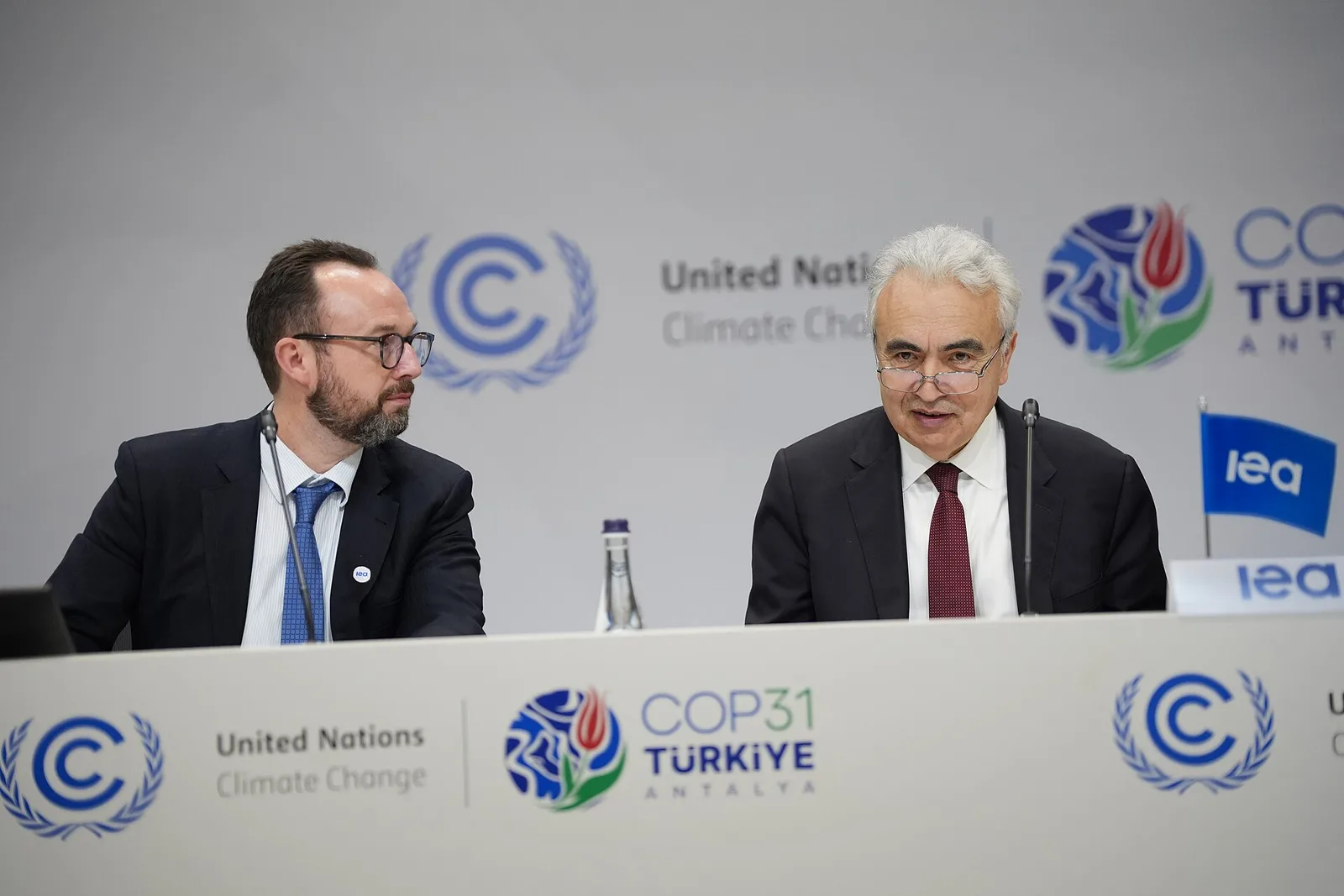
The new release comes on top of the record 400 million barrels that the IEA's 32 members agreed to release in March after the war with Iran began. IEA Executive Director Fatih Birol said this week that about two-thirds of that volume had been delivered. It is unclear how much of Friday's release comes out of the March pact.
Diesel futures fall on the talks
Fuel markets reacted quickly. US diesel futures fell more than 4 percent to about $4.45 a gallon after reports of the talks, and European diesel futures dropped by more than $100 a tonne, according to LSEG data.
The bigger question is how much oil will actually reach the market, and when. Emergency stocks are built to cover supply disruptions rather than price spikes, and the IEA route lets European capitals present the release as collective action rather than a concession to Washington. Rapidan Energy Group's president, Bob McNally, expects European countries to release more diesel, and possibly crude, from their stocks.
For European households and businesses, diesel is the price that matters most. It feeds directly into haulage, farming and delivery costs, and energy prices were 18.8 percent higher in September than a year earlier, according to Eurostat's flash estimate published on Friday. Euro-area inflation reached 3.8 percent, its highest in three years.
Sources
- EUobserver: G7 releases diesel stocks after Trump pressure, EU denies caving
- Cyprus Mail (Reuters): Europe agrees to release diesel stocks, Trump says
- Cyprus Mail (Reuters): G7 countries agree on release of diesel and oil stocks after US pressure
- Euronews: Eurozone inflation spikes to 3.8%: Is your country on the worst list?