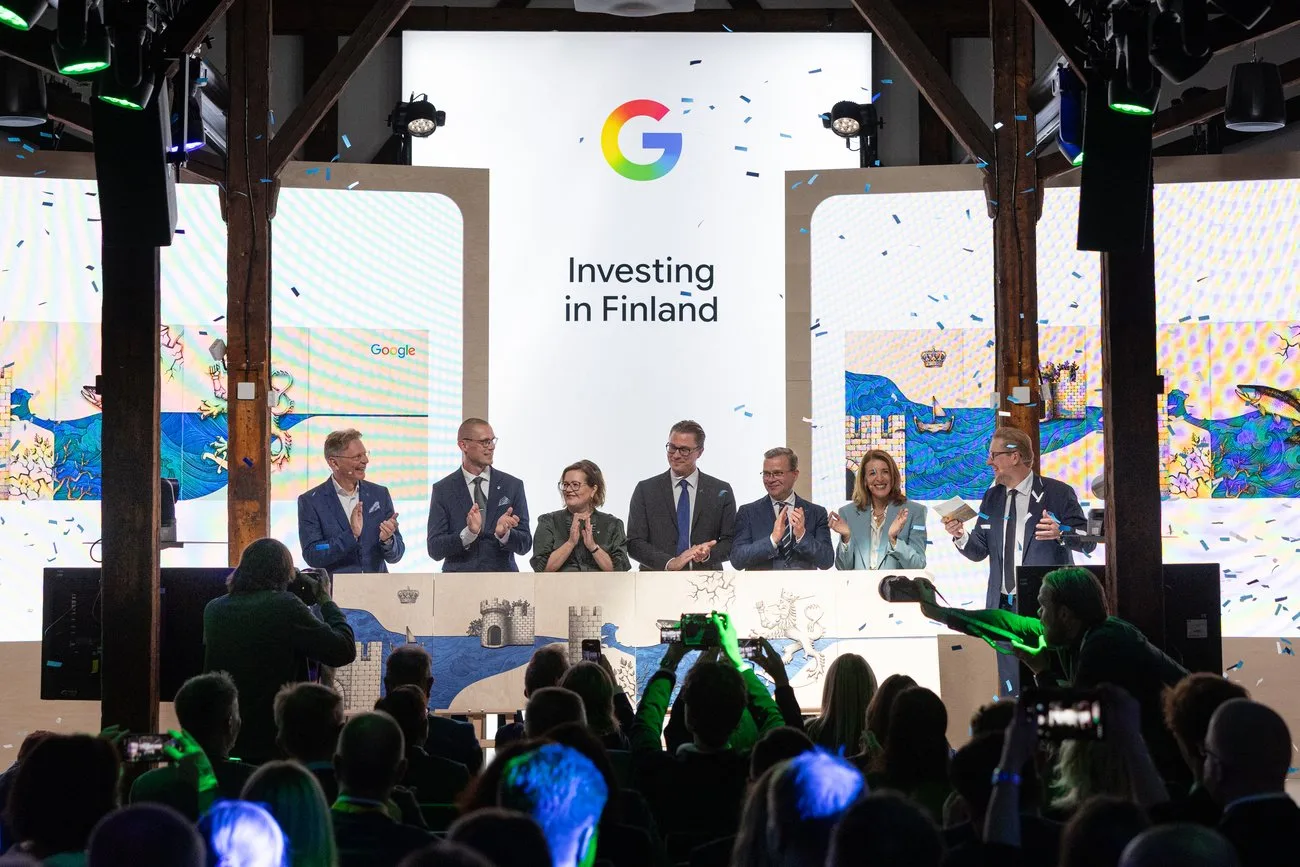
Google will spend at least €13bn over the next two years on data centres, clean power and local partnerships in Finland, the company said on Wednesday, calling it its largest single investment in Europe.
Four Finnish towns, two years of building
The plan covers Hamina on the south coast, where Google already runs a data centre, and three municipalities further north: Kajaani, Muhos and Vaala. Construction is expected across 2027 and 2028.
Google said the extra capacity will serve rising demand for Search, Maps and its Gemini AI assistant. The announcement, a blog post by Bikash Koley, vice-president of Google Global Infrastructure, did not say how the money will be split between the four sites or how much computing power they will add.
Techzine reported that the new locations were chosen together with the local grid operator and Business Finland, a government agency, and that Google says they need less new grid investment and keep overall system costs down.
Google's own estimates for the construction phase
- €13bn minimum spend on infrastructure, energy and partnerships over two years
- €3.6bn average yearly contribution to Finnish GDP in 2027 and 2028
- 37,000+ jobs supported nationwide while the sites are built
Alphabet: share price, chart and news
What Google says Finland gets
About 16,000 of the 37,000 jobs would be in construction, according to Euronews. Once the sites are running, Google expects them to sustain around 7,000 jobs a year in technical and facility roles, equipment supply and local services.
The company also said its Hamina operation supported more than 600 Finnish suppliers between 2023 and 2025, in construction, operations and network fibre. It will put €31m into the four host communities over four years, including €10m for research and innovation, and run AI training with local colleges for more than 4,400 workers.
These are the company's projections, not independent estimates. Techzine pointed to a UK study that found only a quarter of projected data centre jobs actually appeared, and saw no reason to expect Finland to be very different.
Google also plans training for 100 Finnish students aiming at data centre careers, and pledged money to restore native forests and wetlands near its sites, and to build public trails, saunas and fishing piers for local residents.
Nuclear, wind and a battery behind the servers
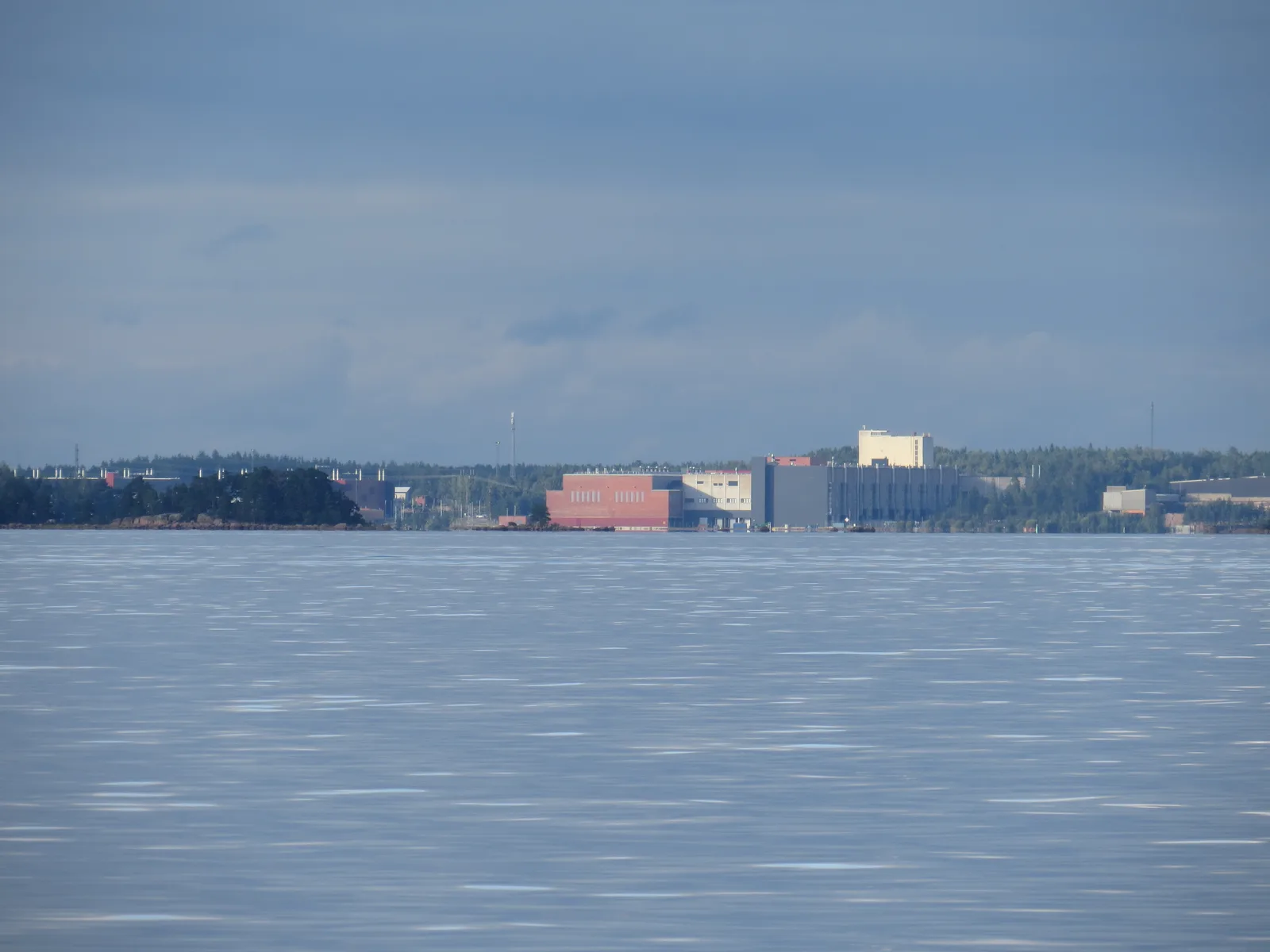
Data centres produce large amounts of heat and use large amounts of electricity. Finland's cold climate lowers cooling costs, and its power comes from relatively cheap and stable nuclear, wind and hydro sources. At Hamina, Google cools servers with seawater and sends waste heat to local homes and businesses.
The energy package is a large part of the announcement:
- Nuclear: a 22-year agreement with Fortum that supports a life extension of the Loviisa plant, which supplies about 10% of Finland's electricity and would otherwise close after 2030. A memorandum of understanding also covers possible new reactors at the same site, Techzine reported.
- Wind: two onshore power purchase agreements, with Valorem and Suomen Hyötytuuli, take Google's new wind capacity in Finland to 629 megawatts.
- Storage: a contracted 94-megawatt battery near Kajaani, due online in late 2027, to steady prices in cold, windless spells.
For Fortum, the Loviisa deal brings a 22-year commitment from Google to a plant that had been heading for closure.
Why Finland, and why now
Google bought a disused paper mill in Hamina in 2009 and turned it into a data centre, which has since become one of Google Cloud's regions. It put an extra €1bn into Finnish capacity in 2024, and has also committed €5bn to its data centre in Belgium.
Large-scale AI building in Europe has lagged the United States, held back by space, grid connections and dense cities, Techzine noted, describing Finland as a niche exception.
The deal is also a political win. Prime Minister Petteri Orpo's right-wing government has made attracting this kind of investment a priority, Euronews reported, with Finland facing record unemployment, weak growth and elections in April next year. "Google's decision is a clear testament to our strengths," Orpo said.
What to watch
- Planning and grid work at Kajaani, Muhos and Vaala before construction starts in 2027
- Whether the 94-megawatt battery near Kajaani arrives on time in late 2027
- How many of the 7,000 long-term jobs Google projects turn into real posts
- Any final decision on new reactors at Loviisa under the Fortum memorandum