Oracle's order book for cloud computing swelled to $664 billion in its fiscal first quarter, up $209 billion in a year, as revenue from its cloud infrastructure business more than doubled. The bill for the data centres behind that growth is rising just as fast.
Total revenue for the three months to 31 August rose 30 percent to $19.35 billion, the company said after the US market closed on Thursday. Cloud revenue, which combines infrastructure and applications, climbed 62 percent to $11.6 billion.
The standout was Oracle Cloud Infrastructure, the business that rents computing power to companies training and running artificial intelligence models. Its revenue rose 121 percent to $7.39 billion. Cloud applications, the older software-as-a-service business, grew a far more modest 10 percent to $4.22 billion.
Oracle, fiscal Q1 2027
- $664bn remaining performance obligations, up $209bn
- $7.4bn cloud infrastructure revenue, up 121%
- -$5.4bn free cash flow
A backlog worth seven years of sales
Remaining performance obligations, the value of contracts signed but not yet turned into revenue, reached $664 billion. Oracle said it signed more than $30 billion of additional AI cloud contracts during the quarter.
To put that in context, the backlog is more than seven times the at least $90 billion of revenue Oracle expects for the whole of its current financial year. It shows how much computing capacity AI developers and large companies have committed to buy, and how long Oracle will be building to deliver it.
Earnings grew in line with revenue. Non-GAAP earnings per share, which strip out items such as stock-based pay and acquisition costs, rose 30 percent to $1.92. On a GAAP basis, EPS rose 55 percent to $1.56, and GAAP operating income climbed 57 percent to $6.7 billion.
The traditional software business shrank 3 percent to $5.55 billion, while hardware rose 15 percent to $774 million and services grew 5 percent to $1.4 billion.
The price of building AI capacity
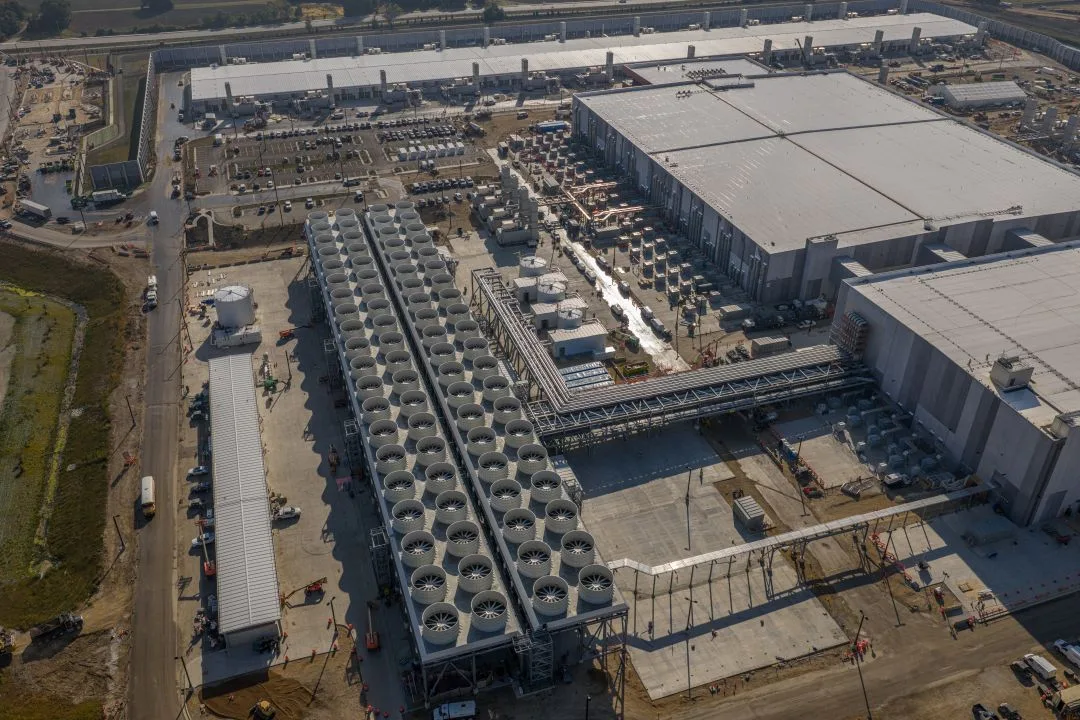
The growth comes at a steep cost. Oracle spent $28.5 billion on capital expenditure in the quarter, more than three times the $8.5 billion of a year earlier, as it races to build and equip data centres. Operating cash flow rose 184 percent to $23.1 billion, but it did not cover the spending, leaving free cash flow at minus $5.4 billion.
Oracle also sold $20 billion of its own shares through an at-the-market equity programme during the quarter, raising cash by issuing stock gradually into the market. For existing shareholders that means dilution: the AI expansion is being paid for partly with new equity rather than with cash generated by the business.
That is the central question for investors in the AI build-out. The backlog suggests the demand is real and contracted, but the money has to be spent long before the revenue arrives. If customers scale back their plans, the cash Oracle has already committed to buildings, chips and power cannot easily be recovered.
What Oracle expects next
- Fiscal second-quarter revenue growth of 30 to 34 percent
- Cloud revenue growth of 65 to 71 percent in dollar terms in the second quarter
- Full-year revenue of at least $90 billion
- Full-year non-GAAP EPS of $8.10
- A quarterly dividend of $0.50 per share, payable on 23 October
Why it matters for European investors
Oracle has become one of the clearest public bets on demand for AI computing, alongside the large US cloud providers. Its results are read across the market for clues on whether spending on AI infrastructure is still accelerating.
For European markets, that spending feeds a long supply chain, from the makers of chip-manufacturing equipment to suppliers of electrical grids, cooling systems and power generation for data centres. A backlog that grew by more than $200 billion in a year points to continued orders for that chain.
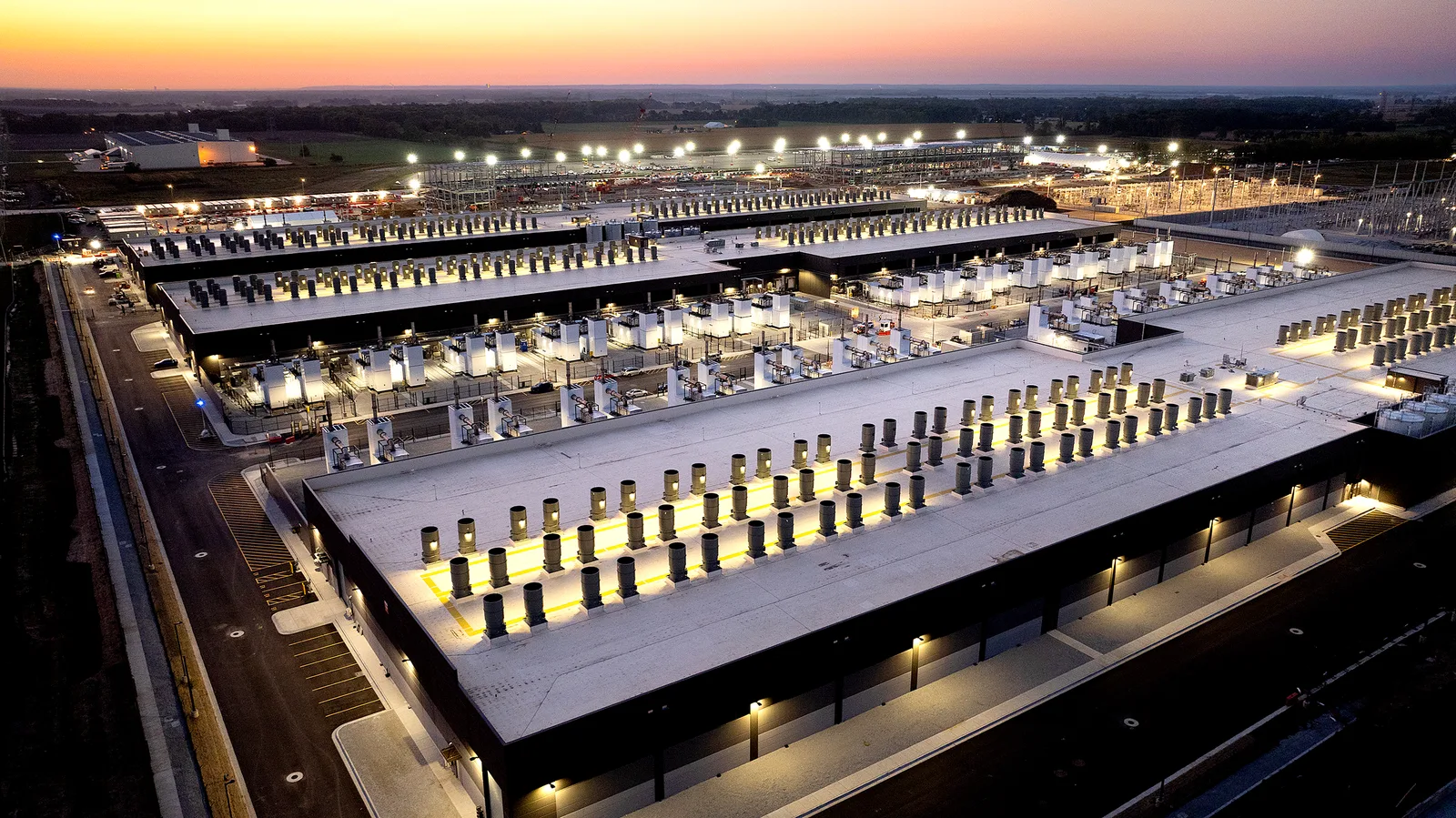
The flip side is the financing. Negative free cash flow and a $20 billion share sale show that even large, profitable technology groups are stretching their balance sheets to keep up. Oracle also said it had delivered 850 megawatts of additional data-centre capacity and more than 300,000 GPUs to AI cloud customers since the end of its previous quarter. The test for the shares comes when Wall Street trades them in full on Friday.