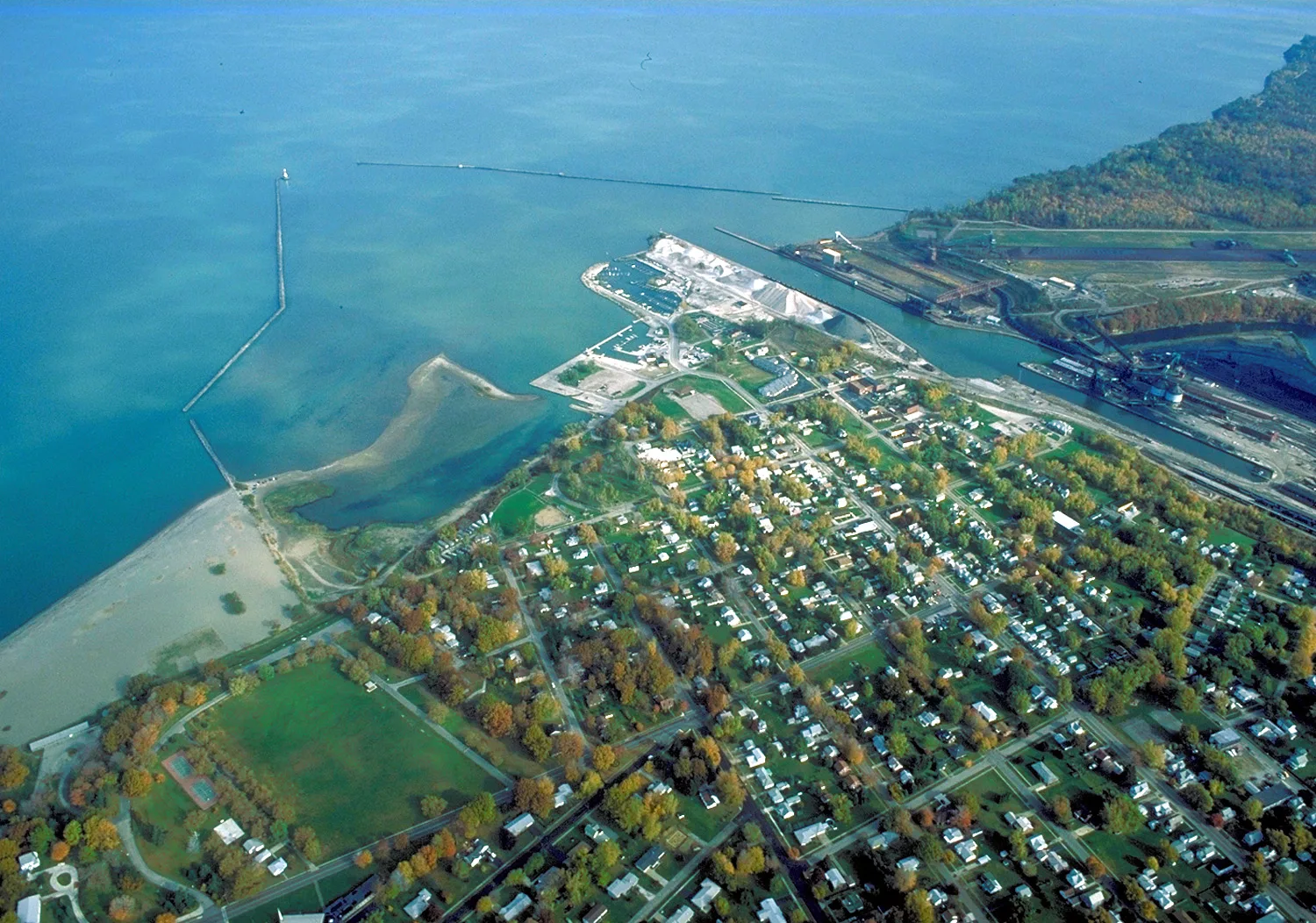
Graphite One has received the final air permit from the Ohio Environmental Protection Agency for its planned battery anode material plant in Conneaut, Ohio. The company calls it the most demanding permit for the first phase of its US supply-chain plan, but the money to build the US$80 million plant is not yet in place.
What the permit covers
The Ohio EPA issued Permit-to-Install and Operate No. P0140891 to the company's subsidiary, Graphite One (Ohio) Inc. It took effect on 27 October 2026 and runs to 27 October 2036, with renewal possible. The Vancouver-based company announced it on 2 November.
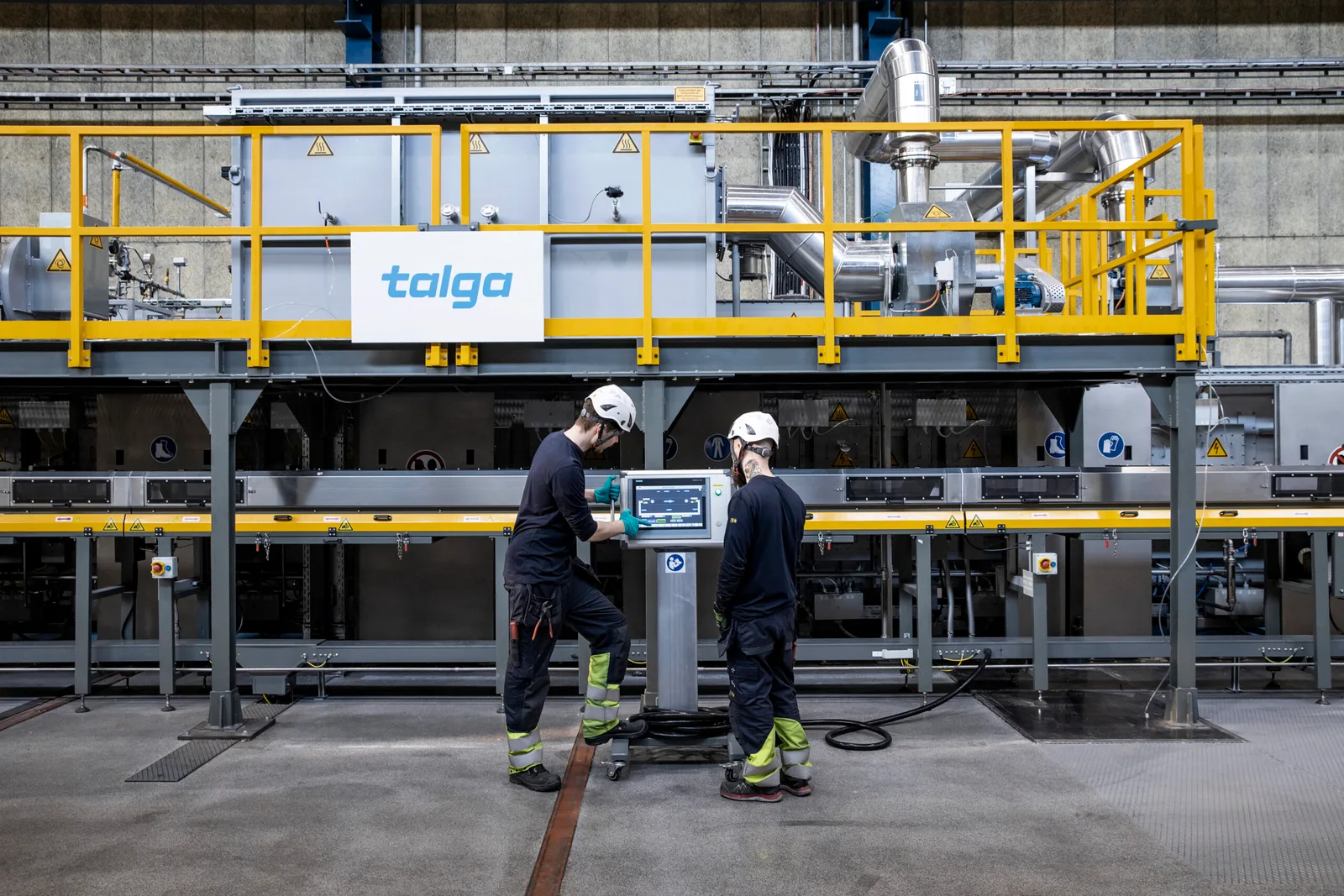
The permit covers four emissions units at the planned site: agglomeration, carbonization, feeding and blending, and finishing and packaging. Thermal oxidizers are designed to capture 98% of volatile organic compounds and baghouses 99% of particulate matter.
The decision completes the technical review that Graphite One reported in July, when it said it had cleared a key Ohio EPA step. Under the permit, construction must begin within 18 months of 27 October, with one possible 12-month extension.
Graphite One: share price, chart and news
A blending plant before a mine
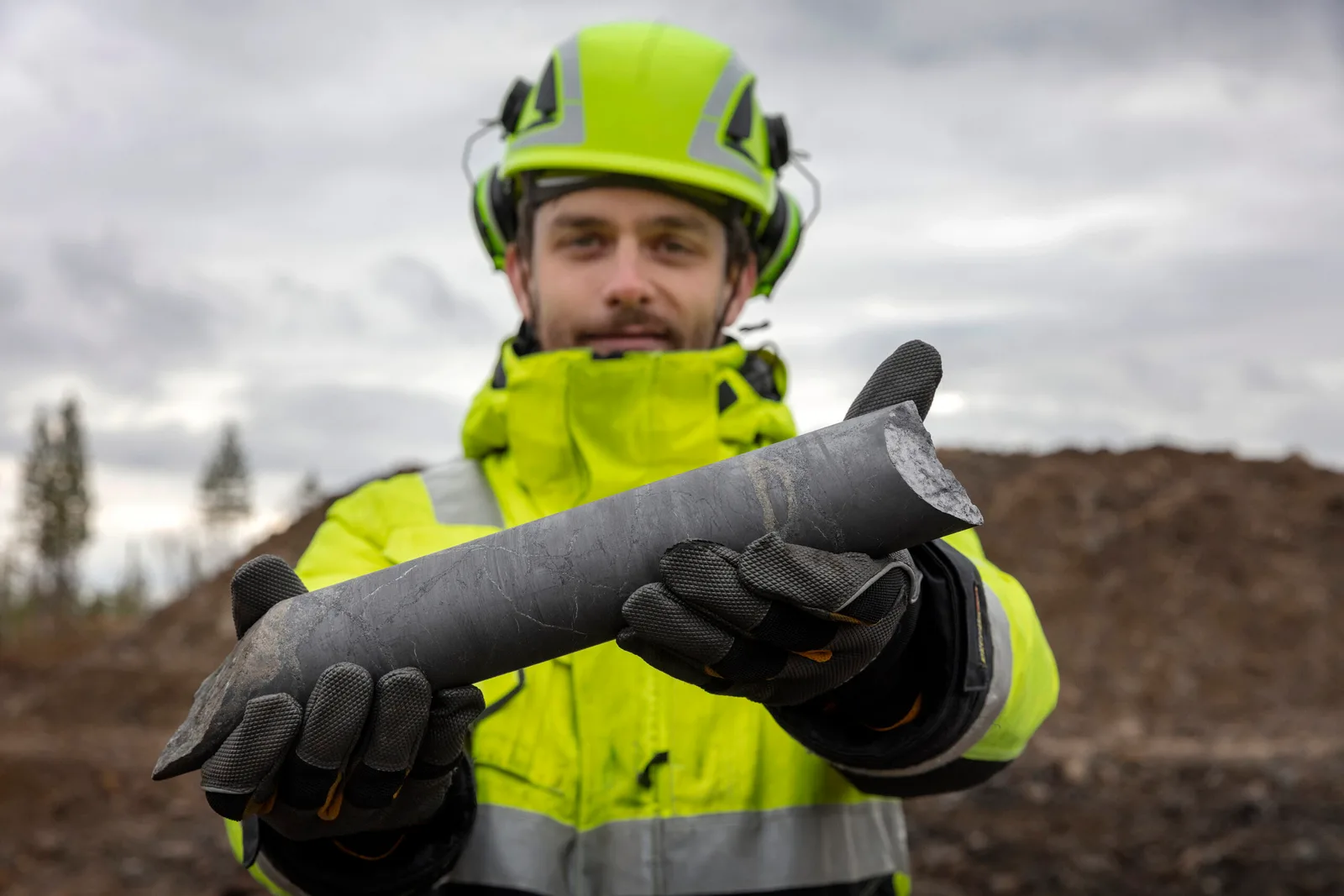
Phase 1 is planned as a finishing and blending plant making synthetic graphite active anode material, the material that forms the negative electrode of lithium-ion batteries for electric vehicles and energy storage. It would process bought-in material to customer specifications, so it does not need ore from the company's Alaskan deposit.
Phase 1 in numbers
- 10,000 t a year of anode material planned
- US$80m estimated initial capital cost
- Q4 2028 target for first sales
The US$80 million figure is an initial estimate that the company says will be updated after final engineering. Graphite One has sent samples to prospective US battery and energy-storage customers for testing and qualification. It has not announced binding sales contracts.
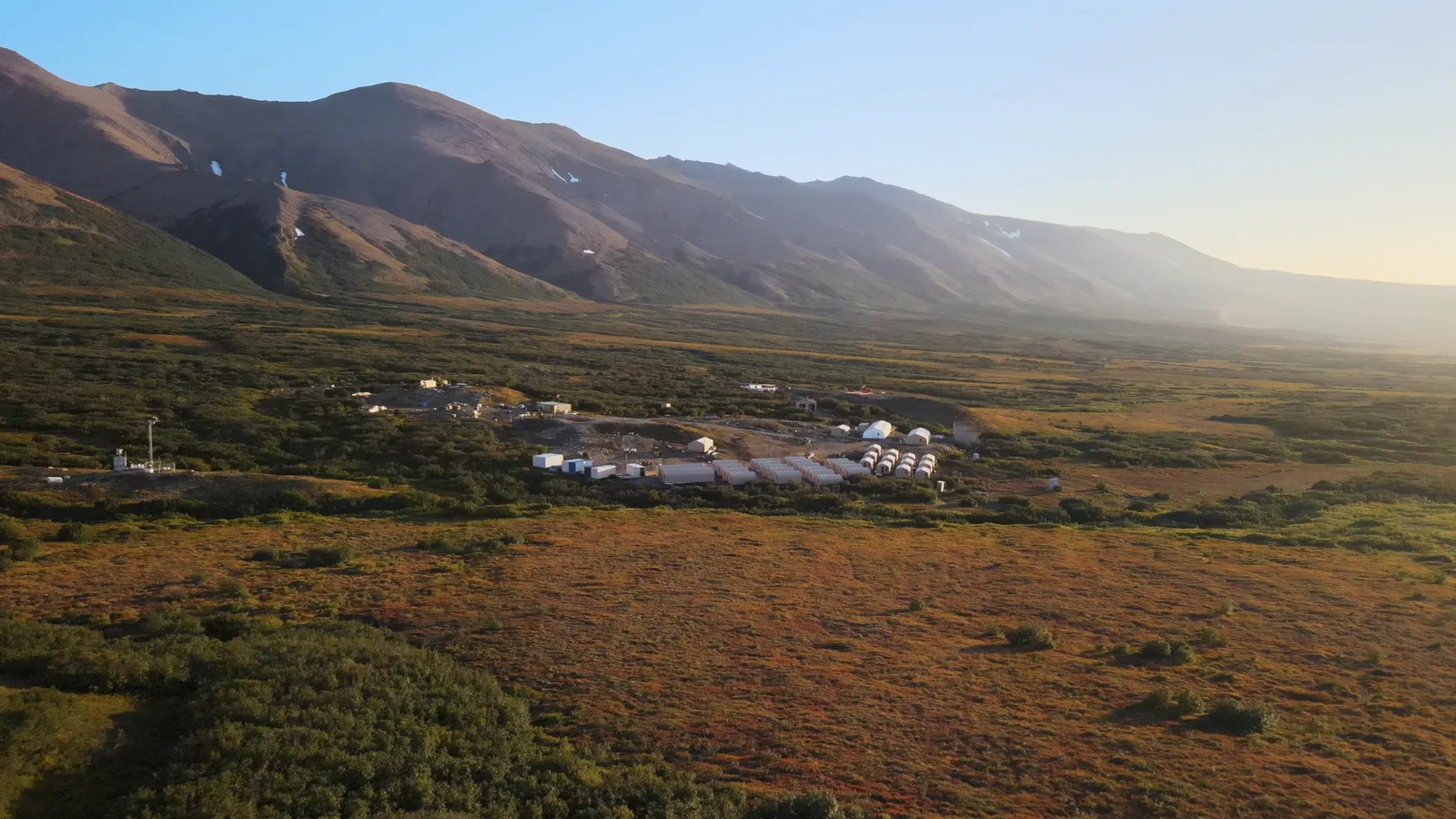
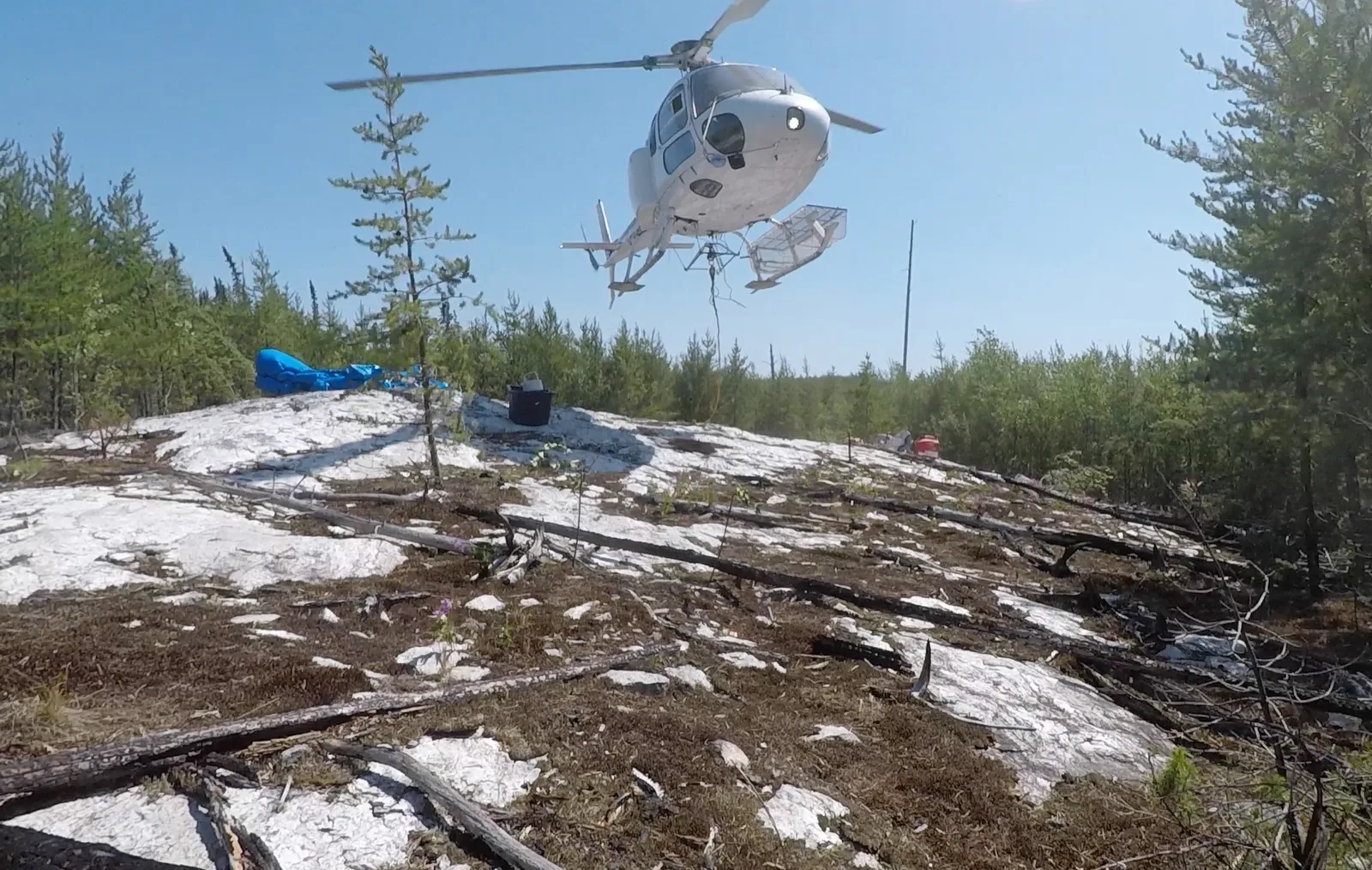
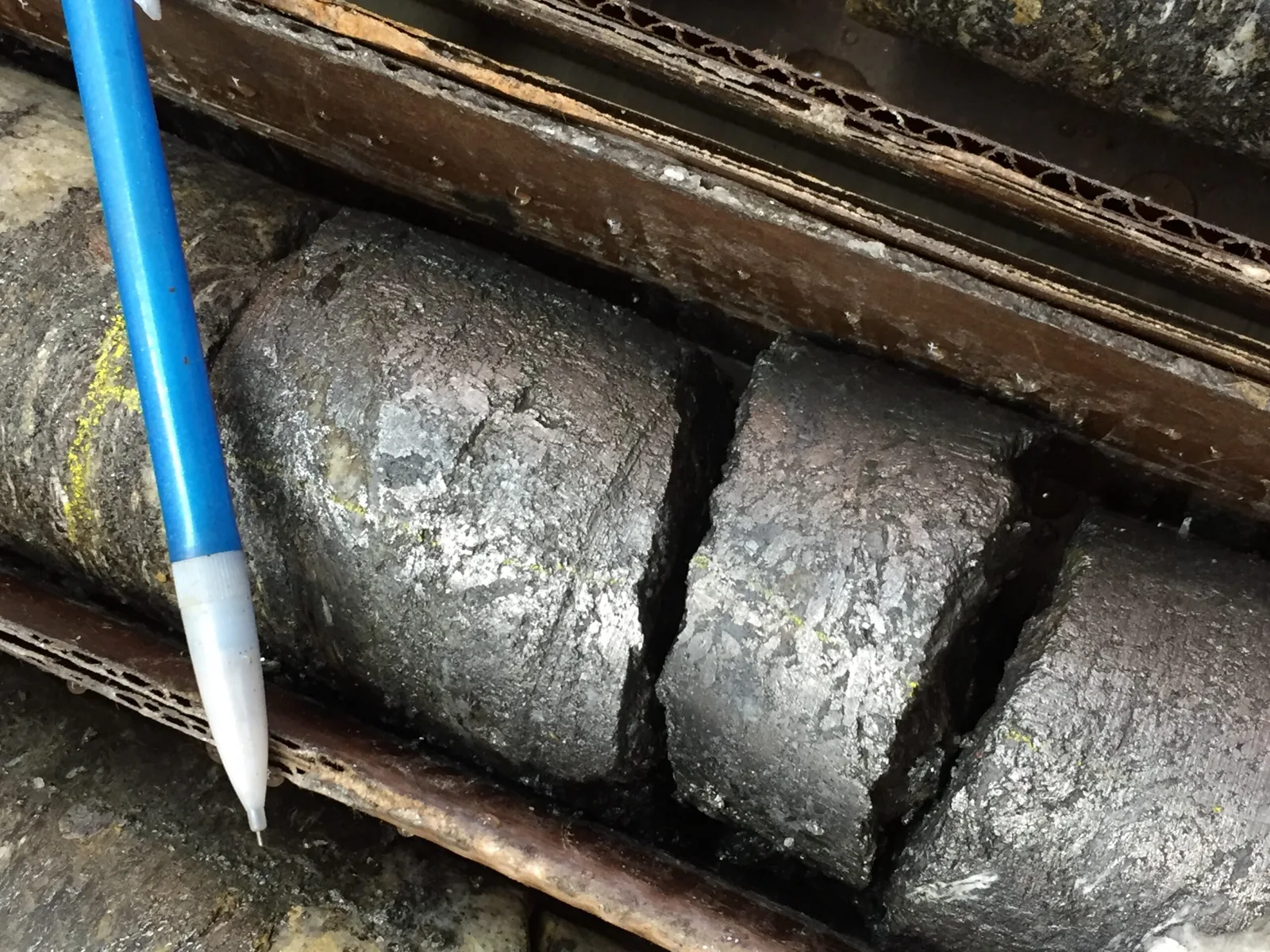
Upstream, the company is developing the Graphite Creek deposit near Nome, Alaska, which the US Geological Survey ranks as the largest graphite deposit in the United States. The release targets mine construction in 2028 and production in 2030. A US Army Corps of Engineers permit decision on the mine is scheduled for 30 September 2027 under the federal FAST-41 timetable.
Next steps, and the money question
The company now moves to final engineering and the remaining state and local building, construction and operating permits. It is aiming for a final investment decision, the award of an engineering, procurement and construction contract and the start of construction by April 2027.
Chief operating officer Mike Schaffner said: "Our focus now turns to engineering, procurement and financing to bring Conneaut to construction."
Financing is the open item. Graphite One holds two non-binding letters of interest from the Export-Import Bank of the United States (EXIM) totalling US$2.07 billion. One, amended to US$1.4 billion, relates to the Ohio plant and its planned expansion in 25,000-tonne steps up to 100,000 tonnes a year. A letter of interest is not a loan commitment: any EXIM support still needs an application, due diligence and credit approval.
What the permit does not settle
- Project financing for Phase 1 has not been secured
- Other state and local permits are still required
- The capital estimate will change after final engineering
- Customer qualification and binding sales agreements are still to come
What it means for shareholders
Graphite One is not yet in production, so the build will depend on outside funding. If part of that comes from new shares, existing holders would be diluted. The company lists permit uncertainty, third-party opposition, changes in government policy, access to capital, market conditions and US-China trade relations among the risks to its plans.
The company points to forecasts of fast growth in US graphite demand and to China's dominance of anode processing and its export controls on graphite and anode technology as the case for a domestic plant. Policy support of that kind can shift, and the demand figures are projections.
The shares closed at C$0.76 on the TSX Venture Exchange on 30 October, down from C$1.01 on 3 September.