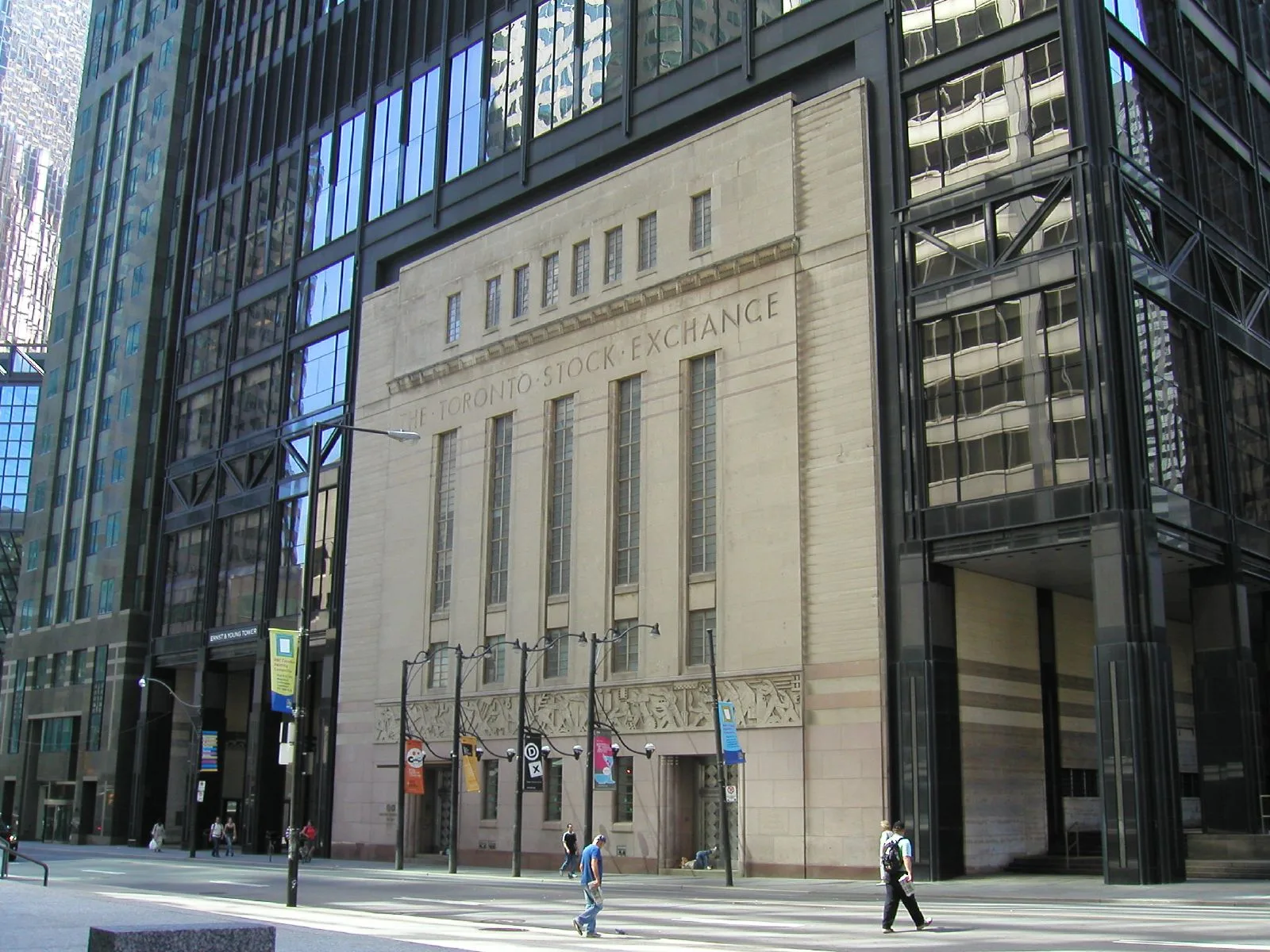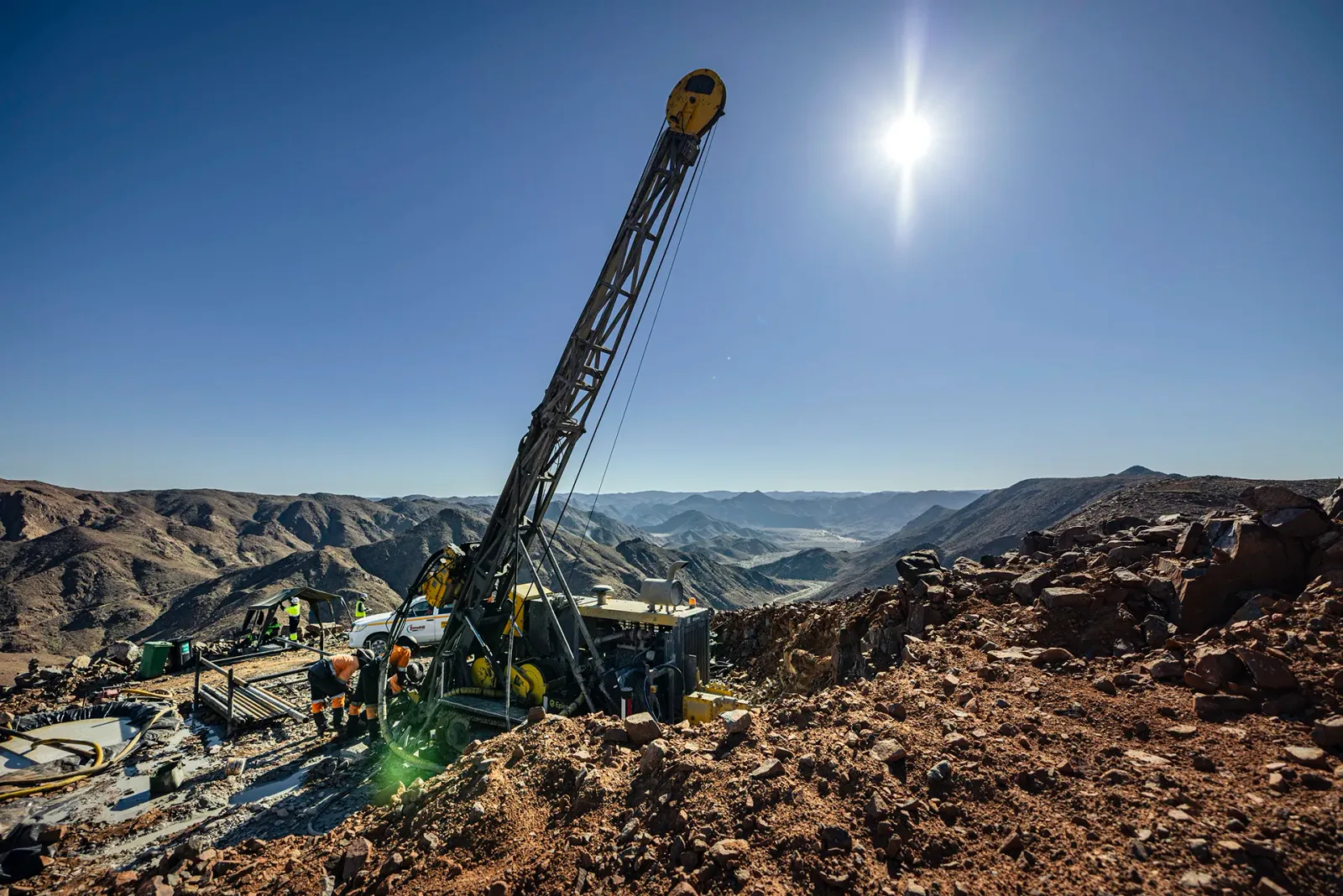
Koryx Copper, a Luxembourg-registered junior listed on the TSX Venture Exchange, said on Tuesday 17 November that its Haib project in southern Namibia is worth $2.5bn after tax, with a 25% internal rate of return, in a new prefeasibility study. The mine would cost $2.06bn to build and produce about 130,000 tonnes of payable copper a year in its first decade. The study prices copper at $5.00 a pound, about $11,023 a tonne: well below where the metal trades, even after this week's slide to a four-month low.
Haib in three numbers
- $2.5bn post-tax net present value at an 8% discount rate
- $2.06bn upfront cost to build the mine and plant
- 130,000 t average payable copper a year in the first 10 years
The copper price behind the numbers
Koryx ran its base case with copper at $5.00 a pound, held flat for the 24-year life of the mine, gold at $3,500 an ounce and molybdenum at $22 a pound.
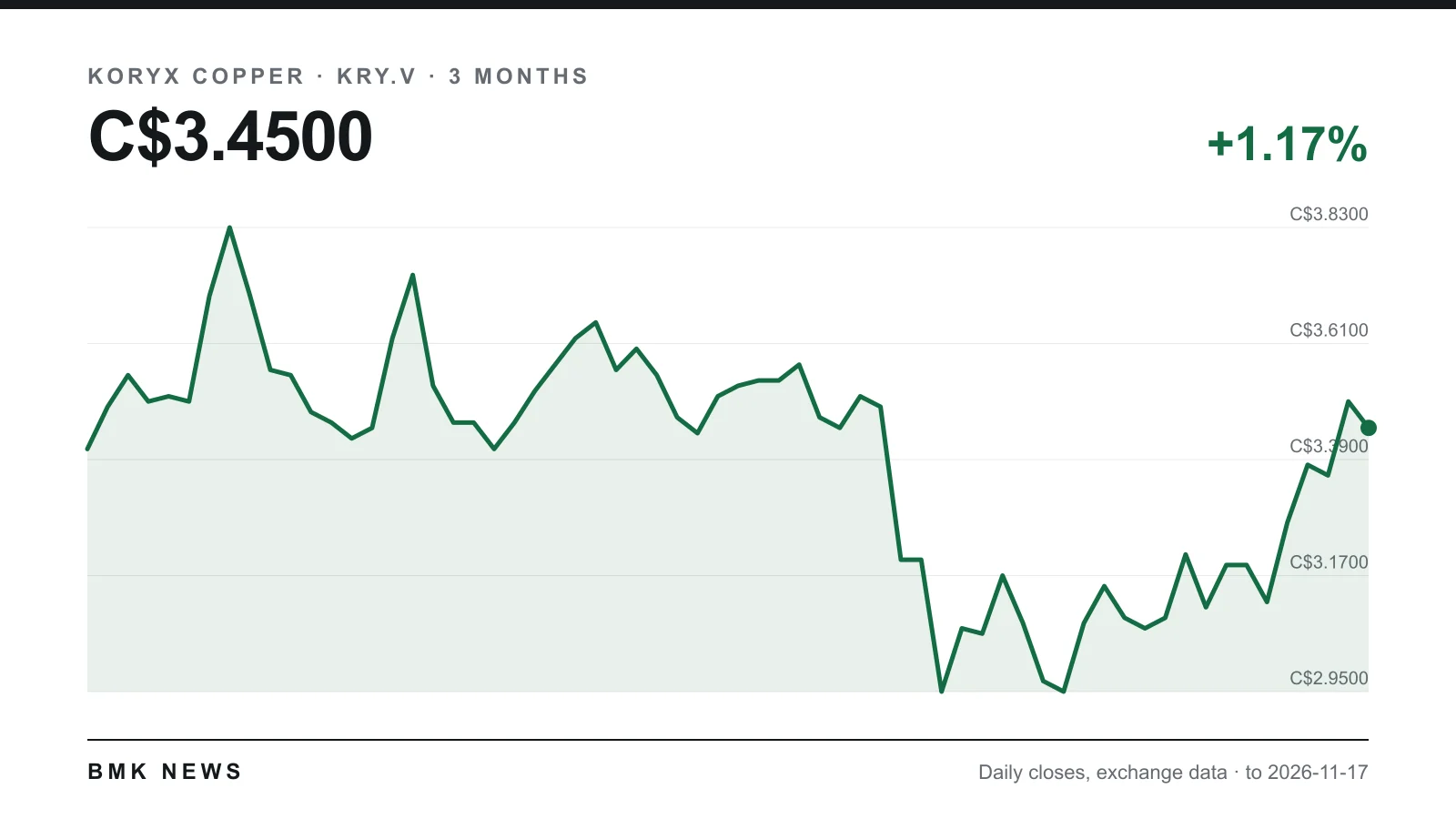
Copper fell to a four-month low on Monday, touching $13,210 a tonne on the London Metal Exchange as doubts about AI data-centre spending and weak Chinese data weighed on the metal, according to Mining.com.au. Even that low works out at about $5.99 a pound, roughly 20% above the price in Koryx's base case. That gap is a cushion, not a guarantee: copper has already lost about 10% since its September record, Mining.com.au reported.
The company also ran the numbers at $13,000 a tonne, close to Monday's low. At that price the post-tax net present value, the value today of all the project's future cash after tax, discounted at 8% a year, rises to $3.9bn. The internal rate of return, the yearly return those cash flows imply, climbs to 32.2%.
| Haib study result | Base case, $11,023/t copper | At $13,000/t copper |
|---|---|---|
| Post-tax NPV (8%) | $2.54bn | $3.88bn |
| Post-tax IRR | 24.9% | 32.2% |
| Post-tax payback | 3.9 years | 3.5 years |
A big, low-grade deposit near the South African border
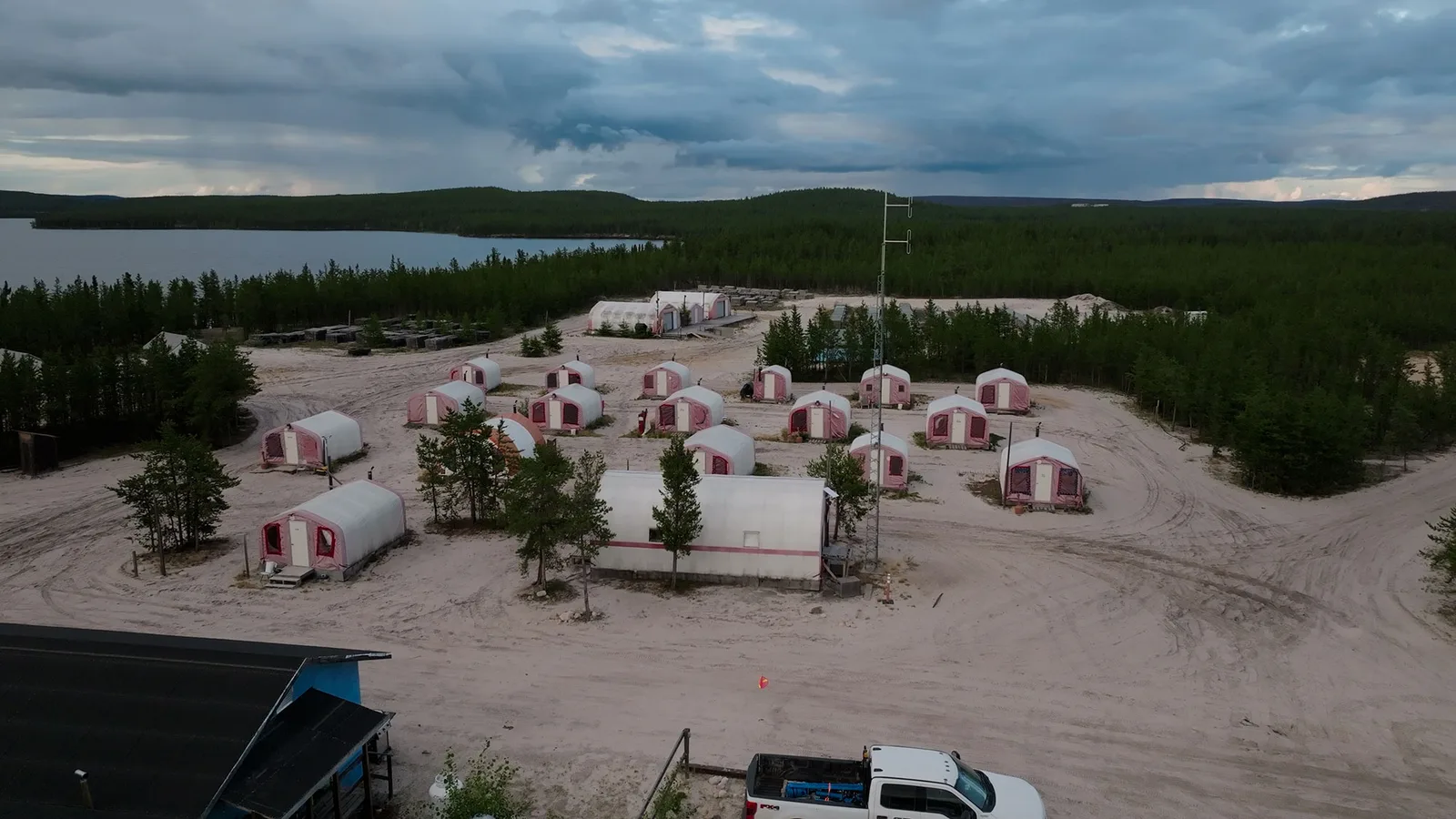
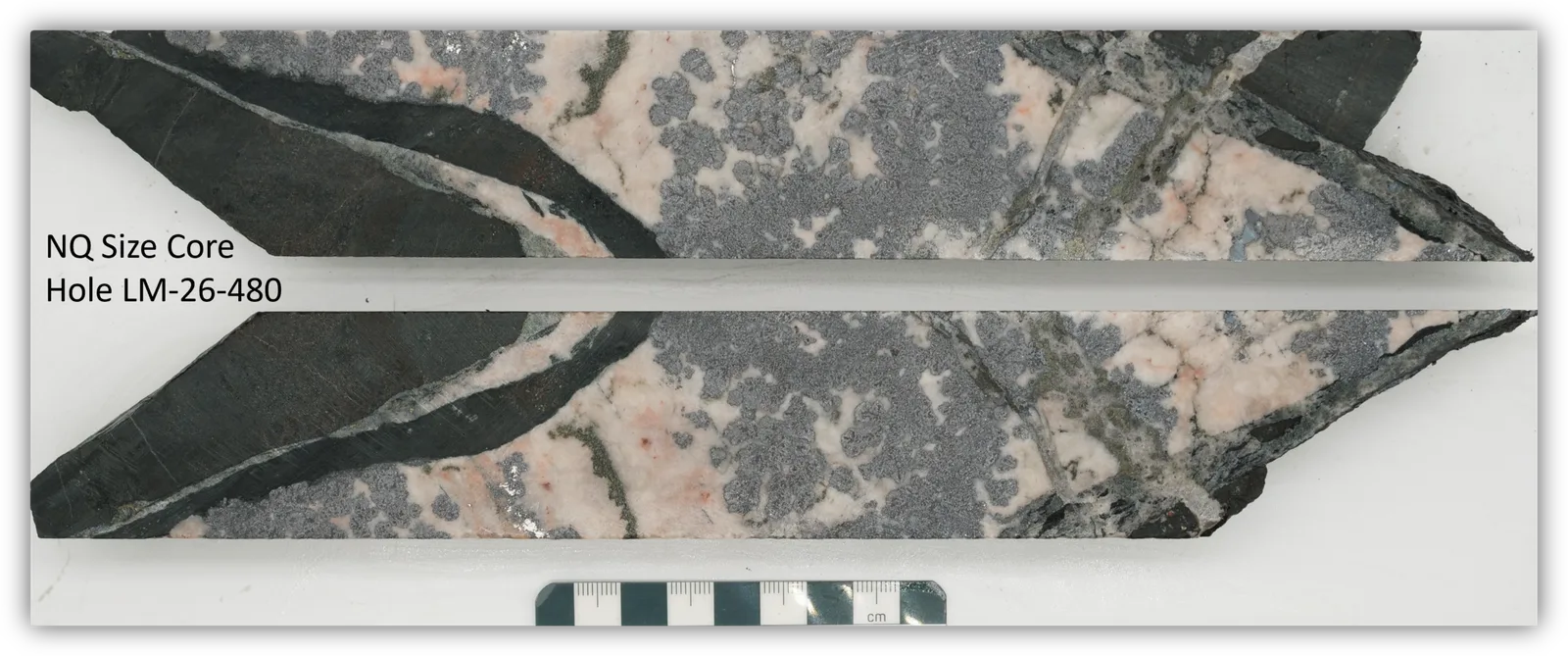
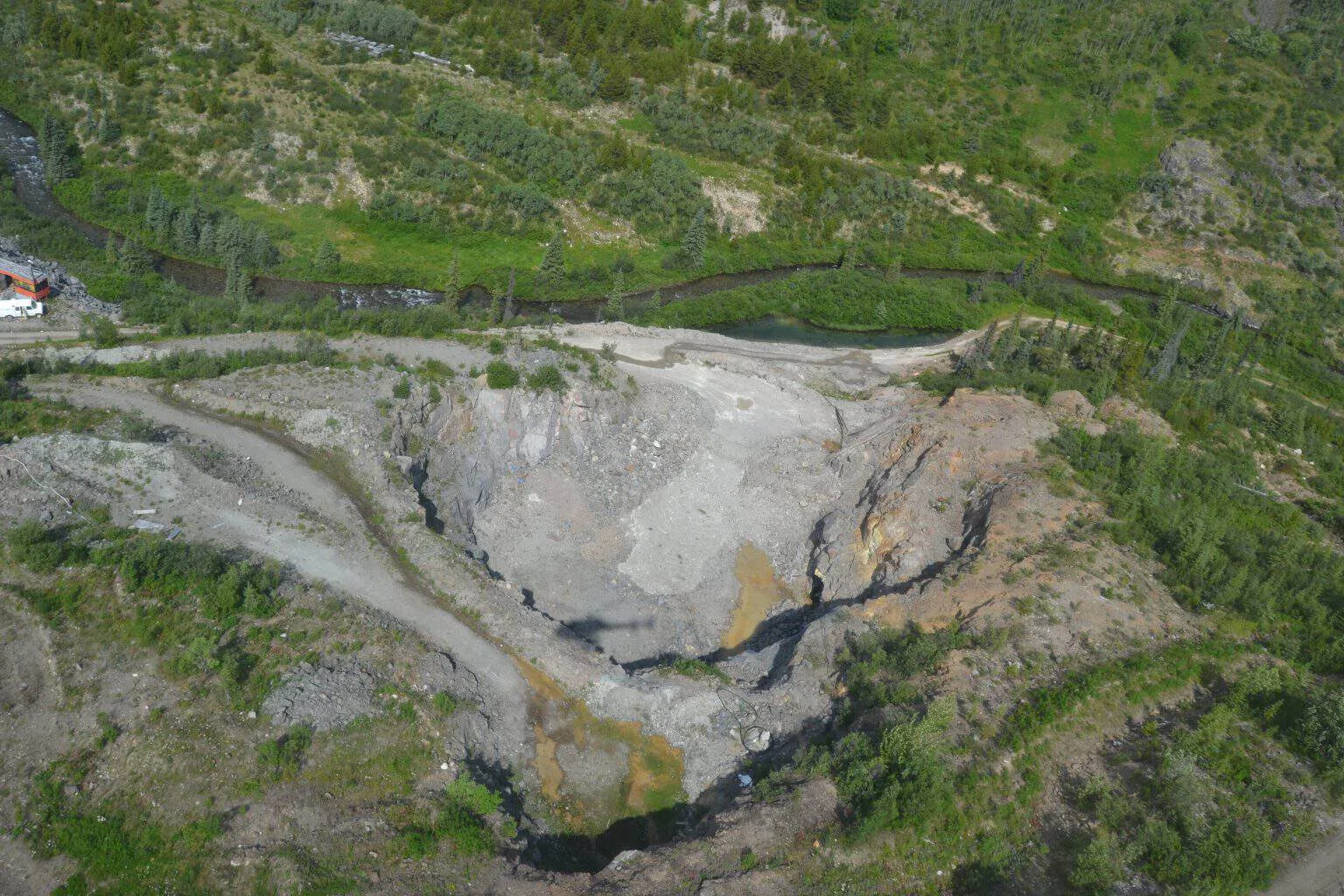
Haib lies in Namibia's Karas Region, about six kilometres north of the border with South Africa. It is a porphyry deposit: a huge body of rock with copper spread thinly through it, plus small amounts of molybdenum and gold. Falconbridge, Rio Tinto and Teck all drilled it before Koryx, the company said.
The study declares a first mineral reserve, the part of a deposit shown to be worth mining: 1.12bn tonnes of ore at 0.27% copper, holding about 3m tonnes of the metal. Put simply, each tonne of rock carries under three kilograms of copper. The wider resource, including less certain material, holds 4.35m tonnes of copper.
Haib makes money through scale. An open pit would feed a plant handling 48m tonnes of ore a year. Mining would run for 15 years after an initial phase of waste stripping, and stockpiled lower-grade ore would then keep the plant turning until year 24.
On paper the costs are low. The C1 cash cost, which covers mining, processing, site overheads and getting the concentrate to market, minus credits for the gold and molybdenum, would average $1.72 a pound in the first ten years. The all-in sustaining cost, which adds royalties, the export levy and ongoing capital spending, would be $2.07 a pound. Over the full life those rise to $2.19 and $2.52.
Water from the Orange River, power from the sun
The mine would need about 20m cubic metres of water a year, pumped from the Orange River only when it runs in surplus and stored in an off-channel dam for dry spells. Koryx has a signed memorandum of understanding with NamWater.
Power would arrive on a 220kV line from NamPower's Harib substation, backed by about 417 megawatts (peak) of solar panels and 361 megawatt-hours of batteries on site. The company expects those to cover roughly 45% of the mine's electricity over its life.
The model carries Namibia's 3% royalty, 1% export levy and 37.5% corporate tax. Another Namibian mine got the go-ahead recently, when Bannerman Energy approved its Etango uranium mine in October.
Permits, a final study and the money still to raise
A prefeasibility study is the middle rung of the ladder, and Koryx itself notes that it carries lower confidence than a full feasibility study. The model is unlevered, meaning it assumes no debt, and includes no streaming or offtake prepayment deals.
Heye Daun, president and chief executive, said: "We are very pleased with the excellent results of this PFS, which have far exceeded our initial expectations." He said the next 12 months would focus on the definitive feasibility study, raising finance and finishing permits, with early works late in 2027 and construction starting in the first quarter of 2028.
Koryx is targeting its mining licence and environmental clearance by mid-2027, and plans a review of strategic and financing options alongside the final study.
The study is frank about its weak spots. Water lost to evaporation at the tailings dam could squeeze supply, and recovery from oxide ore in the final two years is assumed until tests finish at the end of 2026.
For scale, the September study for Ivanhoe Electric's Santa Cruz project in Arizona put that mine at $1.5bn after tax, with a $1.43bn build cost. Koryx hosts a webinar on the results on Wednesday 18 November at 10:00 New York time.
More small-cap mining news sits in our Investing section.
What is Koryx Copper's Haib project worth?
Koryx's prefeasibility study puts Haib's post-tax net present value at $2.5bn, with a 25% internal rate of return, using copper at $5.00 a pound, below where the metal has traded this week.
When could construction of the Haib copper mine start?
Koryx targets its main permits by mid-2027, early works late in 2027 and construction from the first quarter of 2028. That depends on a final feasibility study and on raising the money for a $2.06bn build.
How much copper would the Haib mine produce?
The study forecasts about 130,000 tonnes of payable copper a year in the first 10 years and about 105,000 tonnes a year over the 24-year life of the mine.