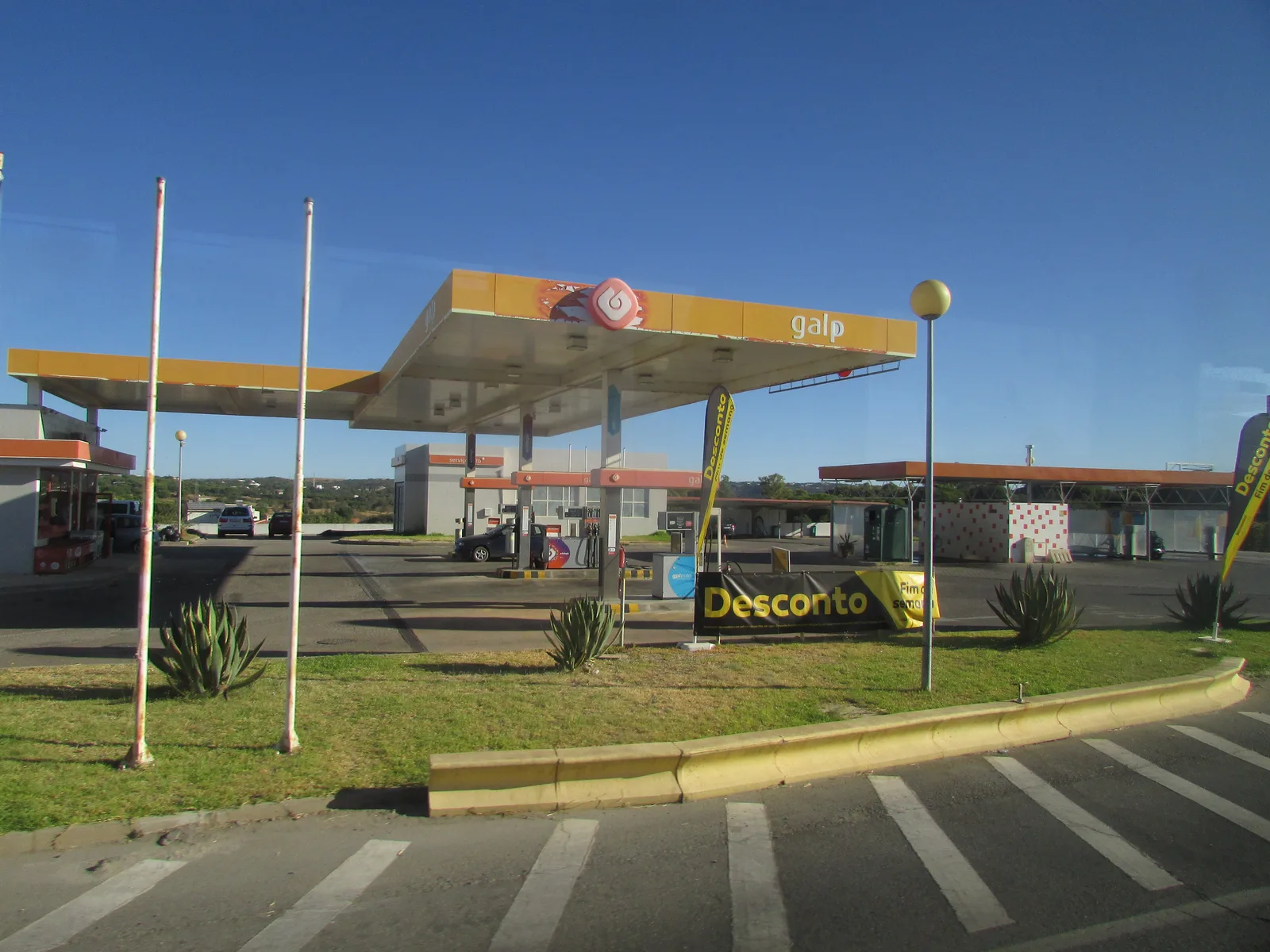
Diesel in Portugal rose 15 cents to a record €2.169 a litre on Monday, the steepest jump in four years, and angry drivers took to Lisbon's 25 de Abril Bridge to protest. Petrol climbed 12 cents to €2.142 a litre, its highest level since the 2022 energy crisis.
The figures come from projections published by the Automobile Club of Portugal (ACP) and are calculated before the government's exceptional cut to ISP, the tax on petroleum products. With that cut applied, the increase at the pump is 12 cents for diesel and 9 cents for petrol. Either way, diesel has never cost more in Portugal, according to calculations by the business paper Dinheiro Vivo.
The jump follows weeks of pressure from the conflict in the Middle East and the blockage of the Strait of Hormuz, the narrow sea lane through which a large share of the world's seaborne crude passes. Analysts also point to tight refining capacity, which hits diesel hardest: even when crude is available, there are only so many refineries able to turn it into road fuel.
Portugal at the pump, Monday 7 September
- €2.169 a litre of diesel, up 15 cents and a national record
- €2.142 a litre of petrol, up 12 cents
- 12 cents the diesel rise after the ISP tax cut
Horns on the bridge, a go-slow to Sines
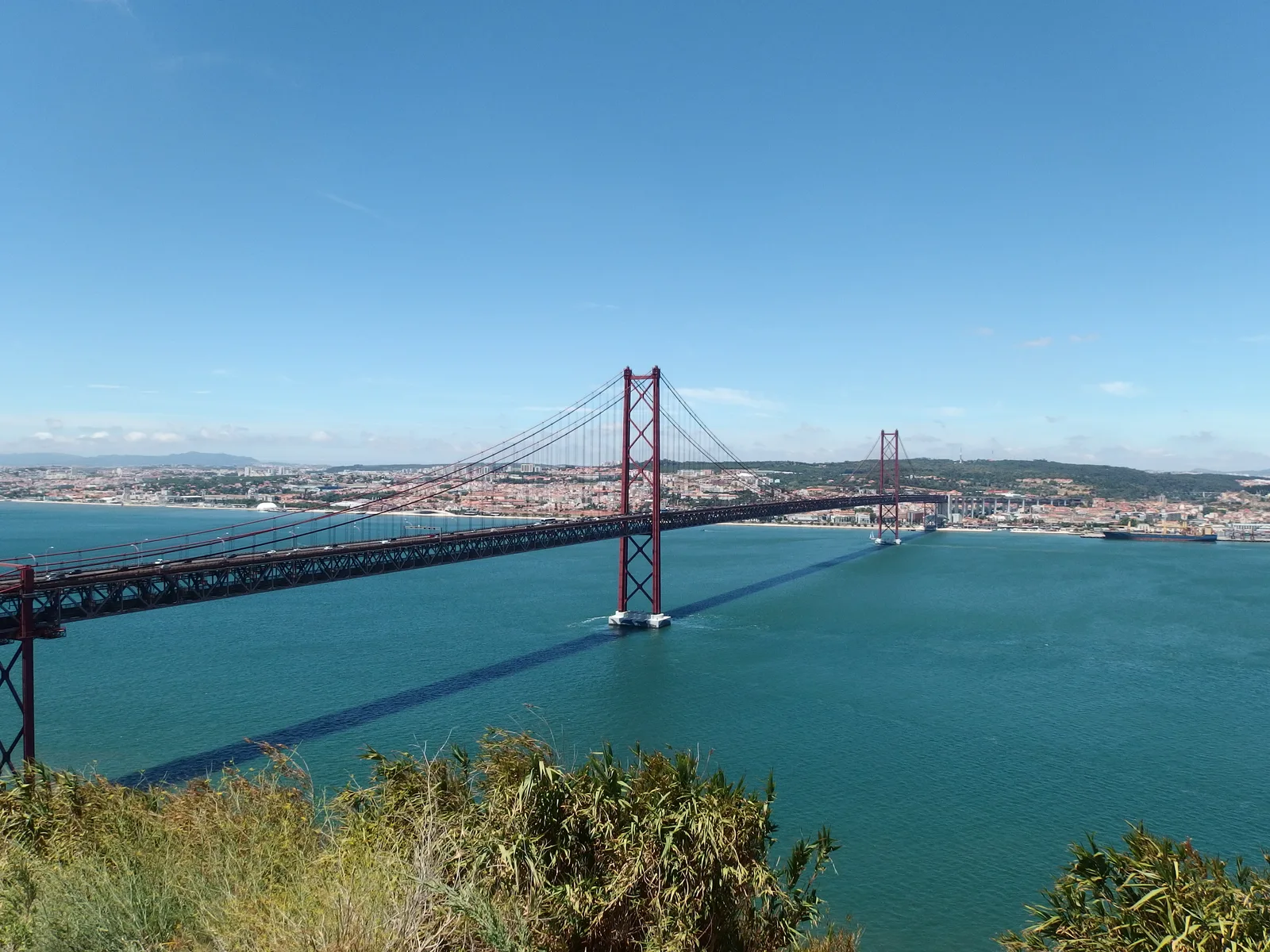
Drivers staged a horn protest on the 25 de Abril Bridge on Monday morning, as the new prices took effect. The suspension bridge carries commuters across the Tagus between Lisbon and Almada. A second action, a go-slow convoy heading for Galp's refinery at Sines on the Alentejo coast, was organised through WhatsApp groups and social media and had no fixed end time.
The National Republican Guard (GNR) put the number of vehicles taking part at between 60 and 100. Placards carried slogans against rising fuel prices and the strain on family budgets, according to the Lusa news agency.
The turnout was modest, but the protests show how quickly the cost of filling a tank has become a political issue again. For a driver putting 50 litres of diesel into a family car, a 15 cent rise adds €7.50 to a single fill-up, and close to €30 a month for someone who fills up weekly.
Germany breaks its 2022 record too
Portugal is not alone. In Germany, petrol has overtaken its previous record of €2.203 a litre set in March 2022, according to the Frankfurter Allgemeine Zeitung. That record was set in the weeks after Russia's full-scale invasion of Ukraine, when energy prices across Europe spiked.
By Monday, Portugal had the third most expensive petrol in Europe, behind France and Denmark. On diesel the country ranked a little lower, with the United Kingdom, Italy, France and Denmark all more expensive.
The gap with Spain, where drivers pay noticeably less, is a long-running sore point in Portugal. The difference comes mainly from tax rather than from oil companies widening their margins, according to a study published in mid-August by ERSE, the energy services regulator.
What the regulator found on pump pricing
ERSE said it found no evidence that fuel distributors were exploiting the situation. It also found no sign of so-called rockets and feathers pricing, where pump prices shoot up when crude rises but drift down slowly when it falls.
The regulator described Portugal's tax burden on fuel as broadly constant and in line with most countries in the European Union and the euro area. That finding matters for the debate that follows: if margins are not the problem, the main levers left to a government are tax cuts, which cost the budget, or targeted support for the households and sectors hit hardest.
Lisbon has used both. Besides the temporary ISP reduction, the government has extended its solidarity scheme for bottled gas cylinders, which many lower-income households rely on for cooking and heating, and has offered support to the agricultural and social sectors.
Six capitals push for an EU windfall tax debate
The pressure is also moving to Brussels. Ministers from Portugal, Germany, Italy, Austria, Poland and Spain have written to Ireland's finance minister asking for fuel prices to be discussed at the next meeting of EU finance ministers, due in Ireland on 18 and 19 September, according to AFP. Ireland currently holds the rotating presidency of the Council of the EU.
On the table is an extraordinary tax on the profits of oil companies, an idea that echoes the solidarity contribution the EU imposed on fossil fuel producers during the 2022 energy crisis. Any new levy would need broad support among member states, and in Portugal at least, ERSE's study points to tax and refining bottlenecks rather than distributor margins as the main drivers of the pump price.
For households, the immediate question is whether Monday's jump marks a peak. That depends largely on events in the Gulf and on how quickly refiners can supply more diesel to Europe. Until then, the ISP cut is the main cushion between drivers and the full rise.