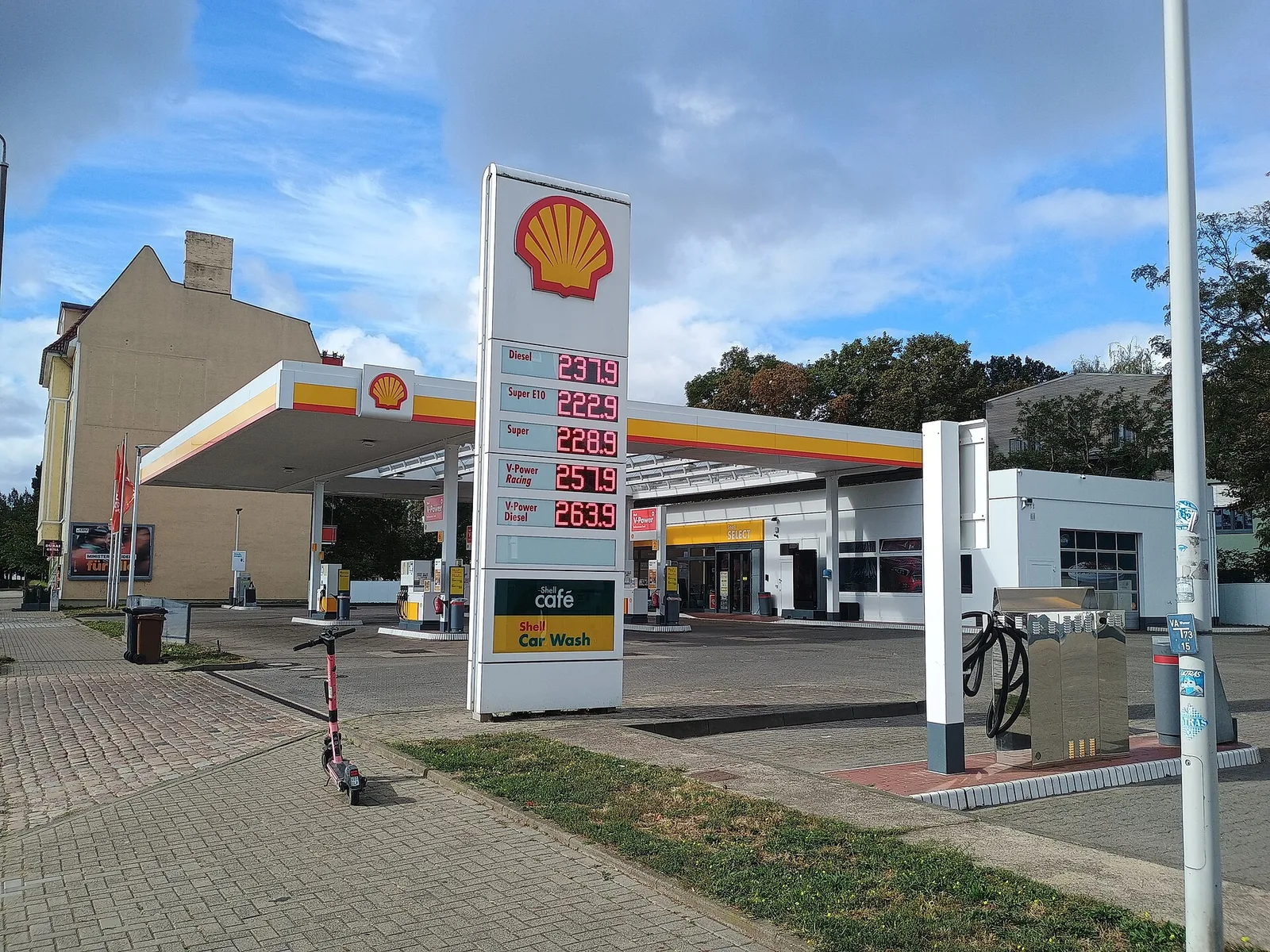
The average price of diesel across the European Union rose to a record €2.24 a litre this week, according to the European Commission's Weekly Oil Bulletin published on Thursday, with twelve member states setting all-time highs.
The EU average, which includes taxes and is weighted by each country's fuel consumption in 2024, rose by about one cent over the past week. It stood at €1.59 in February, before the US-Israeli strikes on Iran started the war in the Middle East, which means diesel now costs about 41 percent more than it did eight months ago.
For a driver filling a 50-litre tank at the EU average, that is a bill of €112, against €79.50 in February: an extra €32.50 every time the tank runs dry.
Where Diesel Costs the Most
Twelve countries recorded their highest diesel prices on record in the latest bulletin, including Belgium, Italy, Romania and Poland. The most expensive markets were in northern Europe, where Denmark, the Netherlands and Finland all passed €2.50 a litre.
| Country | Diesel price per litre | Recent change |
|---|---|---|
| Denmark, Netherlands, Finland | above €2.50 | highest in the EU |
| Germany | €2.44 | |
| Belgium | €2.43 | up from €2.39, a record |
| France | €2.37 | slight decline |
| Italy | €2.35 | up seven cents, a record |
| EU average | €2.24 | up about one cent, a record |
The French figure excludes overseas territories and Corsica. The Commission's numbers also leave out targeted support, such as France's assistance for drivers who cover long distances, so the price some households pay in practice is lower than the pump price suggests.
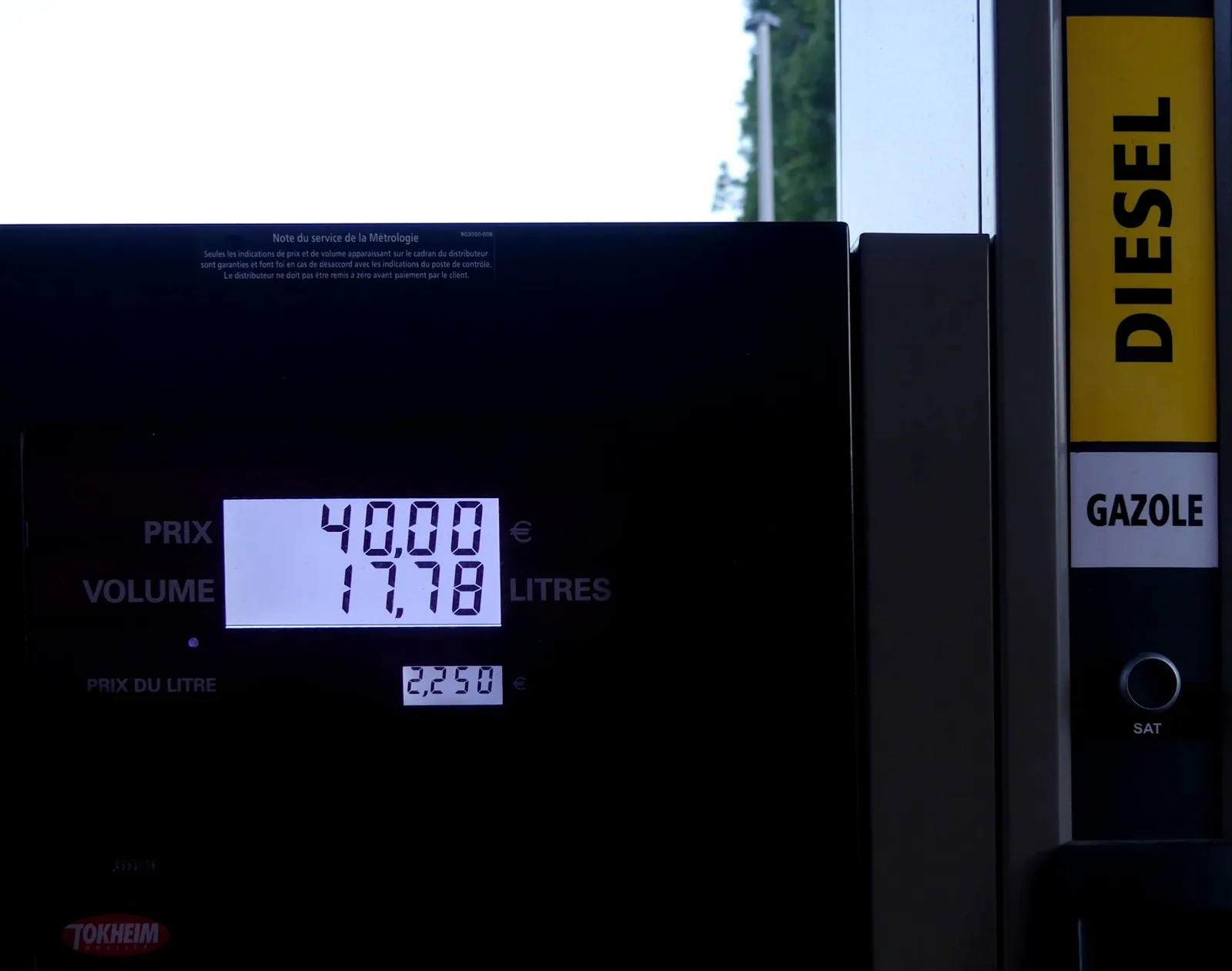
Taxes Make Up About 40 Percent of the Bill
Taxes vary widely between member states but account for about 40 percent of the average pump price across the bloc. At €2.24 a litre, that is roughly 90 cents. Fuel duties are usually set as a fixed amount per litre, while VAT rises with the price, so the tax take grows as diesel gets more expensive.
That has made fuel taxes the first lever governments reach for when prices spike. The trade-off is that duty cuts are costly for budgets already strained by higher borrowing costs, and they help every driver equally rather than those who need it most.
The burden is heaviest where incomes are lowest. A Euronews analysis found that filling a 50-litre diesel tank in Bulgaria now costs more than 15 percent of the country's gross monthly minimum wage. In richer northern countries the pump price is higher, but it takes a much smaller share of earnings.
Why Prices Keep Climbing
The main cause is supply. The Strait of Hormuz, the route for a large share of Gulf oil and fuel exports, has been effectively closed since the war began in February. A Houthi blockade of Saudi exports in the Red Sea and Ukrainian strikes on Russian refineries have removed further supply of refined products, and Europe relies on imports to cover a significant part of its diesel needs.
Refining margins, the gap between the cost of crude oil and the price of finished fuel, have stayed unusually wide. Staff at the European Central Bank told Euronews in September that, based on futures prices at the time, diesel margins were expected to peak in October. If that proves right, pump prices could start to ease later in the autumn even if crude stays high.
The crude market offers little relief for now. Brent was hovering around $100 a barrel on Thursday, with no deal yet to end the war with Iran.
The Knock-On Effect on Inflation
Diesel matters well beyond private cars. It powers lorries, vans, farm machinery and much of Europe's freight, so higher prices feed into the cost of food and goods with a delay of weeks or months.
The effect is already visible in the data. Spain's annual inflation rate jumped to 4.9 percent in September, according to a flash estimate from the national statistics institute, with higher fuel prices the main driver. EU Energy Commissioner Dan Jørgensen has warned that, although the bloc faces no imminent supply crisis, Europe faces a painful and expensive winter, and the International Energy Agency has said it could consider releasing more emergency oil stocks if disruption worsens.
For households, the next turning point is the weekly bulletin itself. A fall in refining margins would show up in pump prices first, well before any change in crude oil, and a peak in October would be the first good news for drivers since February.
Sources
- Euronews: No relief at the pump: EU diesel hits new record of €2.24 a litre
- Euronews: Oil hovers around $100 as US bonds suffer their worst quarter since 1994
- Euronews: Inflation in Spain surges to 4.9% in September on higher fuel prices
- Euronews: No energy shortages, but a painful winter looms for Europe, top EU energy leader warns
- Euronews: IEA could consider more oil reserve releases as Europe faces tough winter