Rents in the European Union rose 3 percent in the year to the second quarter of 2026, according to Eurostat. The average hides a sharp split: rents jumped 43.5 percent in Romania and 40.1 percent in Croatia, while in Finland they did not move at all.
Rents and house prices in the EU, year to Q2 2026
- 3.0% average rise in EU rents
- 43.5% rent rise in Romania, the EU's highest
- 4.7% rise in EU house prices
For most European tenants the headline figure looks moderate. Rents rose 0.7 percent in the second quarter alone, and the more recent monthly comparison tells a similar story: across the EU, rents in August were 2.9 percent higher than a year earlier.
The spread between countries is what stands out. In Romania and Croatia, rents rose by more than 30 percent even after adjusting for inflation. Romania's overall inflation rate was 9.5 percent and Croatia's 4.8 percent, so tenants there are paying far more in real terms, not just keeping pace with the cost of living.
Three Speeds of Rent Inflation in Europe
The Eurostat figures, compiled by Euronews Business, sort the EU into roughly three groups. At the extreme are Romania and Croatia. Next comes a cluster of mostly central, eastern and southern European countries where rents rose between about 5 and 10 percent. The large western economies sit close to or below the EU average.
| Country | Annual rent rise, Q2 2026 |
|---|---|
| Romania | 43.5% |
| Croatia | 40.1% |
| Slovenia | 10.0% |
| Bulgaria | 9.9% |
| Greece | 7.5% |
| Czechia | 6.2% |
| Portugal | 5.2% |
| Italy | 3.5% |
| EU average | 3.0% |
| Spain | 2.5% |
| Germany | 2.1% |
| France | 1.6% |
| Finland | 0.0% |
Slovakia and Lithuania both recorded 5.3 percent. Slovenia, in third place, still saw rents rise just over 6 percent after inflation. At the other end, rents in Belgium, Estonia, Finland and Luxembourg did not rise at all in real terms. Outside the EU, Turkey recorded 49.6 percent, though there general inflation was also above 30 percent.
Why Romania and Croatia Stand Out
Romania's government links the jump to higher administered rents, meaning rents for state or municipal housing. Not everyone accepts that explanation. "Public rental housing is too insignificant as a share of the housing stock," said Dr Adriana M. Soaita of the University of Glasgow. She suggests instead that newly built or fully renovated homes entering the rental market may be behind the steep rise in real terms.
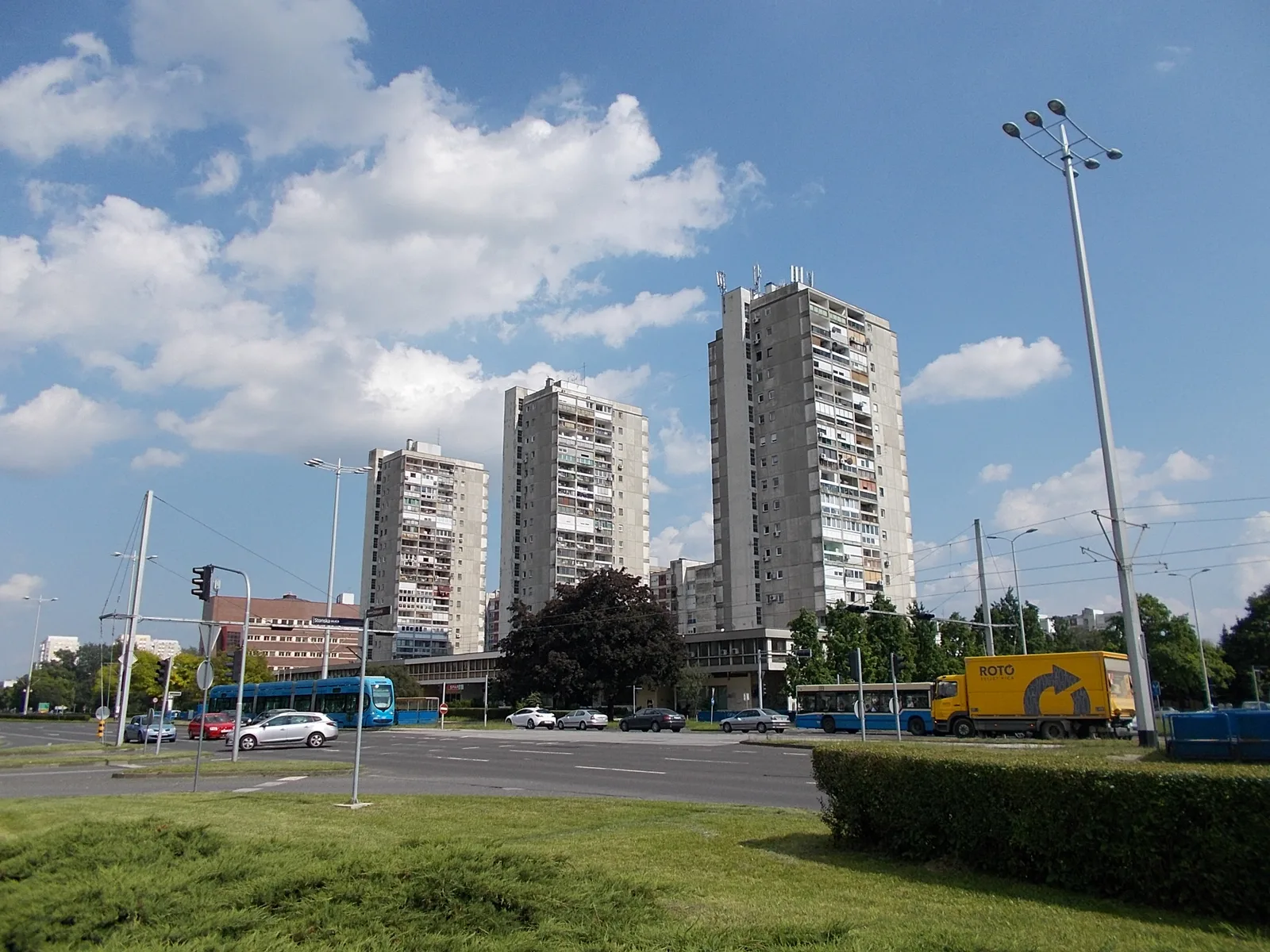
In Croatia, the data provider attributes the surge to a decision by Zagreb's local authorities to raise rents for social housing. Professor Gojko Bezovan of the University of Zagreb sees a broader story of financialisation: investment apartments and tourist property have become a dominant form of saving, and many units in new developments stand empty.
Policy has also changed the mix of homes on offer. A tax on vacant apartments took effect in 2025, and registered residential rental contracts rose in 2025 and 2026. That brought higher-quality flats onto the market at rents well above the average, which pushes up the measured figure.
The timing points to a step change rather than a steady climb. In the August comparison, Croatia's annual rent increase was a far more modest 4.3 percent.
The Big Economies Hold Closer to the Average
Among the four largest EU economies, only Italy, at 3.5 percent, rose faster than the EU average. Spain followed at 2.5 percent, Germany at 2.1 percent and France at 1.6 percent.
These national figures include millions of existing tenancies, where increases are often limited by contract terms, indexation or local rules. That damps the average. Emma Rosser, research director for living in Europe, the Middle East and Africa at the property adviser JLL, notes that Eurostat's figures for all lets show no strong hikes overall, but that growth in rents on new lettings is elevated and accelerating. People moving home therefore face a tougher market than the official average suggests, and today's new-let prices tend to feed into the wider figures over time.
The Forces Pushing Rents Up
Why rents keep climbing
- Scarce supply: strong competition for rental homes in Europe's big cities
- Dearer mortgages: higher borrowing costs since 2022 have kept would-be first-time buyers renting for longer
- Housing as an asset: institutional investors, private equity funds, REITs and buy-to-let owners treat homes as financial investments
- Tourist and investment flats: in places such as Croatia, homes are held for short-term lets or left empty
Dr Nóra Teller, a researcher at the Metropolitan Research Institute in Budapest, groups the causes into economic, demographic and supply-side factors. Years of cheap money encouraged households to take on property loans, until the cycle turned. When borrowing costs began rising in 2022, many first-time buyers could no longer afford to purchase and stayed in, or moved into, the rental sector, adding to demand for a limited stock.
The financial side matters as much as the physical one. When large investors buy homes as income-producing assets, rents are set with returns in mind, and in tourist areas a flat can often earn more from short-term visitors than from a year-long tenant.
House Prices Outpace Rents, Squeezing Buyers and Landlords
Eurostat's house price index shows prices climbing faster than rents. EU house prices rose 4.7 percent in the year to the second quarter and 1.2 percent on the previous quarter; in the euro area the annual rise was 4.0 percent.
The gap is widest in some of the countries with fast-rising rents. Portugal led the EU with house prices up 16.5 percent, against a 5.2 percent rise in rents. Bulgaria followed at 15.5 percent and Lithuania at 14.3 percent. Prices fell in only three member states: Finland, down 2.7 percent with rents flat, Luxembourg, down 2.2 percent, and France, down 0.8 percent.
When prices rise faster than rents, the rental yield on a property falls: a landlord earns less rent for every euro the home is worth. For households, it means the deposit and mortgage needed to buy keep moving further out of reach, which in turn keeps more people in the rental market and adds to the pressure on rents.
None of this changes the basic caution about national data: the Eurostat figures describe averages across whole countries, and the picture in capital cities and tourist hotspots is often tighter. For tenants on existing contracts, increases tend to be limited and gradual. For people looking for a new home, the faster growth in new-let rents is the more relevant signal.
For owners and investors, rising prices alongside slower rent growth point to thinner rental returns in much of the EU, with the notable exceptions of Romania and Croatia, where rents have jumped in a single year. Eurostat's next update of the house price and rent index is planned for January 2027.