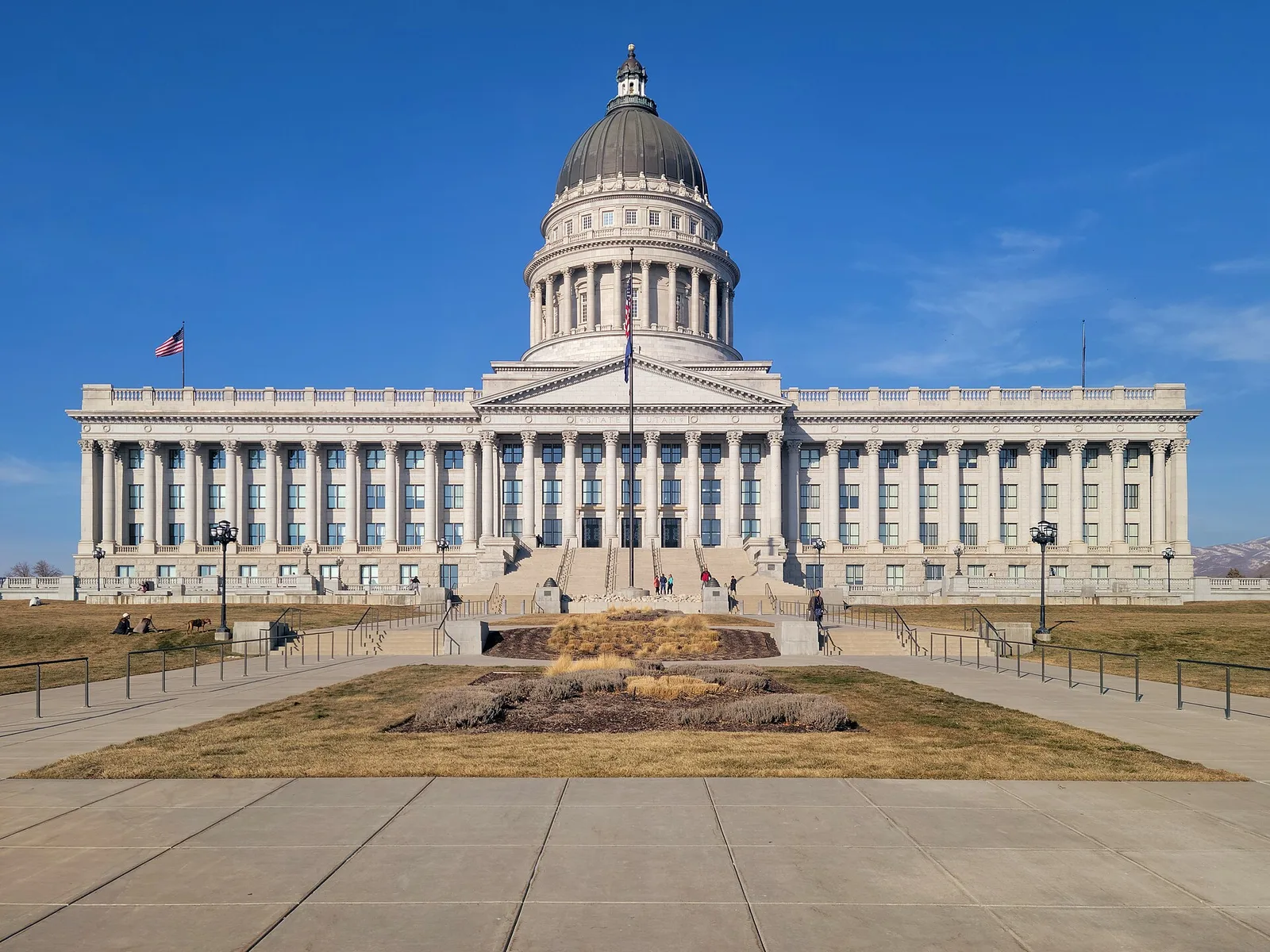
Utah has approved a post-performance tax credit of about US$212m for Anson Resources' Green River lithium project, on top of a property-tax incentive of up to US$194m agreed days earlier. The support is worth about US$406.5m in total, but it is only paid once the plant is built and running.
What Utah approved
Anson Resources, an Australian-listed lithium developer whose shares also trade over the counter in the US as ANSNF, said the board of the Utah Governor's Office of Economic Development (GOED) had approved a tax credit of about US$212m for its Green River Lithium Project.
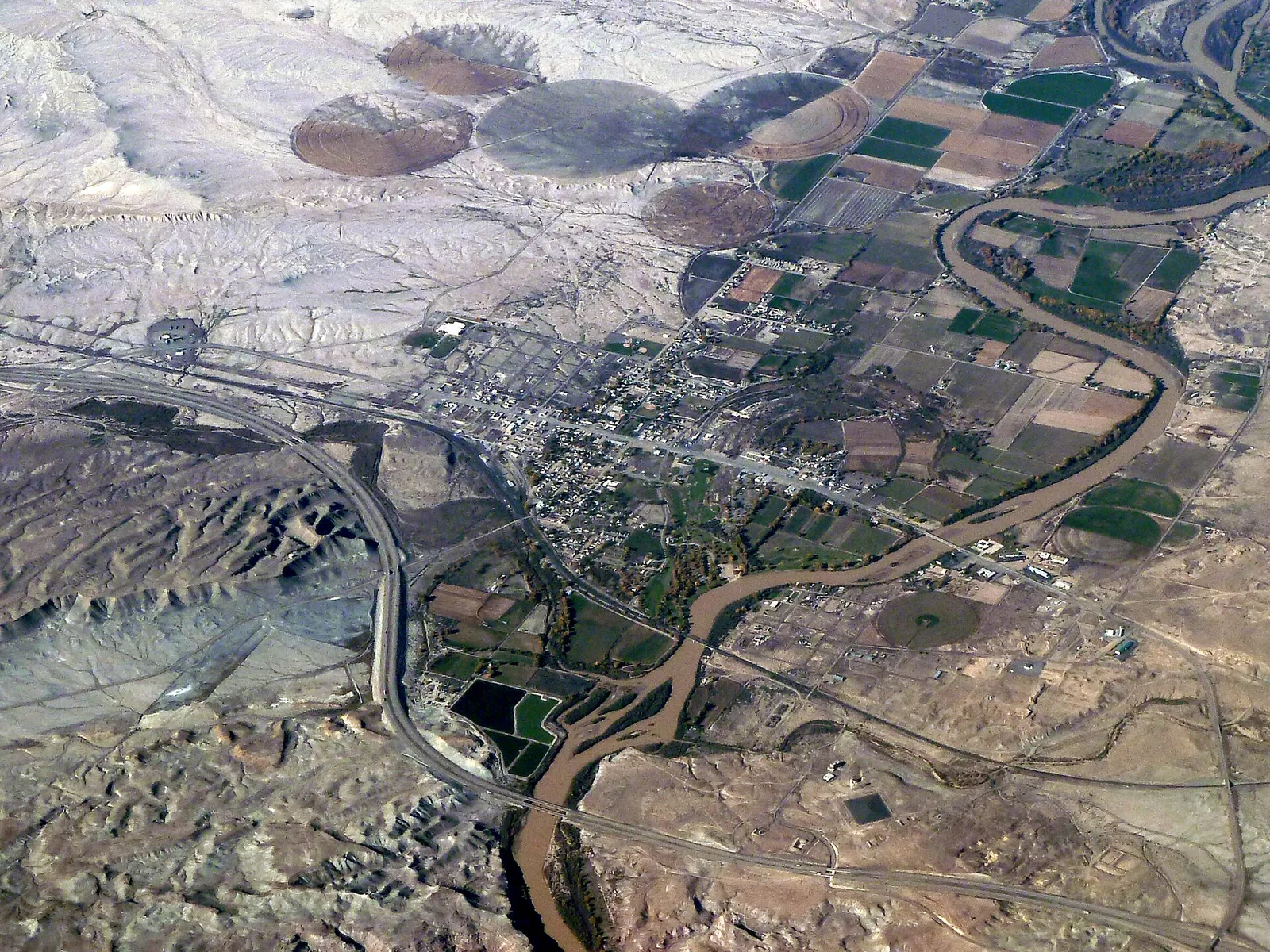
The project is being developed by A1 Lithium Inc., Anson's wholly owned US subsidiary. Green River is in the Paradox Basin in eastern Utah, in Emery and Grand counties.
The credit comes from Utah's Rural Economic Development Tax Increment Financing programme, known as REDTIF, which is meant to encourage businesses to set up in smaller communities. Anson was granted 50% of the incremental state taxes the project is expected to generate. The state projects those taxes at about US$425m over 20 years of operation.
Executive chairman and chief executive Bruce Richardson said the award showed the "strong support that Anson has received from the Government of Utah".
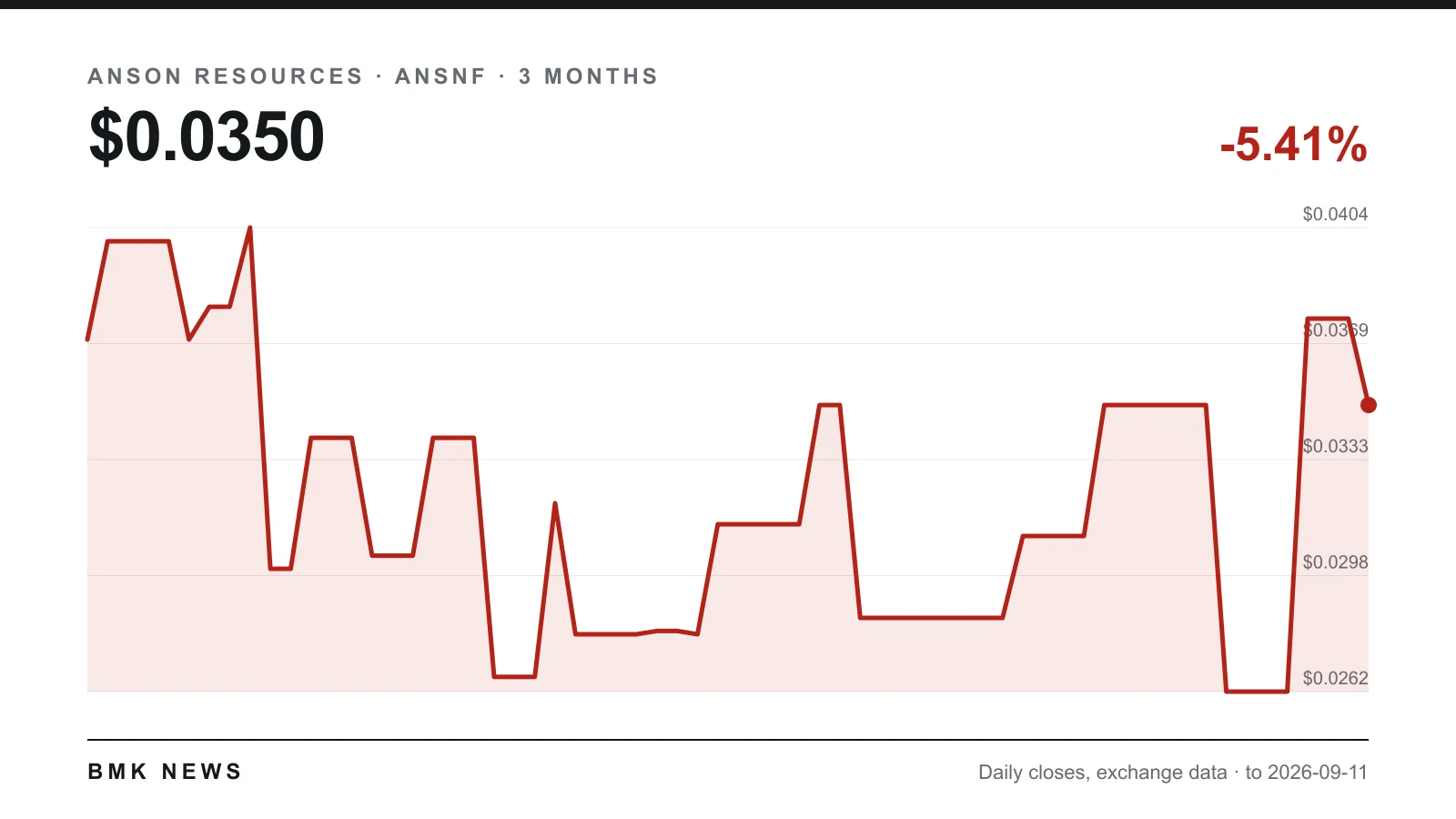
Anson Resources: share price, chart and news
Two incentives, one condition
Utah support for Green River
- US$212m REDTIF tax credit approved by the GOED board
- US$194m cap on the Utah Inland Port Authority incentive
- US$406.5m combined, all paid after performance
The tax credit follows an incentive from the Utah Inland Port Authority (UIPA), announced earlier this month, which is capped at US$193,995,683. Together, Anson put the two packages at US$406,514,271, or about A$569m.
The key word is post-performance. The GOED credit is refundable only after the project pays state taxes, and the port authority incentive works as a rebate on property tax once the project is complete. Neither gives Anson cash today.
Anson said the financial effect of the incentives will be assessed in its definitive feasibility study (DFS) for Green River, which is under way. It is still negotiating other incentive programmes with the state and said it will update the market when those talks end.
Where Green River stands
Anson released a scoping study for Green River in May, prepared by engineering firm Burns & McDonnell. It targets a plant producing 10,000 tonnes a year of lithium carbonate equivalent (LCE) using direct lithium extraction, over a 20-year life.
The study estimated a C1 operating cost of US$3,837 a tonne and upfront capital of about US$569m, including contingency. In its base case it gave a pre-tax net present value of US$1.37bn at an 8% discount rate and a post-tax value of US$896m. Those figures predate the Utah incentives.
A scoping study is a preliminary assessment. Anson itself warned that it is based on low-level technical and economic work, is not enough to support an ore reserve, and that part of the production target rests on inferred resources, which carry low geological confidence.
The funding gap
The incentives improve the project's long-term economics but do not solve the near-term problem: paying for construction. Anson's own scoping study said funding of about US$568m would likely be needed, that there is no certainty the company can raise it, and that it may come on terms that dilute existing shareholders.
For a small company, that is the central risk. The project still needs a completed DFS, binding offtake and financing agreements, and a final investment decision before construction can start. Lithium prices, which drive the study's returns, have also been volatile.
Anson has said it wants to keep dilution low by leaning on non-share funding, including these state incentives and a facilitation fee from South Korea's POSCO Holdings, which plans to build and run its own demonstration plant at Green River.