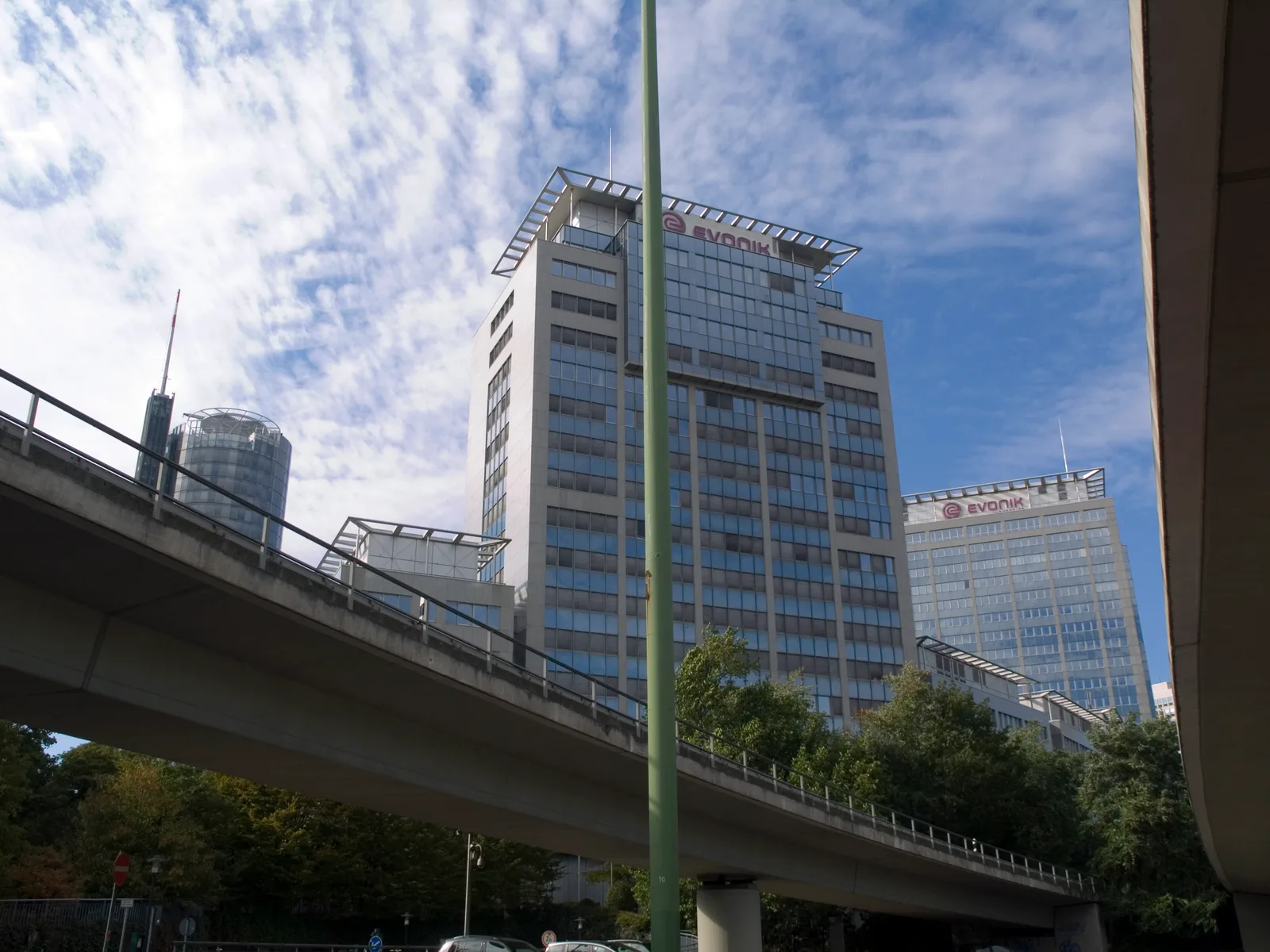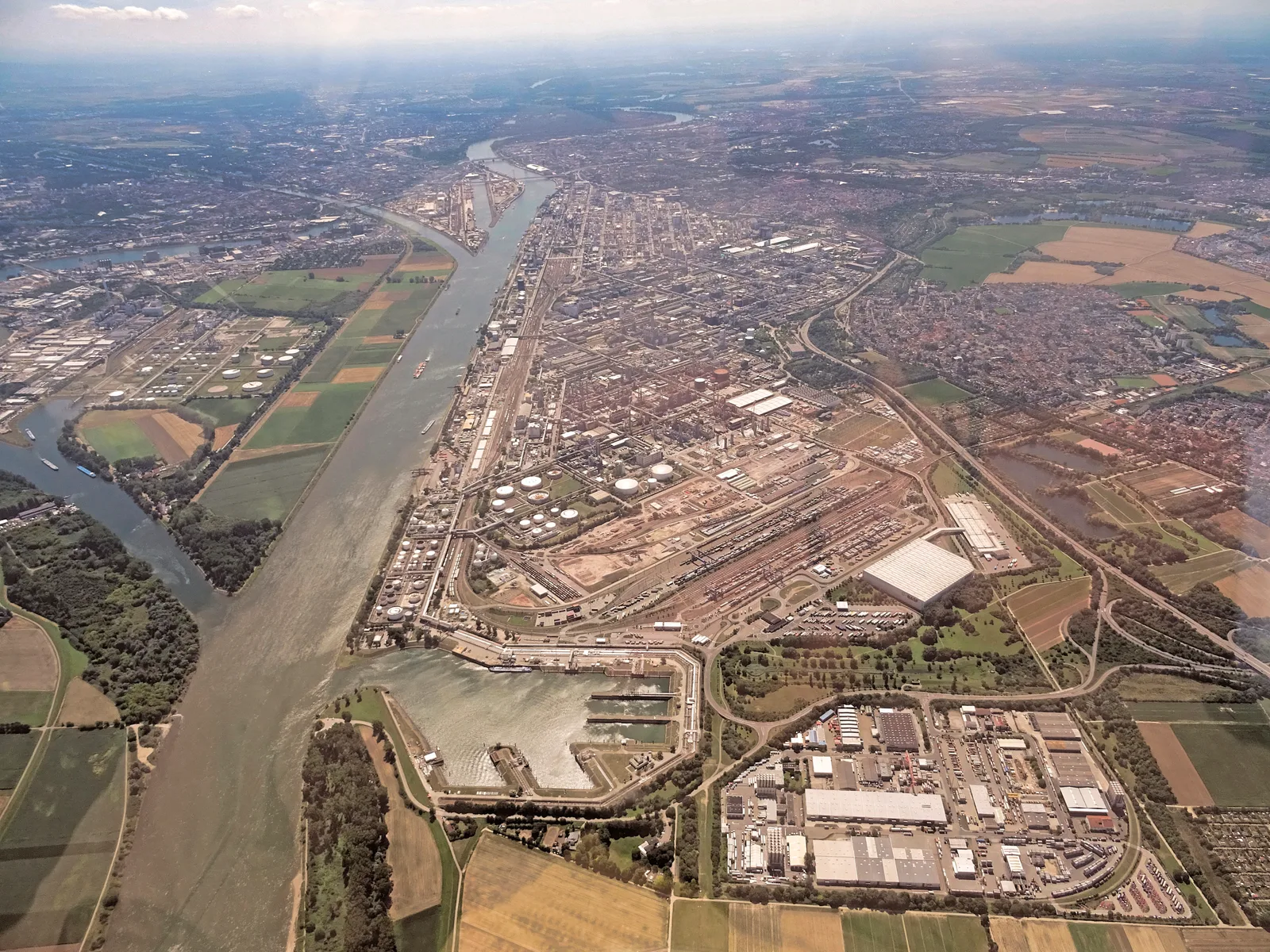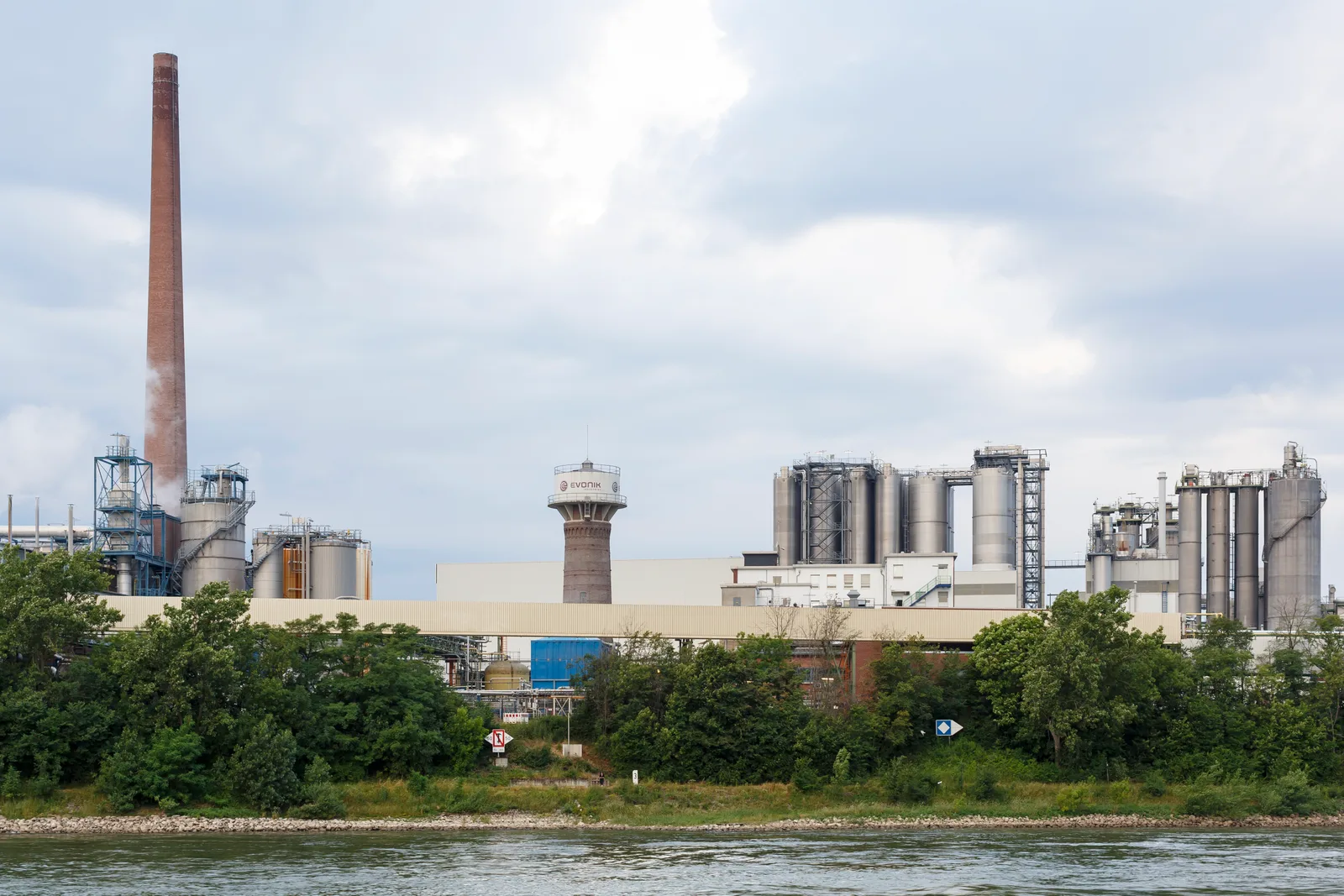
BASF has ended its attempt to buy Evonik, walking away from a €24-a-share cash approach worth about €11.2bn after the Essen-based specialty chemicals maker turned down two offers. Evonik shares fell as much as 23% on Thursday 19 November, to their lowest level in almost four months, as the hope of a takeover drained out of the price.
BASF and Evonik in numbers
- €24 a share: BASF's second and final all-cash approach, which Evonik rejected
- 23% the steepest fall in Evonik's shares on Thursday afternoon
- 11,000 Evonik employees in North Rhine-Westphalia, cited by the state's premier
Why BASF ended its bid for Evonik
BASF said on Thursday afternoon that it would stop trying to buy its smaller rival. It had made two non-binding all-cash offers, and both were turned down. BASF said it had signalled it was prepared to consider "a further moderate increase", but that Evonik's executive board had "not shown meaningful engagement until today".
In the end it came down to price. BASF said its own assessment of Evonik's standalone prospects, and the risks attached to them, did not justify a higher valuation, and that paying more would not be in the best interests of its shareholders.
Markus Kamieth, chairman of BASF's board of executive directors, did not concede the argument. "We are convinced that BASF's derisked all-cash offer of 24 euros per share would have represented significant additional value for Evonik shareholders," he said. He added that BASF still believes the combination would create a more powerful chemical company.
The Ludwigshafen group presented the retreat as discipline. Under its Winning Ways strategy, BASF has always described acquisitions as a "could do" rather than a "must do", and it said walking away underlines its commitment to careful use of capital and attractive payouts to shareholders. Its own business has been doing better: BASF raised its 2026 profit forecast in October.
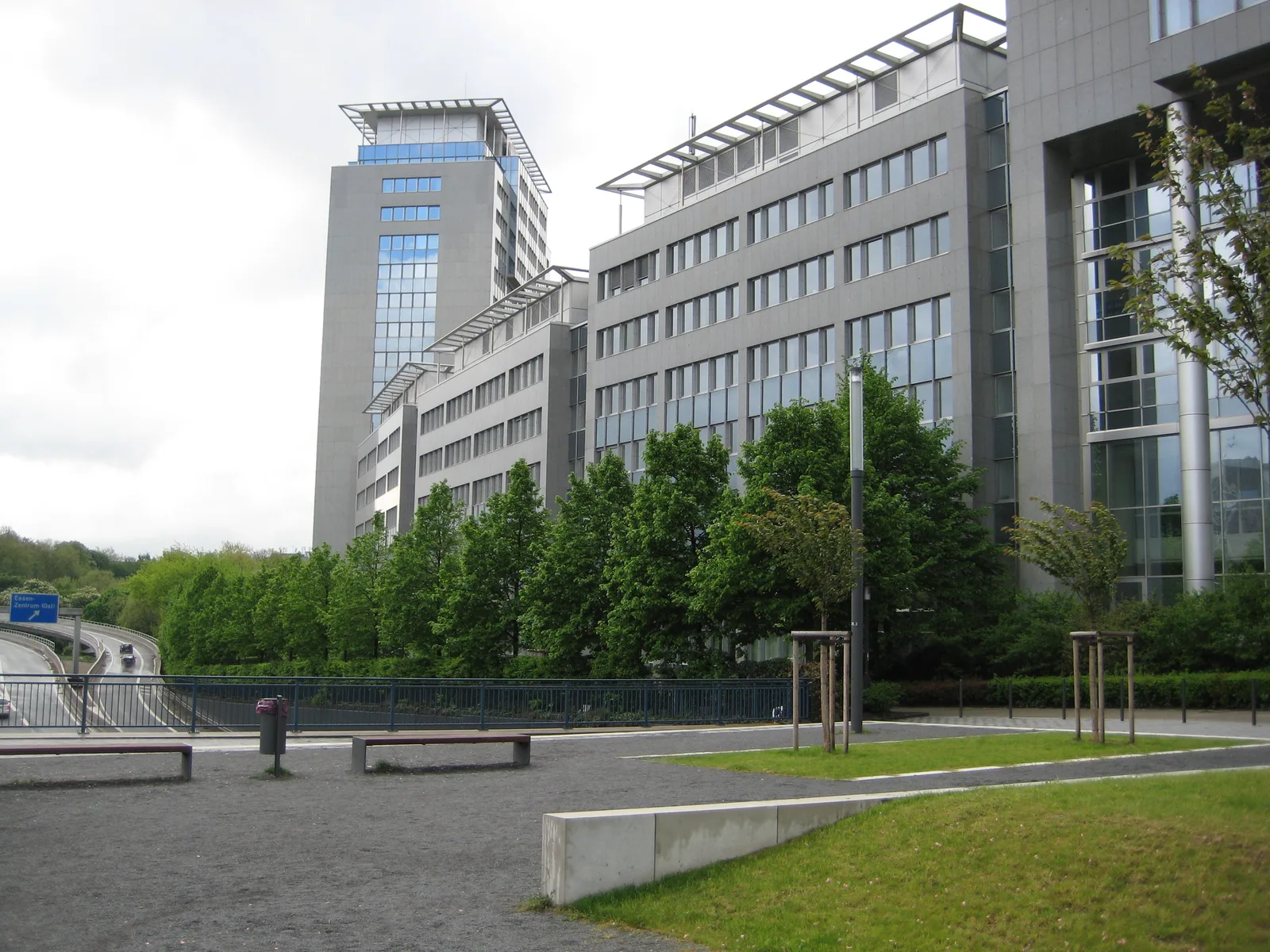
How far Evonik shares fell after BASF walked away
Evonik's shares dropped by up to 23% in afternoon trading, according to dpa-AFX, to their lowest point in almost four months. They later recovered part of the loss and were trading a good 17% lower at €18.01. Evonik did not have an immediate comment, Reuters reported.
That price sits about 25% below the €24 BASF had put on the table, a measure of how much of Evonik's value had rested on a deal. The run-up started early: on Friday 25 September, the day BASF confirmed exploratory talks, Evonik closed 7.2% higher, extending a rally that traders told Reuters was partly driven by takeover speculation.
BASF's own shares barely moved. They jumped briefly after the announcement, then gave most of it back and were up 0.3% later in the afternoon, dpa-AFX reported.
How the BASF and Evonik takeover fight unfolded
BASF's first approach, at €22.15 a share, was rejected in September. When BASF confirmed exploratory talks on 25 September, Evonik was worth about €9.2bn on the stock market and BASF about €45.8bn, according to Reuters. The RAG Foundation, which holds 43% of Evonik, said at the time that BASF had contacted it too.
In October BASF came back with €24 a share, or about €11.18bn, and said it would honour Evonik's existing agreements to protect jobs. Evonik's board turned down the raised €24 offer at the end of October, saying it remained focused on developing Evonik as an independent company.
BASF then tried a softer route. According to people familiar with the matter cited by Reuters, it wrote to the government of North Rhine-Westphalia, Evonik's home state, and to the RAG Foundation, offering possible commitments on plants, jobs and training. As recently as Tuesday, Reuters reported that BASF was preparing to offer further concessions. Two days later, it gave up.
The road to Thursday's retreat
- September: BASF's first approach at €22.15 a share is rejected
- October: a raised offer of €24 a share, about €11.2bn, is also turned down
- Tuesday 17 November: Reuters reports BASF is preparing further concessions
- Thursday 19 November: BASF ends its pursuit
The politics around Evonik's 11,000 jobs in North Rhine-Westphalia
The approach ran into open political resistance. North Rhine-Westphalia's minister-president, Hendrik Wüst, said he wanted "this industrial core to remain here in North Rhine-Westphalia", according to CHEManager, and described himself as very sceptical of a takeover. He pointed to the roughly 11,000 people Evonik employs in the state. The state's economy minister, Mona Neubaur, went further. "We reject a takeover by BASF," she told Reuters, as quoted by CHEManager.
BASF did not mention the politics in its statement, and CHEManager noted that it is not known how far the opposition weighed on the decision. Other bidders for German companies have had more luck with promises: this week UniCredit won Berlin's backing for its Commerzbank bid after pledging a Frankfurt listing and German board members.
For Evonik, attention now turns back to its own plan. Its shareholders, the RAG Foundation first among them, will judge whether going it alone is worth more than the €24 a share they were offered. Further company news is in the Business section.
Why did Evonik shares fall today?
Evonik shares fell as much as 23% on Thursday 19 November 2026 after BASF said it had ended its effort to buy the company. Traders had said in September that part of Evonik's earlier rally was driven by takeover speculation.
How much did BASF offer for Evonik?
BASF's last offer was €24 a share in cash, valuing Evonik at about €11.2bn. Its first approach, at €22.15 a share, was rejected in September, and Evonik turned down the higher offer at the end of October.
Who is Evonik's largest shareholder?
The RAG Foundation is Evonik's largest shareholder, with a 43% stake according to Reuters. BASF contacted it directly during its pursuit.
Sources
- BASF: BASF ends efforts to acquire Evonik and reaffirms disciplined approach to capital allocation
- dpa-AFX via ARIVA.DE: AKTIEN IM FOKUS: Evonik bricht ein - BASF saht Übernahme ab
- Global Banking & Finance Review: BASF Ends $12 Billion Evonik Acquisition Effort After Rejection
- CHEManager: BASF Backtracks: No Takeover of Evonik
- Reuters via Euronext: Germany's BASF approaches Evonik to create global chemicals giant
- Reuters via Euronext: Evonik rejects BASF bid despite sweetened $12.5 billion terms