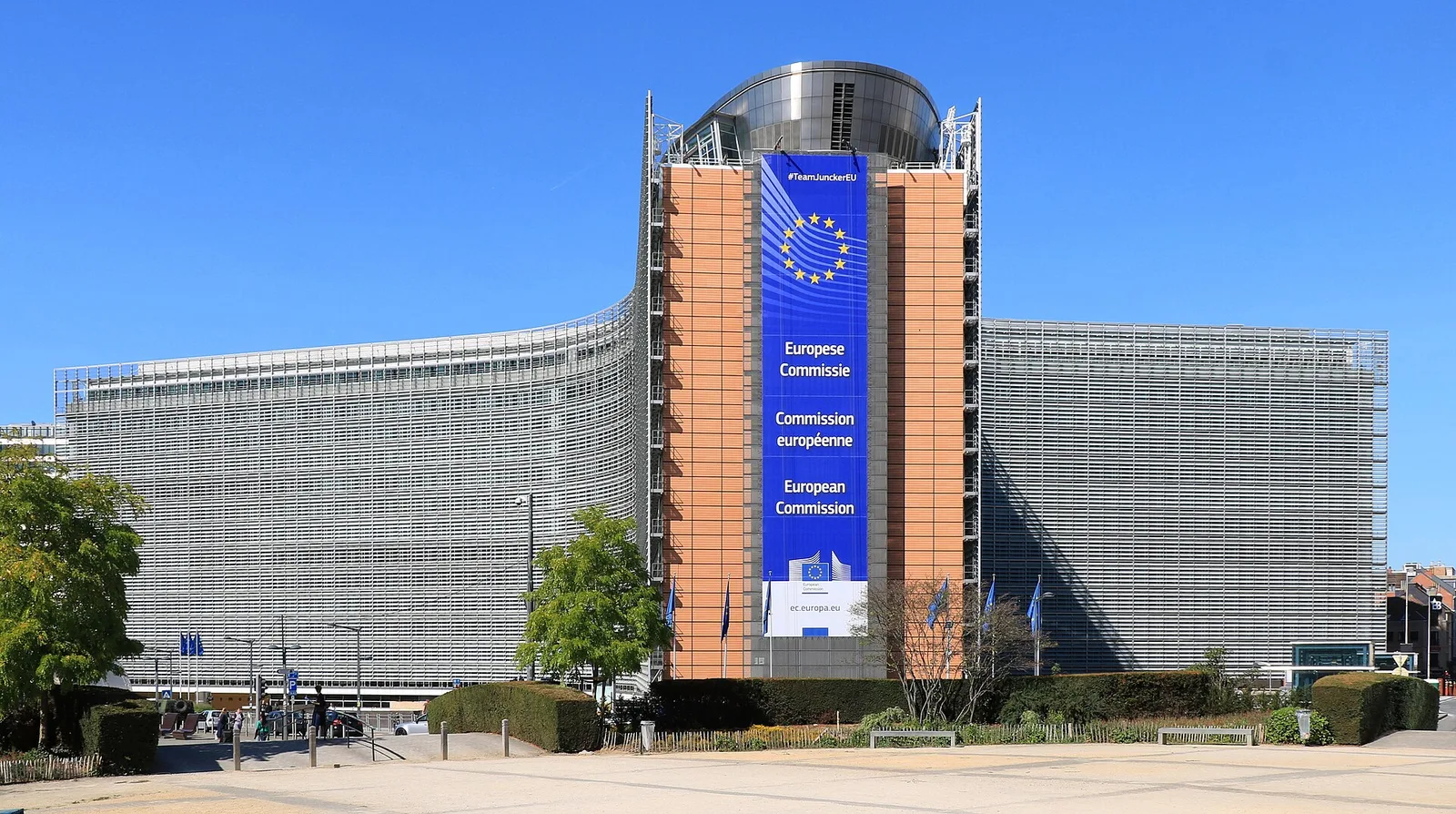
Households in the euro area grew gloomier in October: the European Commission's flash consumer confidence indicator fell 1.1 points to -17.9, the lowest reading since May and weaker than economists had expected.
A Sharper Drop Than Forecast
The flash estimate, published by the Commission on Thursday afternoon, compared with -16.8 in September. Economists had pencilled in a reading of about -17.0, according to Trading Economics. For the European Union as a whole the indicator fell 1.2 points to -17.3, from -16.1.
Both readings remain well below the long-term average. They are still some way above the record low of -27.5 set in September 2022, during the energy price shock that followed Russia's full-scale invasion of Ukraine, but the direction of travel this month was clearly downward.
Euro area households, October 2026
- -17.9 flash consumer confidence, lowest since May
- -1.1 points, change from September
- 3.8% euro-area inflation in September

What the Survey Measures
The indicator comes from a monthly survey of households in every member state. It averages the answers to four questions: how a household's finances have changed over the past year, how they are expected to change over the next twelve months, how people see the general economic outlook for their country, and whether they plan major purchases such as furniture, cars or appliances.
The flash release gives only the headline number. The full breakdown by question and by country follows on 29 October with the Commission's Economic Sentiment Indicator, which will show whether the October slide came from personal finances, from views of the wider economy or from fewer plans to spend on big-ticket items.
Prices and Interest Rates Squeeze Budgets
The backdrop is a cost-of-living squeeze that has returned this year. Euro-area inflation was 3.8 percent in September, Eurostat confirmed on 16 October, with energy prices up 18.9 percent from a year earlier. Core inflation, which strips out energy, food, alcohol and tobacco, was a more moderate 2.5 percent. Inflation is well above the European Central Bank's 2 percent target, driven by energy prices that have climbed with the fighting in the Middle East.
The ECB has responded by raising rates twice this year, each time by a quarter point, taking its deposit rate to 2.50 percent from 16 September. That helps savers whose bank accounts track official rates, but it raises costs for borrowers. The effect is most direct in countries such as Spain, Portugal and Finland, where many mortgages are tied to Euribor and repayments adjust as money-market rates move.
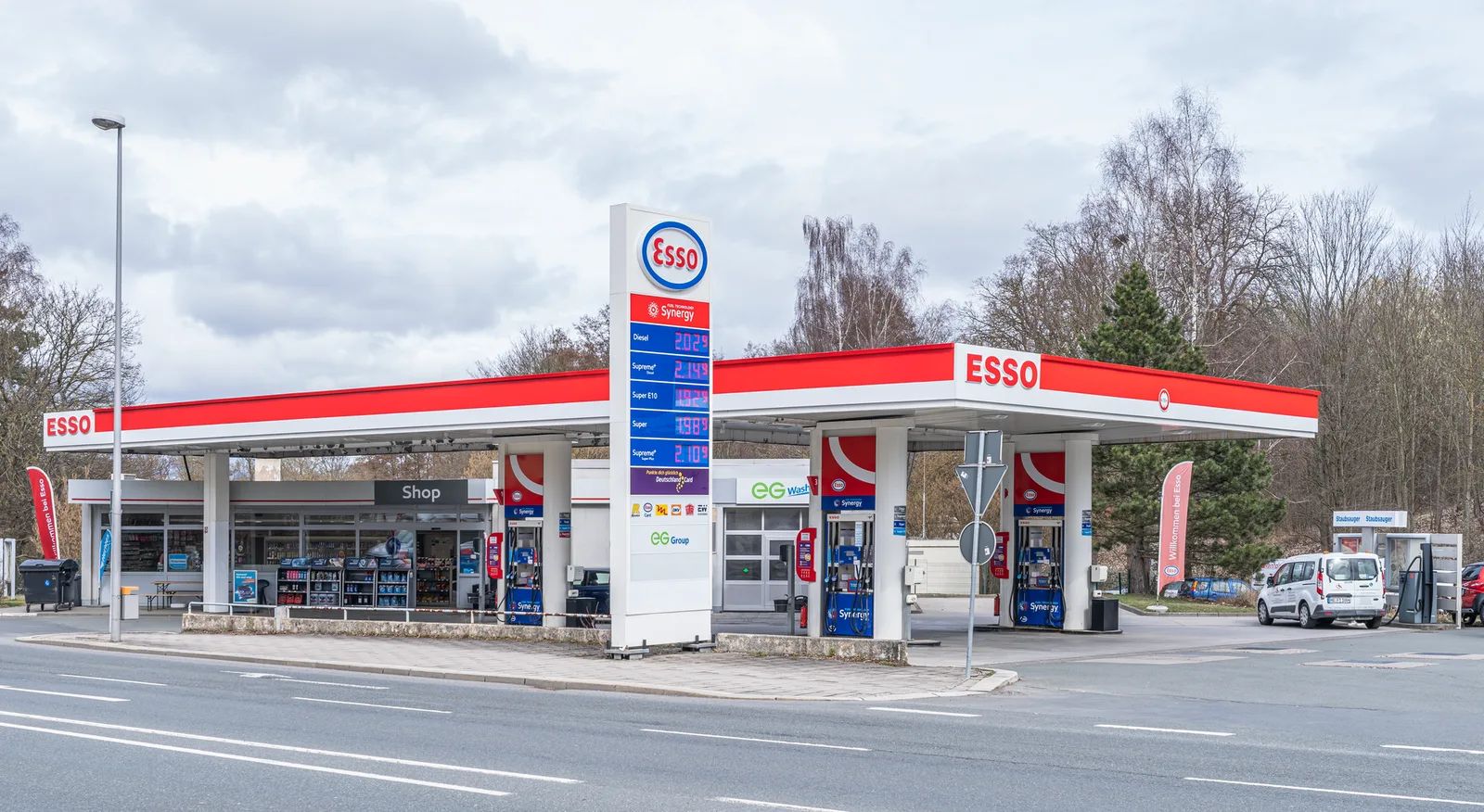
For most families the more immediate pressure is at the fuel pump and in heating and electricity bills. Energy price increases of the size seen in September leave less room for other spending, which is the channel through which a fall in confidence usually shows up in shop tills.
Why It Matters Before the Holiday Season
Household spending is the largest component of euro-area economic output, so a more cautious consumer weighs directly on growth. The timing is awkward for retailers heading into the final quarter, when Christmas trading accounts for a large share of annual sales in many European countries.
The survey does not always translate one for one into spending. Households can report gloom while still spending, especially when jobs are secure and wages are rising. But a fresh drop in confidence, combined with higher borrowing costs and energy bills, makes a strong holiday season harder to count on.
There is also a savings angle. When households feel less sure about their finances, they tend to put more aside as a buffer rather than spend it, and higher deposit rates after the ECB's two increases make saving more rewarding than it was a year ago. That combination can keep money in bank accounts that would otherwise flow to shops, travel and restaurants. For banks and retailers alike, the question is whether October's dip is a reaction to a month of high fuel prices or the start of a more lasting change in behaviour.
The next markers come quickly. The ECB's Governing Council meets on 29 October, the same day the full survey results are published, and policymakers will weigh weaker household morale against inflation that remains well above target. Flash inflation figures for October are due in early November.