Ionic Rare Earths, the Australian company developing a rare earth magnet recycling plant in Belfast, plans to list its shares on London's AIM market alongside its ASX listing. It has hired Peel Hunt and Canaccord Genuity and is aiming for admission in the fourth quarter of 2026, subject to regulatory approvals.
The Plan
In an ASX announcement dated 1 October, the board of Ionic Rare Earths (IonicRE), listed in Sydney as IXR and quoted in the US on the OTCQB as IXRRF, said it was advancing an application for its shares to be admitted to trading on AIM, the London Stock Exchange's market for growing companies.
The ASX listing stays. The company described the AIM listing as complementary to it, meaning the same shares would trade in both Australia and London. Peel Hunt and Canaccord Genuity will advise on the admission, which IonicRE is targeting for the fourth quarter of 2026, subject to customary regulatory approvals. It did not give an exact date or say whether new shares would be sold at the same time.
Ionic Rare Earths: share price, chart and news
Why London
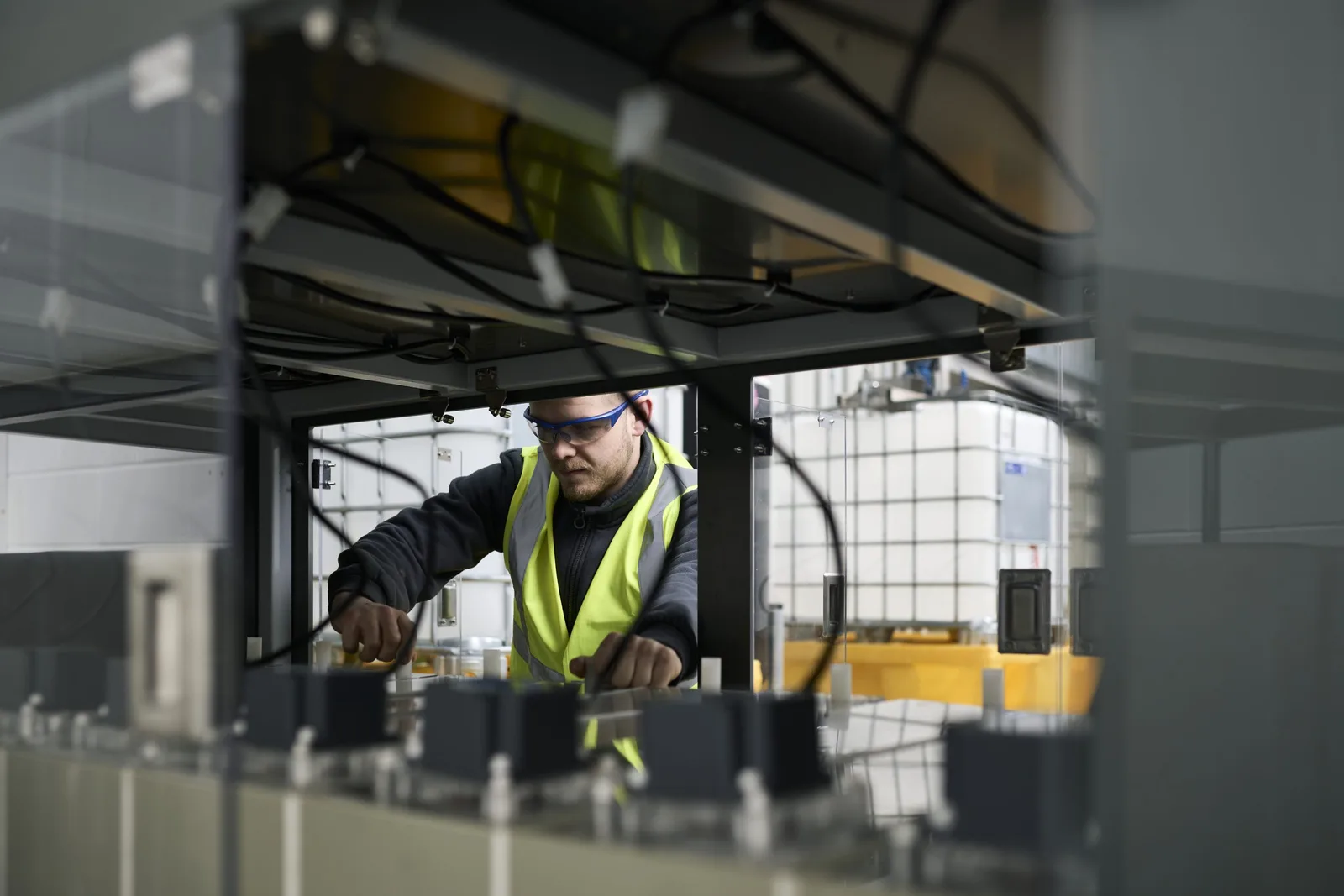
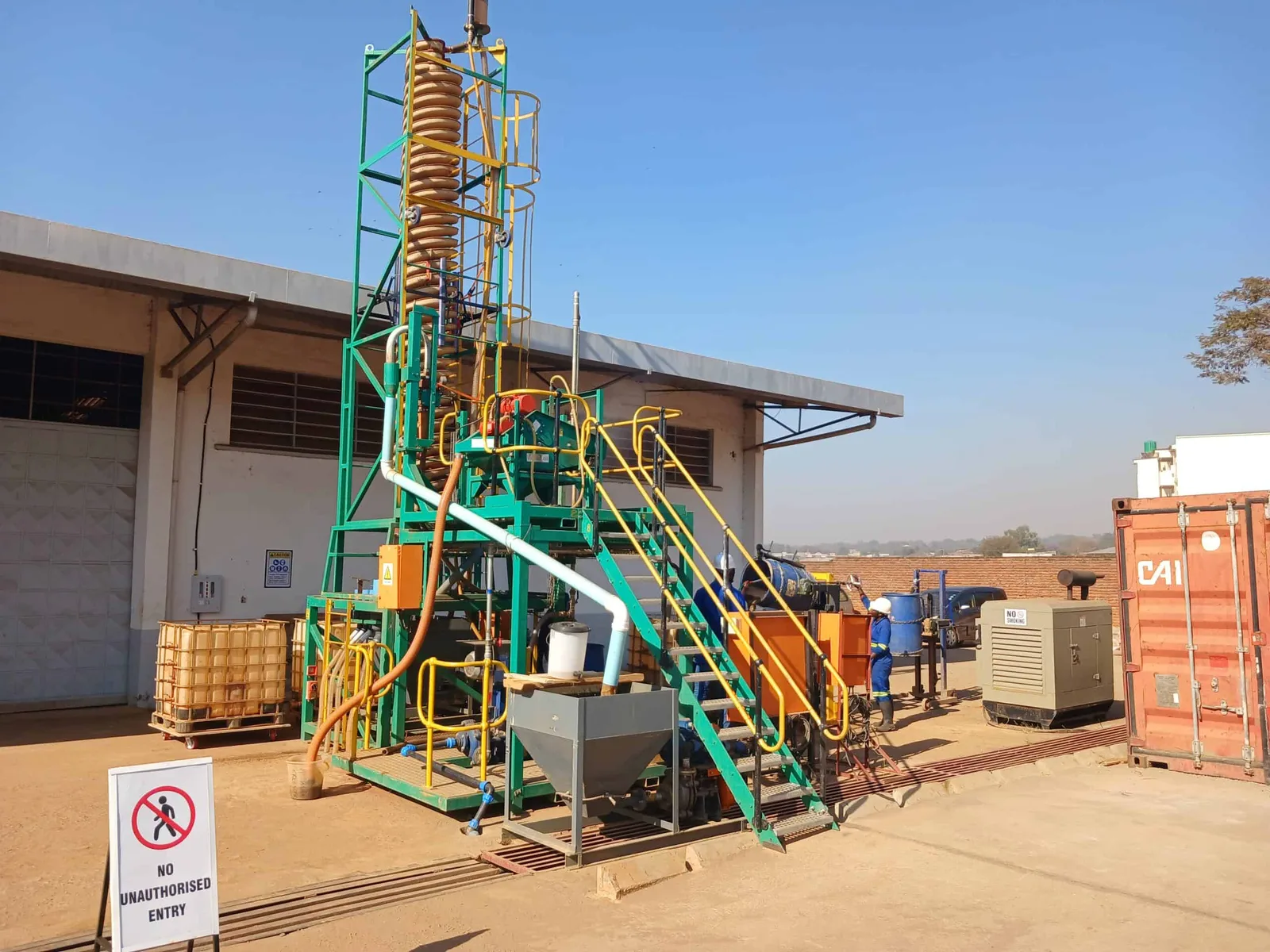
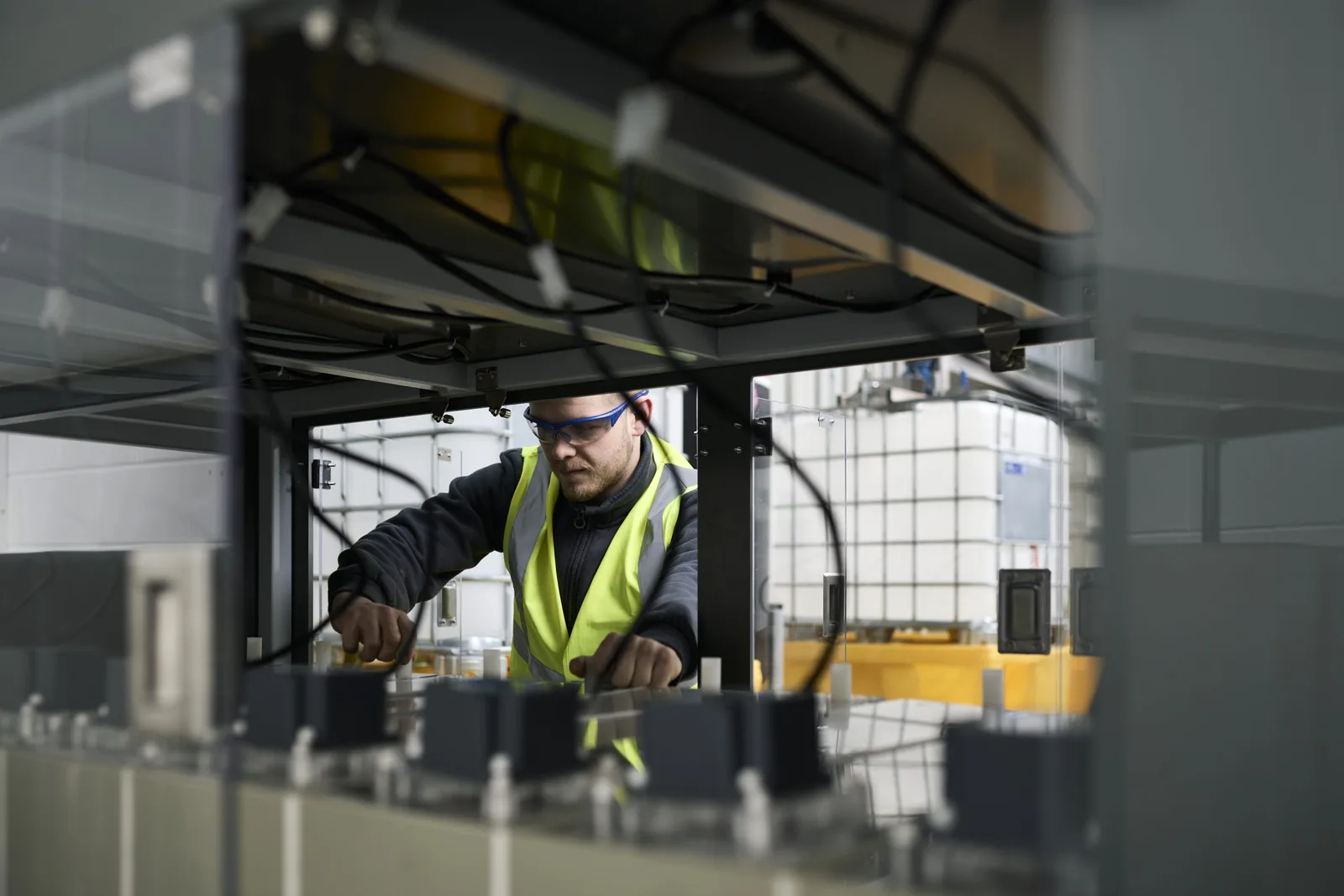
IonicRE says it has built a significant operational presence in the United Kingdom. Its wholly owned subsidiary, Ionic Technologies, runs a demonstration plant in Belfast that recovers rare earth oxides from used permanent magnets and from swarf, the scrap left over when magnets are made. The company wants to build a commercial-scale recycling plant in Belfast and repeat the technology in other countries.
The board gave four reasons for the move:
- it has built a significant operational presence in the UK;
- an AIM listing should support its growth plans, including the Belfast commercial plant;
- it should raise the company's profile in the UK and Europe and help its funding strategy;
- it gives access to investors who know the critical minerals and energy transition sectors.
IonicRE also said that recent changes to AIM's rules make the market more attractive for a company like it, and that UK and European investors it has met have shown interest in its magnet recycling plans.
IonicRE before the AIM plan
- Q4 2026 target date for AIM admission
- A$8.0m placement completed in August
- US$100m proposed funding for a US magnet recycling joint venture
A Busy Few Months
The AIM plan follows a run of announcements. In July the company said it had commissioned Tenova Advanced Technologies to carry out front-end engineering design (FEED) for the Belfast plant, and it launched a strategic review of Makuutu, the heavy rare earths project in Uganda in which it holds 60%. In early August it completed an A$8.0m placement.
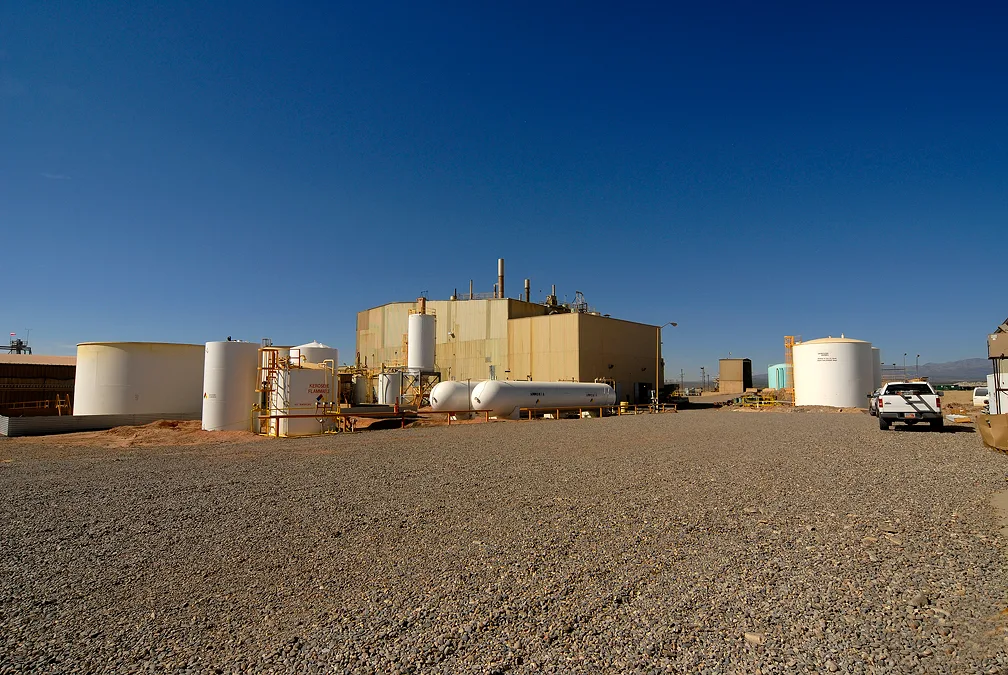
On 3 September IonicRE's US subsidiary signed a non-binding term sheet with US Strategic Metals (USSM) for a 50-50 joint venture to build magnet recycling facilities at USSM's permitted site near Fredericktown, Missouri. The proposed funding is US$100m: US$95m from USSM and a US$5m equity contribution split equally between the partners. Ionic Technologies would contribute a non-exclusive licence for its technology. The deal depends on definitive agreements that the partners aim to complete by the end of 2026.
What It Means for Investors
A second listing does not change what IonicRE owns. It can widen the pool of buyers for its shares, and London trading hours suit UK and European investors better than Sydney's. It also brings costs: advisers' fees, a nominated adviser, and a second set of market rules to follow.
The bigger question is funding. IonicRE is still a development company. Its Belfast demonstration plant is not a commercial business, and the full-scale plant needs planning consent, a complete funding package and a final investment decision before construction can start. The company has said the AIM listing should help its capital funding strategy, and new money for a company at this stage usually means issuing more shares, which dilutes existing holders.
Points to watch
- Whether admission happens in the fourth quarter as targeted
- Whether a share sale accompanies the listing, and at what price
- Progress on the Belfast funding package and final investment decision
- Definitive agreements for the USSM joint venture by year-end
- The outcome of the Makuutu strategic review
IonicRE said it would provide further updates in due course.