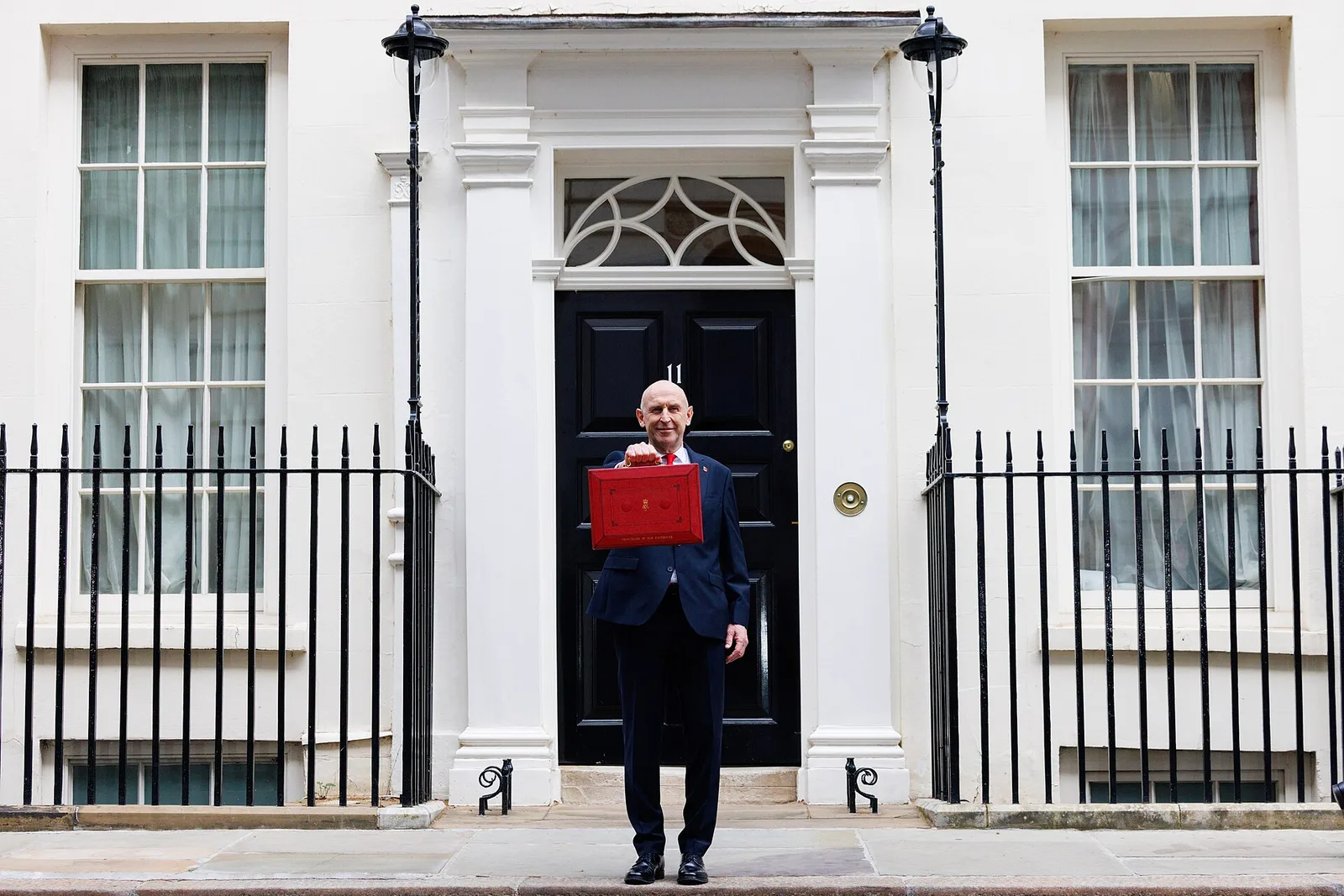
Chancellor John Healey's Budget on Wednesday put household costs first, with a £100 energy payment for up to 20 million homes, a longer cut in VAT on electricity and another six months of the 5p fuel duty cut. Savers face higher tax on interest from April 2027, but the £20,000 cash ISA limit stays.
What changes for households
- £100 Household Energy Payment from January 2027 for homes in council tax bands A to D in England
- Temporary VAT cut on electricity extended to 1 July 2027, worth about £50 off the price cap from April
- 5p fuel duty cut extended by six months, with the inflation-linked rise pushed to 1 July 2027
- Tax on savings and property income up two percentage points from April 2027
- Cash ISA limit kept at £20,000 for everyone; Lifetime ISA withdrawal charge cut to 20 percent, so buyers above the price cap are no longer penalised
- National Living Wage up 3.9 percent to £13.21 an hour from 1 April 2027
Energy bills: a £100 payment and a longer VAT cut
The biggest single measure for bill payers is the £100 Household Energy Payment. Up to 20 million households in council tax bands A to D in England will receive it from January 2027, while Scotland, Wales and Northern Ireland receive extra funding and decide how to provide similar support. The Treasury says households paying by direct debit will get it automatically, while others will be invited to apply through their council.
Homes outside bands A to D are not left out entirely. Councils will share a £100 million discretionary fund and set their own eligibility rules. The government's guidance also points households on means-tested benefits to the £150 Warm Home Discount.
The temporary VAT cut on electricity bills now runs until 1 July 2027. The Treasury estimates it takes about £50 off the Ofgem price cap from April 2027, when the next spring cap applies.
The structural change could matter more over time. The government has asked Ofgem to remove standing charges on household gas bills as early as 2027 and move those costs into unit rates. That would cut bills for homes that use little gas, but it shifts more of the fixed cost onto heavy users, which is why the Treasury promised later targeted help for vulnerable households that use a lot of gas, without giving figures yet.
Ofgem is also to consult shortly on a one-off, targeted write-off of energy debt built up since the 2022 to 2024 crisis, for households on means-tested or disability benefits or with a pensioner bill-payer who re-engage with their supplier.
Fuel: the 5p cut runs on
Drivers keep the 5p-a-litre cut in fuel duty for another six months, and the planned increase in line with RPI inflation is deferred to 1 July 2027. The Treasury puts the saving for the average car driver at £230 over this Parliament compared with previous plans.
Two smaller motoring changes are aimed at specific groups. Prices at local, lower-powered public electric vehicle chargers will fall, saving about £150 a year on average, and the tax-free mileage rates for people who use their own cars for work are permanently increased, though the Treasury's summary did not give the new rates.
Savings and ISAs: higher tax, more reason to shelter
Savers get a less welcome change. Tax rates on savings income and property income rise by a further two percentage points across all bands from April 2027. The Treasury says 84 percent of taxpayers will see no increase in their tax bill. For many savers, interest stays within the personal savings allowance or is already held in tax-free accounts.
| Account or allowance | What the Budget says | From |
|---|---|---|
| Cash ISA | Limit stays at £20,000 for everyone | No change |
| Lifetime ISA | Withdrawal charge cut to 20%, ending the penalty for first-time buyers above the £450,000 price cap | 28 October 2026 |
| First Time Buyer ISA | New, simpler route to save for a deposit | Details to follow |
| Stocks and shares ISA | Government to explore an incentive for first-time investors | Details to follow |
| Savings and property income | Tax rates up a further two percentage points in every band | April 2027 |
The cash ISA decision matters because the November 2025 Budget had set out a lower £12,000 cash limit for savers under 65 from April 2027. Keeping £20,000 for everyone, at the same time as raising the tax on interest held outside ISAs, makes the tax-free wrapper more valuable for anyone with savings above their allowance.
The Lifetime ISA change fixes a long-standing complaint. Buyers whose first home costs more than the £450,000 cap previously faced the standard 25 percent charge, which could leave them with less than they paid in. The lower 20 percent charge returns what they paid in, while still clawing back the government bonus.
Pay, pensions and who pays for it
The National Living Wage rises 3.9 percent to £13.21 an hour from 1 April 2027, from £12.71, an increase of £910 a year in gross pay for a full-time worker.
Pensioners gain a new Pension Tax Allowance. From April 2027, people above State Pension age whose total income is no higher than the new State Pension will pay no income tax, with a tapered allowance above that. The Treasury expects about 500,000 pensioners to benefit in 2027-28, around 290,000 of whom will pay no income tax at all.
For side businesses, the trading allowance triples from £1,000 to £3,000.
Part of the bill falls on banks. The Bank Corporation Tax Surcharge doubles from 3 percent to 6 percent for 15 months, ending on 31 March 2028, and the Treasury says it will raise £1.5 billion towards household and business support.