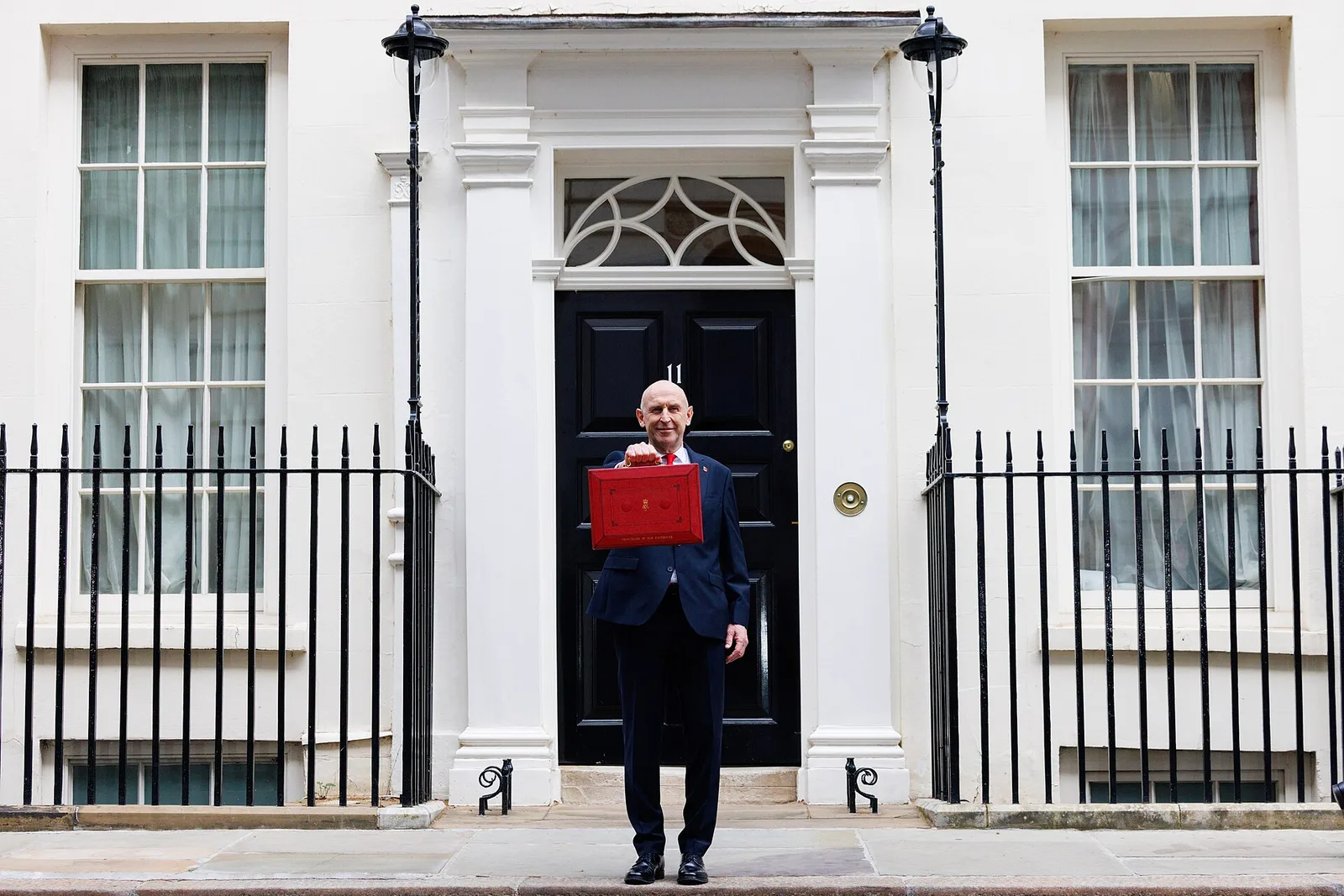
France's 10-year borrowing cost has broken above 5 percent for the first time since 2002, hours before Moody's is due to rule on the country's credit rating. For households the main effect is on new mortgages; fixed-rate loans already signed and the Livret A savings rate are not directly affected.
How Far State Borrowing Costs Have Climbed
The yield on France's benchmark 10-year government bond, the OAT, rose above 5 percent on Wednesday, 21 October, a level last seen in 2002. On Thursday it climbed another 11 basis points to 5.113 percent, above the yield on 10-year US Treasuries for the first time since 2013. The gap over German Bunds has widened to close to 160 basis points, the most since November 2011.
The move has built over weeks. The Agence France Trésor published the 10-year state rate at 4.90 percent on 1, 2 and 8 October, and ECB data put the average 10-year French yield at 4.44 percent in September, the highest monthly average since July 2008.
Investors are reacting to a 2027 budget that Prime Minister Sébastien Lecornu is trying to pass without a majority in parliament. It contains about €43 billion of spending cuts but would still leave the deficit at 5 percent of GDP next year, well above the EU's 3 percent limit, with public debt around 120 percent of GDP. Weekend protests over public services turned into the worst street violence in years, adding to the strain.
Moody's Verdict Due Tonight
Moody's is the last of the three big agencies still rating France in the double-A category. Under EU rules adopted in 2013, sovereign rating decisions are published on Friday evenings after European markets close, so the outcome will be known before Monday's open.
| Agency | Rating | Outlook | Latest or next review |
|---|---|---|---|
| Moody's | Aa3 | Negative | Decision due Friday 23 October |
| Fitch | A+ | Stable | Last reviewed 28 August 2026 |
| S&P Global | A+ | Stable | Next review 27 November 2026 |
Three outcomes are possible: Moody's can keep Aa3 with a negative outlook, cut the rating one notch to A1, in line with Fitch and S&P, or move the outlook to stable. Most economists expect a downgrade, Euronews reported, which would add further upward pressure on government borrowing costs.
What It Means for a New Home Loan
The OAT is the reference for interest rates across much of the French economy. Banks fund fixed-rate mortgages over long periods, so when the state pays more to borrow for ten years, their own funding costs tend to follow, and the rates they offer borrowers rise with a lag. Competition between banks and the margins they choose still shape the final rate, which is why offers can differ widely from one lender to the next.
The High Council for Financial Stability, which oversees mortgage lending rules, said on 15 September that higher market rates had made financing more expensive and that household borrowing costs had risen slightly since the start of the year. It also said it saw no sign that banks were restricting the supply of credit.
What changes and what does not
- A fixed-rate mortgage already signed keeps its rate until the final repayment, whatever Moody's decides
- A formal loan offer must be held by the bank for at least 30 days after the borrower receives it, and can be accepted only after a 10-day reflection period
- An agreement in principle is not a binding offer, so its rate can still change if market rates move
- The Livret A rate of 1.7 percent is set by a formula, not by government bond yields
For buyers with a formal offer in hand, the timetable matters more than the headlines: the terms are locked for the validity period stated in the offer, so the date of the sale agreement and the offer's expiry are the dates to watch. Those still at the stage of a preliminary agreement are the most exposed to any repricing over the coming weeks.
Savers: Livret A Follows Its Own Formula
The Livret A, France's most widely held regulated savings account, has paid 1.7 percent since 1 August. Its rate is set by a regulatory formula based on inflation and €STR, the euro short-term interbank rate, and is normally reviewed on 1 February and 1 August. A jump in long-term government bond yields does not feed into it directly.
Higher yields do change the picture for savers who buy bonds or bond funds. Newly issued French government debt now pays more than at any time in over two decades, while existing bonds bought at lower yields have lost market value as yields rose. Euro-denominated life insurance funds, which hold large amounts of government debt, tend to reflect higher yields only gradually, as old bonds mature and are replaced.
The next fixed points are Moody's decision this evening, the budget debate in the National Assembly over the coming weeks, and S&P's review on 27 November.