UK consumer price inflation rose to 3.5 percent in September from 3.1 percent in August, its highest rate since October last year, as motor fuel prices climbed almost 30 percent on a year earlier. The reading was above forecasts and leaves the Bank of England on course to raise rates on 5 November.
The Office for National Statistics said on Wednesday that prices rose 0.4 percent between August and September, compared with roughly no change in the same month last year. Most economists had expected annual inflation of 3.4 percent.
The broader CPIH measure, which includes owner occupiers' housing costs, rose to 3.6 percent from 3.3 percent. The Bank's target is 2 percent.
Fuel Drives the Biggest Jump
Transport was the largest single driver of the increase. Motor fuel prices were 29.8 percent higher than a year earlier, up from 23.0 percent in August, and transport as a whole contributed 0.94 percentage points to the annual CPI rate.
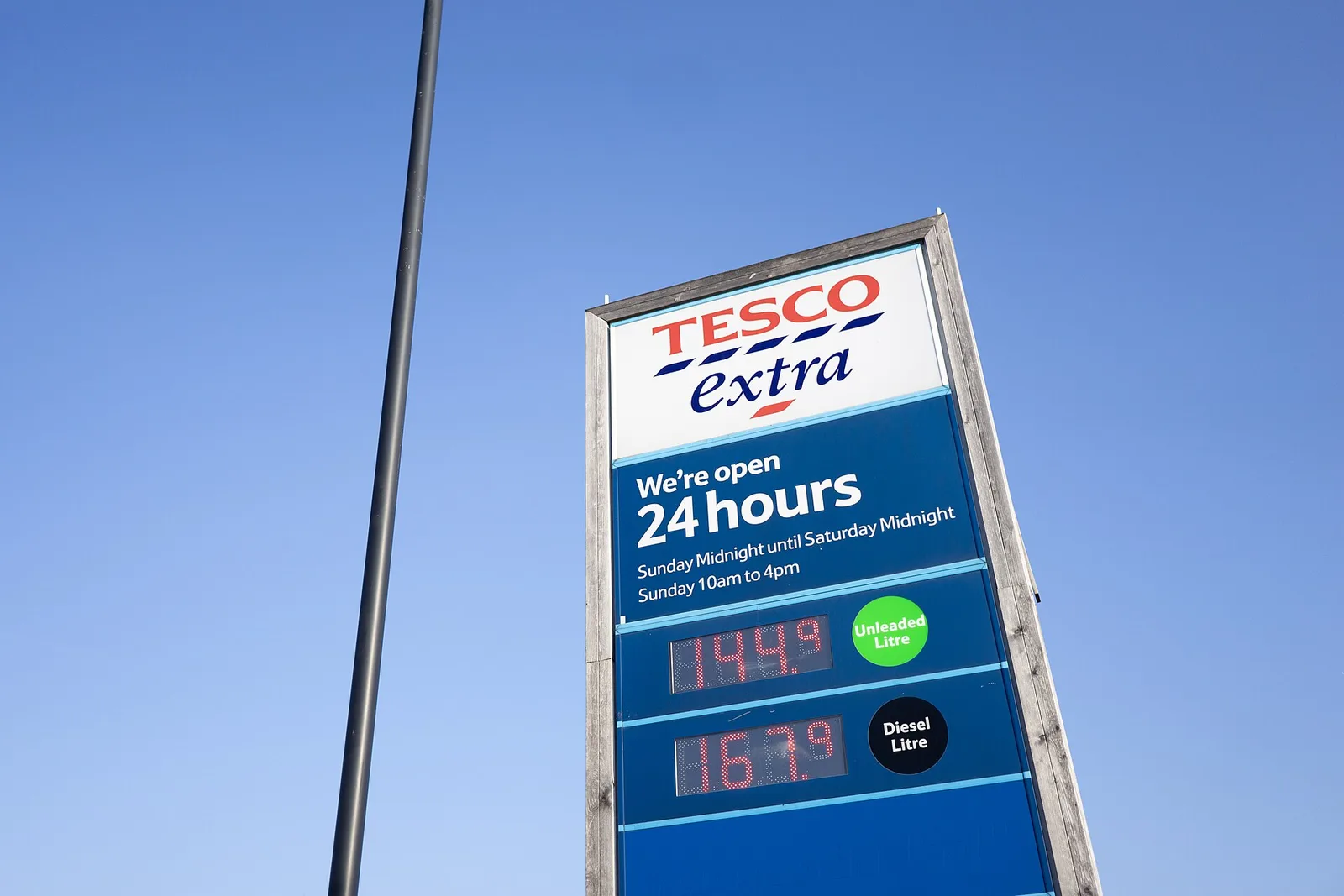
Petrol averaged 169.5 pence a litre in September, its highest since August 2022, while diesel averaged 192.5 pence, the highest since July 2022. The surge follows the war involving Iran, which has disrupted shipping through the Strait of Hormuz and squeezed global supplies of oil and gas.
Other upward pressure came from airfares, which fell by less than a year earlier, mainly on European routes, and from recreation and culture, including live music and cultural events. The government's summer VAT cut ended on 1 September, though the ONS said its reversal had no substantial effect on the headline rate. Restaurants and hotels provided the largest offsetting downward effect.

Core and Services Move the Wrong Way
The figures the Bank of England watches most closely for signs of persistent inflation also rose, which weakens the argument that September's jump is only about energy.
| Measure | August | September |
|---|---|---|
| Headline CPI | 3.1% | 3.5% |
| CPIH | 3.3% | 3.6% |
| Core CPI | 2.6% | 2.8% |
| Services CPI | 3.4% | 3.7% |
| Goods CPI | 2.7% | 3.2% |
| Motor fuel | 23.0% | 29.8% |
Core inflation, which strips out energy, food, alcohol and tobacco, rose to 2.8 percent. Services inflation, closely tied to wages and domestic demand, climbed to 3.7 percent. Goods inflation, which includes fuel, rose to 3.2 percent from 2.7 percent, the highest since September 2023.
Economists See a 5 November Rise
Bank Rate stands at 3.75 percent. The Monetary Policy Committee held it there in September but signalled it was ready to raise rates soon, and three of its nine members already voted for an increase at that meeting.
Rates had been falling from a 15-year high of 5.25 percent until the United States and Israel attacked Iran in late February and energy prices surged. A rise to 4 percent on 5 November would be the Bank's first increase of 2026. The US Federal Reserve and the European Central Bank have already raised rates.
Economists said the data make a rise very likely. Suren Thiru, chief economist at the ICAEW, said "the pieces are falling firmly into place for a November rate rise". Andrew Wishart, senior UK economist at Berenberg, said the figures probably guarantee a quarter-point increase at the 5 November meeting.
David Rees, head of global economics at Schroders, said Britain faces a perfect storm of imported inflation pressures. The labour market gives the Bank little reason to wait: unemployment fell to 4.7 percent in the three months to August, and the economy grew 0.7 percent in the three months to August, ahead of forecasts.
A Budget a Week Before the Bank Decides
The rate decision comes a week after the 28 October Budget, which economists see as the main risk to the outlook. The chancellor, John Healey, has said he wants the Budget to give businesses and families some breathing space from rising living costs.
That creates a tension for the Bank. Rees said expectations for the Budget are low, and warned that any significant fiscal boost would raise the risk that imported inflation becomes more persistent. Reports last week that the chancellor plans to raise taxes on bank profits suggest the Treasury is also looking for revenue.
For households, the immediate effects run in two directions. Higher fuel and energy costs squeeze budgets now, while a rate rise would push up the cost of new fixed-rate mortgages and variable-rate loans, and lift returns on savings. The next inflation figures, for October, are due in November, after the Bank has decided.
Sources
- Office for National Statistics: Consumer price inflation, UK: September 2026
- Associated Press (via ClickOnDetroit): UK inflation rises to highest in almost a year as Iran war drives fuel prices higher
- Trustnet: November interest rate hike a 'done deal' as UK inflation hits 3.5%
- Sharecast News: Europe close: Stocks push higher despite AI sell-off
- Sharecast News: Europe close: stocks finish higher despite tech sell-off