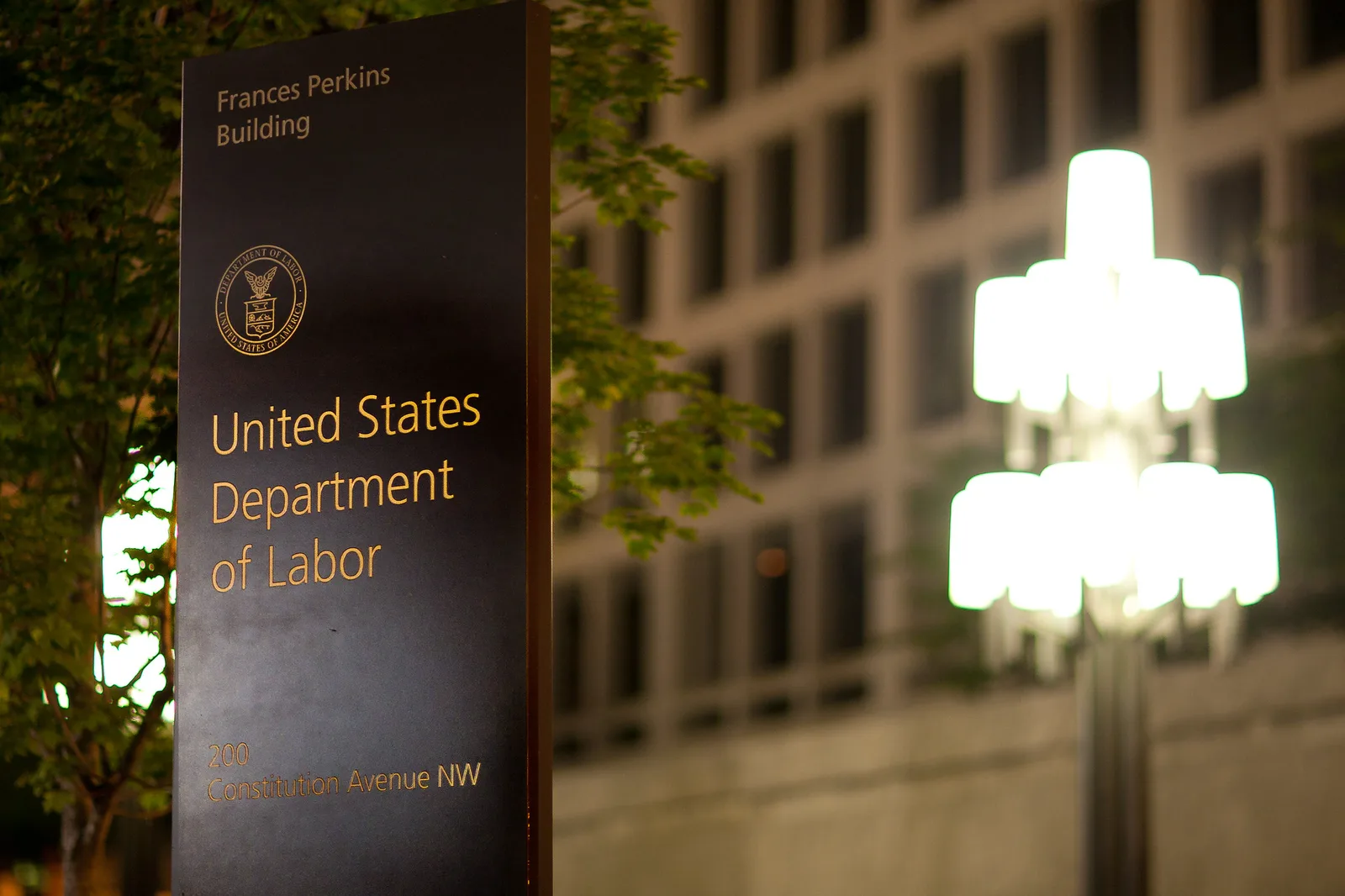
The US economy added 162,000 jobs in August, nearly three times what economists had expected, and earlier months were revised up. The report pushed short-term Treasury yields and the dollar higher as traders weighed the chance of a Federal Reserve rate rise this month.
Nonfarm payrolls rose by 162,000 last month, the Bureau of Labor Statistics said on Friday, against a consensus forecast of about 56,000. The unemployment rate held at 4.1 percent, in line with expectations, leaving about 7.0 million people out of work.
The figure stands far above the recent trend. Over the previous 12 months, payrolls had grown by an average of just 31,000 a month.
US labour market, August
- 162,000 jobs added, against about 56,000 forecast
- 4.1% unemployment rate, unchanged
- 3.1% annual growth in average hourly earnings
Revisions erase July's decline
The upward revisions strengthened the message. July, first reported as a loss of 23,000 jobs, was revised to a gain of 21,000. June was raised to 31,000 from 20,000. Together the two months were 55,000 stronger than previously thought.
Private employers added 127,000 jobs, against about 45,000 expected, and government payrolls rose by 35,000. The labour force participation rate edged up to 61.6 percent from 61.4 percent, although it remains half a percentage point below its January level. A broader measure of underemployment, which includes part-time workers who want more hours, fell to 7.7 percent from 7.9 percent.
Average hourly earnings rose 0.3 percent on the month to $37.75, matching forecasts. The annual rate of 3.1 percent was a touch above the 3.0 percent expected.
Restaurants and schools lead the gains
| Sector | Change in August |
|---|---|
| Food services and drinking places | +59,000 |
| Local government education | +42,000 |
| Manufacturing | +16,000 |
| Health care | +13,000 |
| Information | -23,000 |
The detail tempers the headline somewhat. Restaurants and bars, together with education, accounted for well over half of the increase, and analysts at investingLive noted that these sectors made up roughly 93,000 of the 162,000 jobs. Manufacturing did beat its forecast of 5,000, while the information sector, which includes publishing, telecoms and data processing, shed jobs.
Markets lean toward a September hike
The two-year Treasury yield, the part of the curve most sensitive to Fed policy, rose 7 basis points to 4.40 percent after the release. The dollar strengthened, and the euro fell to $1.1591 from $1.1623.
Before the data, futures implied about a 50 percent chance that the Fed would raise rates at its September meeting, with about 32 basis points of increases priced for the rest of the year. The Fed left its target range at 3.50 to 3.75 percent in July, but three regional Fed presidents dissented in favour of a quarter-point rise.
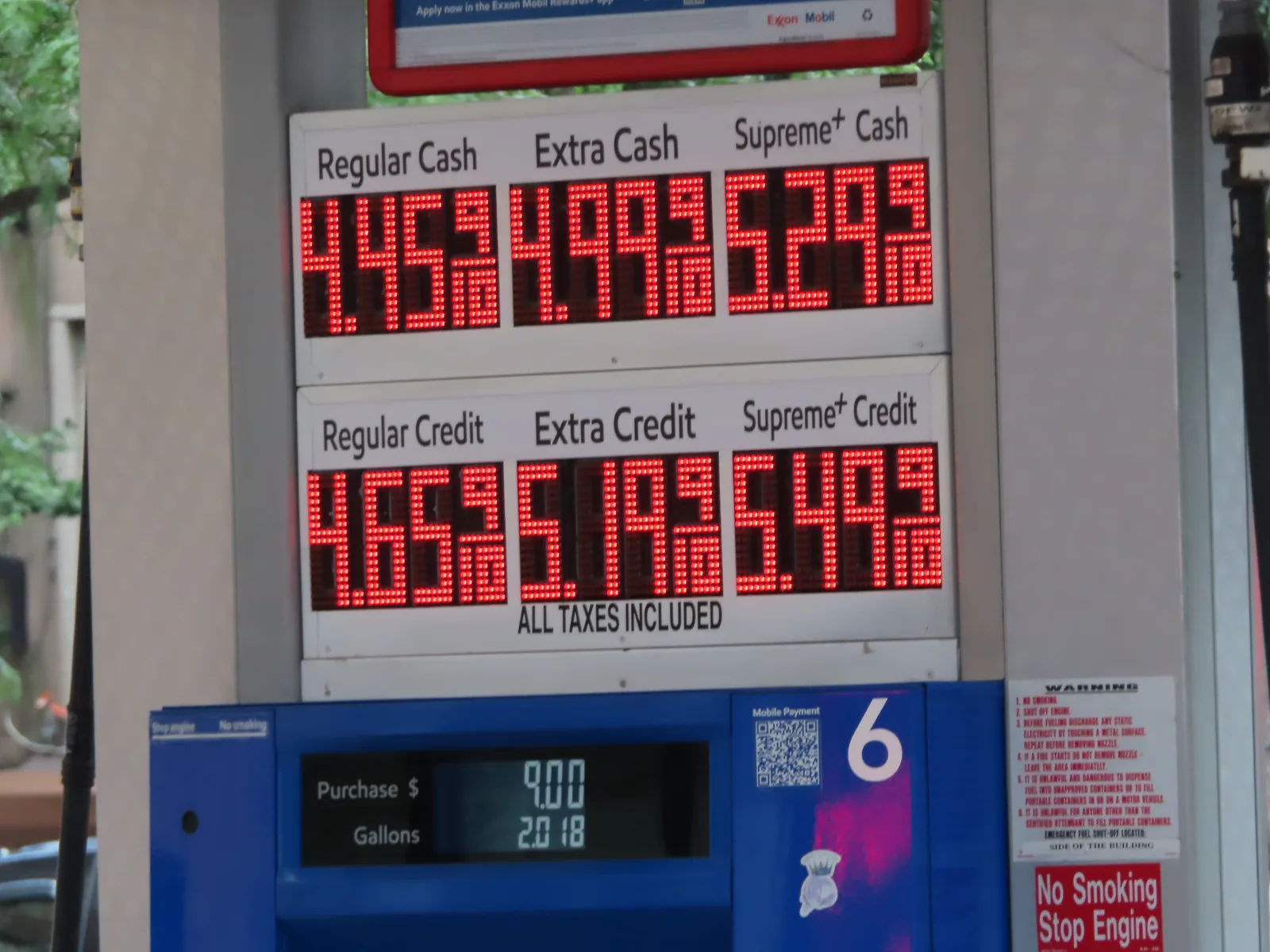
Inflation is the reason the debate has shifted toward tightening. The personal consumption expenditures index, the Fed's preferred measure, rose 3.7 percent in the year to July, with core prices up 3.3 percent. Consumer prices rose 3.4 percent over the same period.
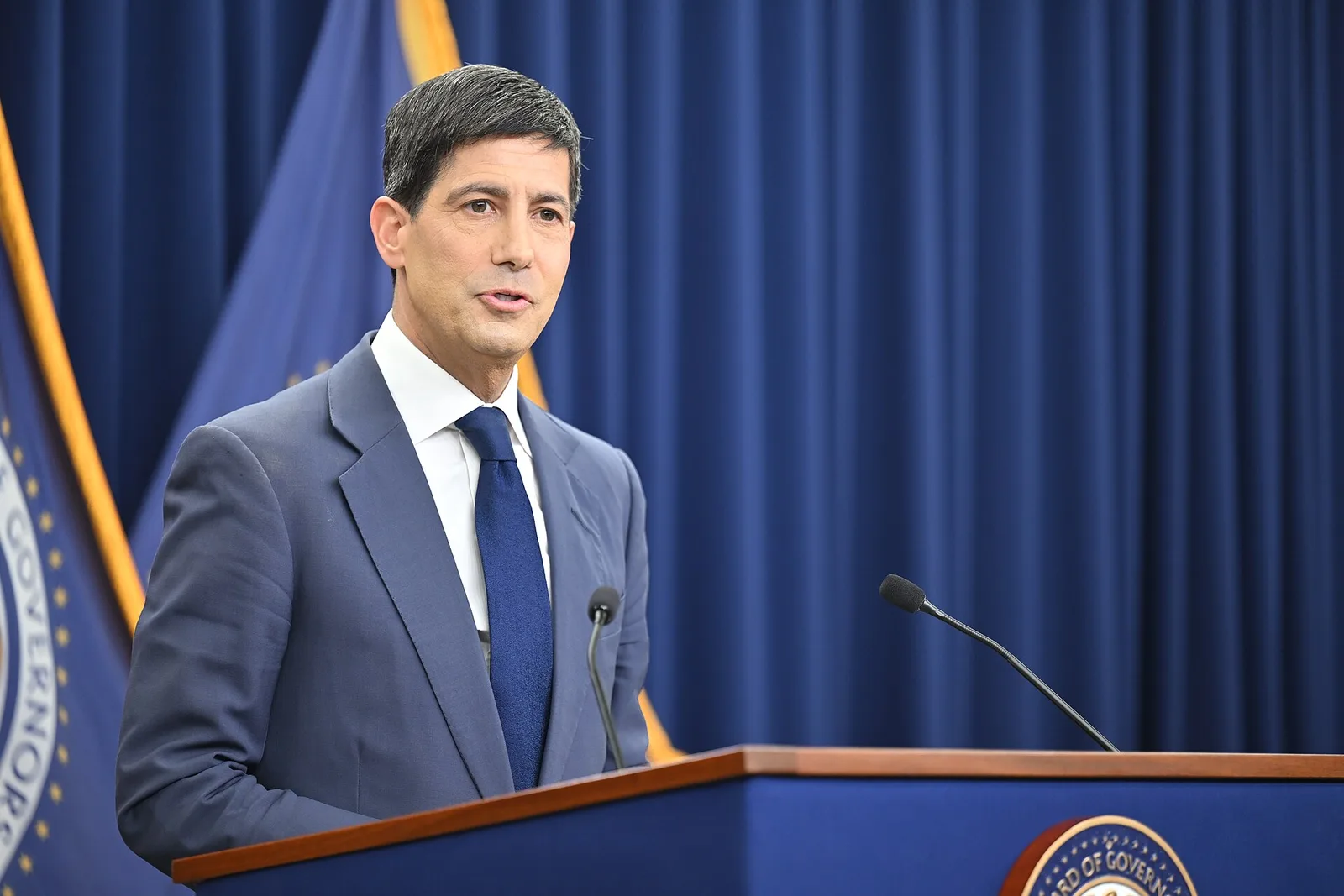
Fed Governor Christopher Waller said on Thursday that borrowing costs were only slightly restricting demand and that he would wait for next week's inflation figures before deciding. "If inflation comes in hot I would consider a rate hike," Waller said, while adding that without a surprise he leaned toward holding steady in September. A jobs report this strong removes one of the main arguments for waiting.
What a stronger dollar means for Europe
For European investors, a more hawkish Fed matters through the currency. A firmer dollar makes dollar-priced oil and gas more expensive in euro terms at a time when energy is already driving inflation higher. Euro-area inflation rose to 3.3 percent in August from 2.9 percent in July.
The European Central Bank meets next Thursday, 10 September, and markets expect it to raise its deposit rate to 2.50 percent from 2.25 percent. A Fed that keeps tightening as well would limit any relief for the euro from higher European rates.
The next markers are the US inflation figures due next week and the Fed's decision on 16 September. After Friday's report, the question for that meeting is less whether the US economy can withstand higher rates and more whether inflation forces the Fed to impose them.
Sources
- US Bureau of Labor Statistics: The Employment Situation, August 2026
- investingLive: US August non-farm payrolls +162K vs +56K expected
- Hargreaves Lansdown (Sharecast): Europe close: Shares rally on comments from Fed's Waller
- Euronews: Warsh's first Jackson Hole: Bond yields, a Treasury rescue and sticky inflation
- Euronews: ECB rate hike looms as energy shock pushes inflation to 3.3%