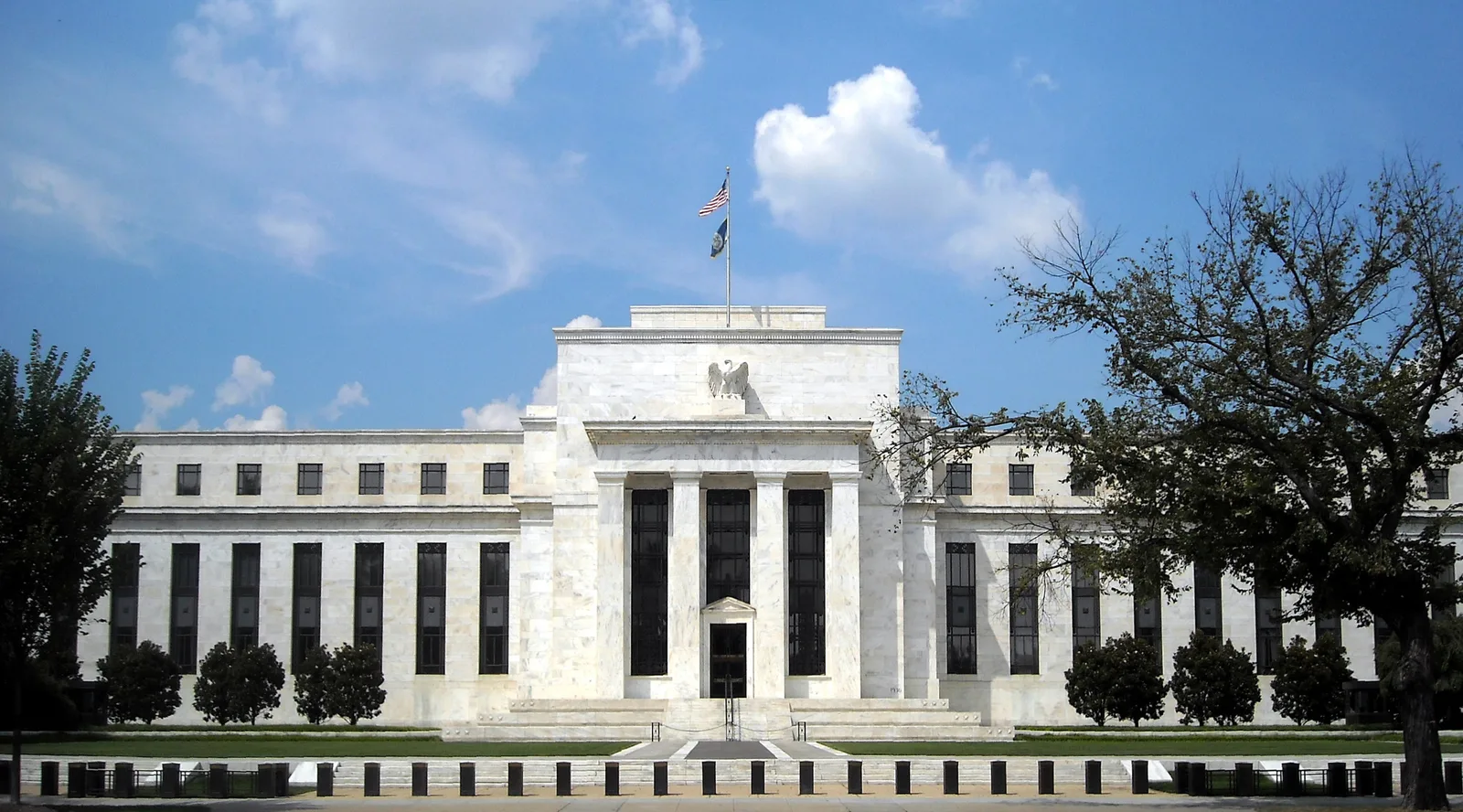
The US Federal Reserve raised its benchmark interest rate by a quarter of a percentage point on Wednesday, its first increase since July 2023, as energy costs from the Iran war kept inflation well above target. The decision was unanimous, and most officials expect at least one more rise before the end of the year.
A unanimous first step
The Federal Open Market Committee lifted the target range for the federal funds rate to 3.75 percent to 4 percent, from 3.5 percent to 3.75 percent. The vote was 12-0.
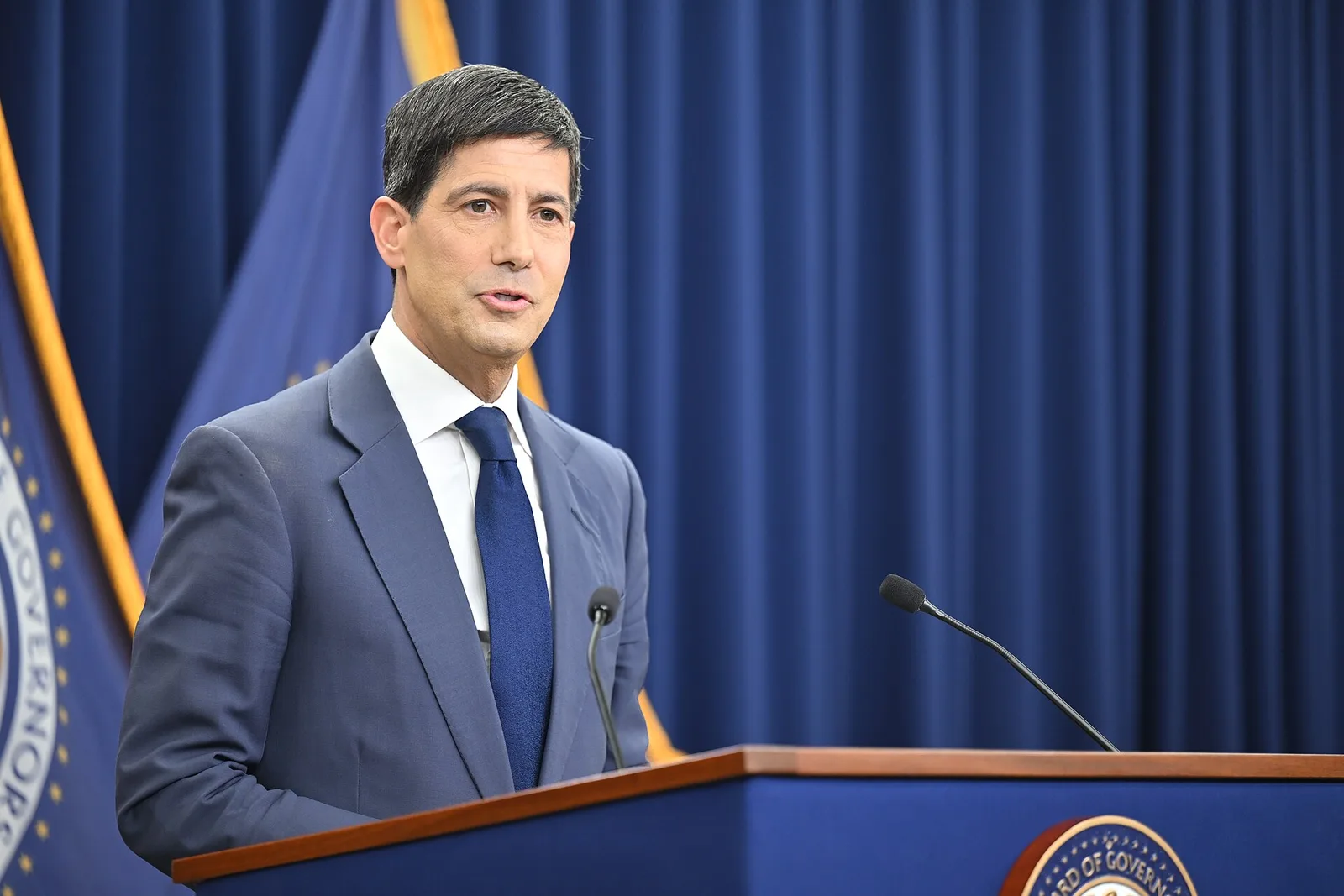
The unanimity is a shift from July, when the Fed held rates but three officials dissented in favour of an increase. It also sets the central bank against President Donald Trump, who has pressed for lower borrowing costs. In April, while the Senate was considering Kevin Warsh's nomination as Fed chair, Mr Trump said he would be disappointed if Mr Warsh did not cut rates.
Mr Warsh, now chair, was blunt about the reason. Inflation, he said, "is too high and has been for too long."
The Fed's decision in numbers
- 3.75% to 4% new federal funds target range
- 12-0 vote in favour of the rise
- 4.1% rate implied for end-2026 by the median projection
Projections point to one more rise
The Fed's quarterly projections signal more to come. Of the 18 policymakers who submitted forecasts, 16 expect at least one more increase this year and four see two more. The median places the rate at about 4.1 percent by the end of 2026, which implies one further quarter-point move.
Only two meetings remain this year, on 27 and 28 October and on 8 and 9 December. Futures markets treat a hike by December as close to certain, while many economists expect the Fed to hold in October and move in December.
The projections show inflation, measured by the personal consumption expenditures price index, at 3.7 percent in 2026, falling to 2.3 percent in 2027, according to Fox Business. Mr Warsh put the unemployment rate at about 4.1 percent.
Inflation driven by the energy shock
The Fed's preferred inflation measure rose 3.7 percent in the year to July, up from 2.3 percent in April 2025. Core inflation, which excludes food and energy, was 3.3 percent, compared with 3 percent just before the Iran war began. Core prices picked up slightly again in August, according to consumer price data published last week.
Demand has held up well enough to give the Fed room to act. Retail sales rose 1.2 percent in August, a strong reading that suggests US consumers are still spending despite higher fuel bills.
The risk for any central bank facing an oil shock is that a temporary jump in energy prices turns into lasting inflation. Core inflation above 3 percent, and still edging up, is a sign that the process may have started, which helps explain why the committee chose to tighten rather than wait for oil prices to ease.
Why Europe is paying attention
The Fed's move tightens financial conditions well beyond the US. The yield on the 10-year Treasury rose above 5 percent on Tuesday for the first time since a brief spell in October 2023, and higher US yields tend to pull up borrowing costs for European governments and companies, which compete for the same global savings.
The European Central Bank has already moved: it raised its deposit rate to 2.5 percent last week. The Bank of England announces its decision on Thursday. With US rates well above euro-area rates and both now rising, the interest rate gap between the dollar and the euro is a factor for the exchange rate, for European exporters selling into the US and for any European company that borrows in dollars.
For investors, the message from Washington is that central banks are prepared to raise rates even with growth slowing in parts of the world economy, as long as energy keeps inflation high. That leaves bond markets, rate-sensitive sectors and currency markets reacting to every move in the oil price.
Sources
- AP via OPB: Federal Reserve hikes key rate for 1st time in 3 years, defying Trump demands for a cut
- Fox Business: Federal Reserve hikes interest rates for first time since 2023 amid stubborn inflation
- Sharecast News: Europe close: Stocks hit three-month low as bond yields, oil prices climb
- Euronews: Bank of England holds rates at 3.75% in 6-3 split vote as inflation hits five-month high