The Philadelphia Fed's factory index fell to 6.3 in November from 20.9 in October, far below the 20 forecasters expected, according to the news service Newsquawk, while the prices manufacturers pay jumped to 58.2, the highest since April. On the same morning, US jobless claims rose to 203,000 and the Conference Board's leading index slipped 0.3%. Softer demand and hotter costs land less than three weeks before a Federal Reserve meeting at which almost all officials see a further rate rise as likely.
US data, Thursday 19 November
- 6.3 Philly Fed general activity index, down from 20.9
- 58.2 Prices paid index, up 15 points to its highest since April
- 203,000 New jobless claims in the week to 14 November
Philadelphia Fed index falls to its lowest since May
The monthly survey asks manufacturers in the Philadelphia Fed's region whether business is improving. Each index is the share of firms reporting an increase minus the share reporting a decrease, so anything above zero still means growth.
Just over 36% of firms reported higher activity and 30% reported lower, leaving the headline at 6.3, its weakest reading since May. Activity in the region "was less widespread but continued to expand overall", the Philadelphia Fed said.
The more telling number is new orders, the pipeline of future work. That index fell 5 points to minus 0.4, its lowest since May and its fourth decline in a row. Not everything weakened: shipments rose 10 points to 25.7, the employment index climbed 3 points to 11.6, its first rise in three months, and the average workweek lengthened.
| Philadelphia Fed index | October | November |
|---|---|---|
| General activity | 20.9 | 6.3 |
| New orders | 4.3 | -0.4 |
| Shipments | 15.3 | 25.7 |
| Employment | 9.1 | 11.6 |
| Prices paid | 43.2 | 58.2 |
| Prices received | 40.1 | 47.0 |
Factory prices paid jump to 58.2 as firms expect rivals to raise prices
Costs tell a different story. More than 58% of manufacturers said the prices they pay for inputs rose this month, up from 43% in October, and not one firm reported a fall. The index of prices firms charge their own customers rose 7 points to 47.0, its highest since June 2022.
A special question hints at what comes next. Fifty-six percent of firms said they can clearly see changes coming in their industry's costs over roughly the next six months, up from 44% last quarter. Of those, 78.6% expect competitors to respond by raising prices, and the median firm expects them within three months, against four last quarter.
Buyers are watching prices more closely: about 42% of firms said their core customers had become more price sensitive since last quarter. Those factory pressures follow October's 0.4% rise in US consumer prices, which beat forecasts.
US jobless claims rise to 203,000
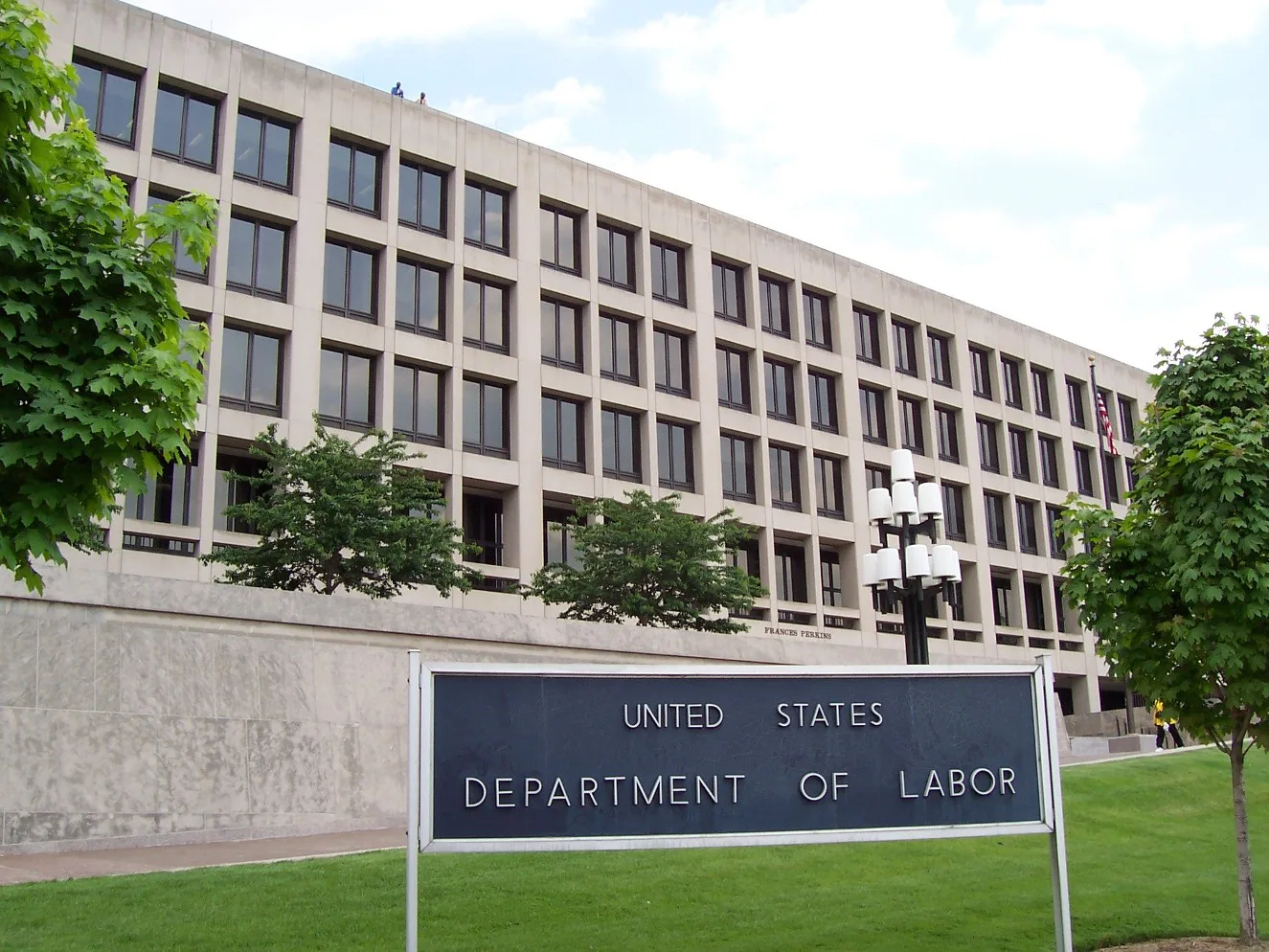
The Labor Department said 203,000 people filed new claims for unemployment benefits in the week ending 14 November, up 1,000 from the previous week, which was itself revised up to 202,000. The four-week average, which smooths out weekly noise, rose 2,000 to 197,750.
Continuing claims, the number of people already receiving benefits, rose more sharply, jumping 70,000 to 1,763,000 in the week ending 7 November, and the insured unemployment rate held at 1.1%.
Continuum Economics said the rise in continuing claims took them to their highest since late August and, if sustained, would suggest more people are losing jobs. The firm expects November's payrolls report to show a moderate gain of 95,000.
Conference Board leading index falls 0.3% as building permits slump
The Conference Board's Leading Economic Index, a basket of ten forward-looking indicators including jobless claims and share prices, fell 0.3% in October to 99.3, after holding flat in September.
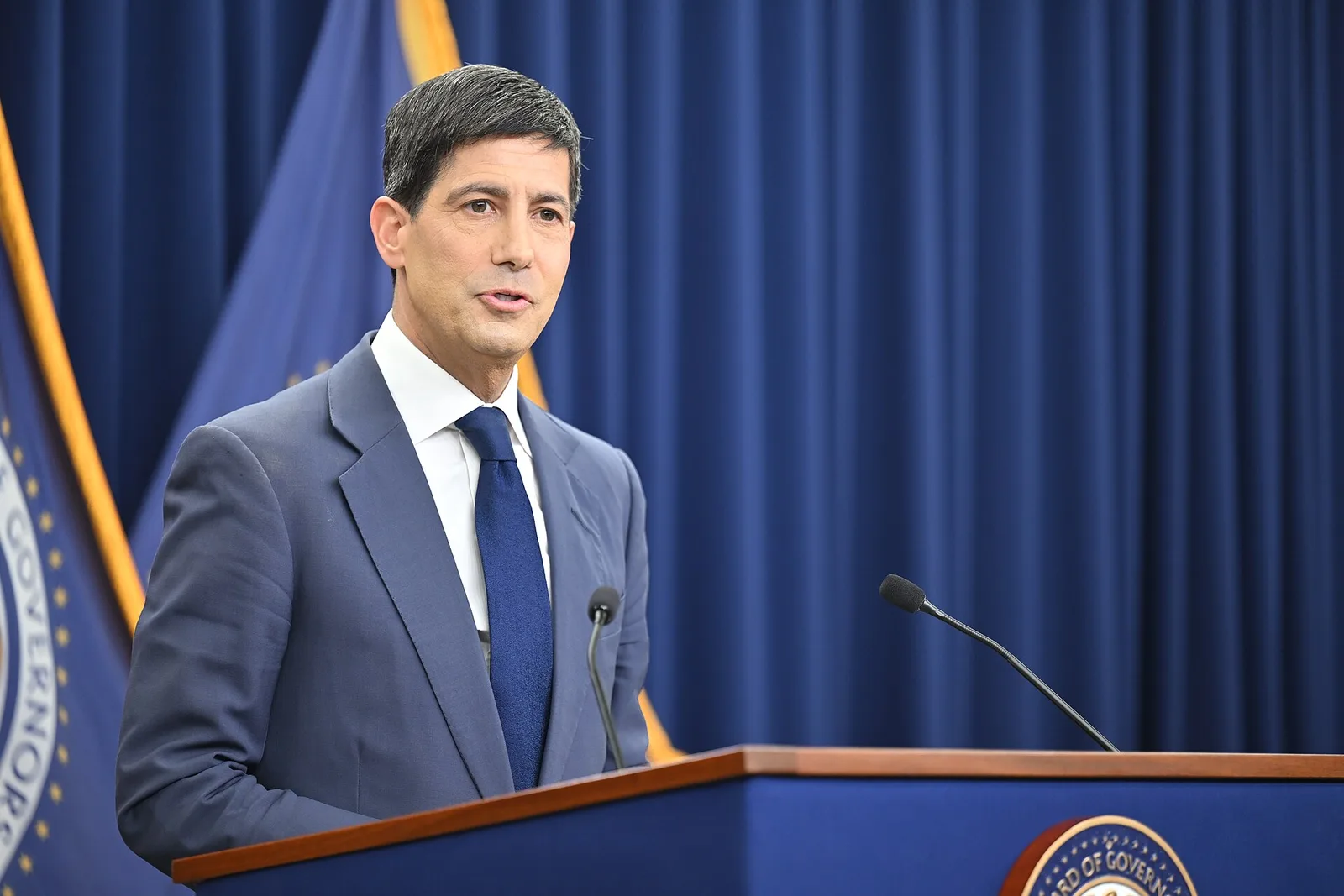
"The US LEI's decline in October was mostly fueled by fewer building permits," said Justyna Zabinska-La Monica, senior manager for business cycle indicators at the Conference Board. She said permits were at their weakest since May 2020. Consumer expectations for business conditions, factory hours and orders for business equipment also dragged.
Over six months the index still grew 0.1%, which the Conference Board said signals continued expansion, increasingly led by investment rather than by households. It expects US economic growth of 2.3% in 2026 and 2.1% in 2027.
What Thursday's data means for the Fed's December decision
The Fed held its target range at 3.75% to 4% at October's split meeting, with two officials voting against.
The minutes of that meeting, published on Wednesday, showed almost all officials judged that further action to raise rates would likely be appropriate to bring inflation back to 2%. A couple said a rise larger than a quarter point could be considered at the next meeting if inflation data were unfavourable.
Thursday's figures pull in two directions: weaker orders and rising claims point to cooling demand, while rising input costs point to the broad price pressure the minutes described. Newsquawk cautioned that regional factory surveys have rarely shifted Fed expectations on their own without confirmation from national data.
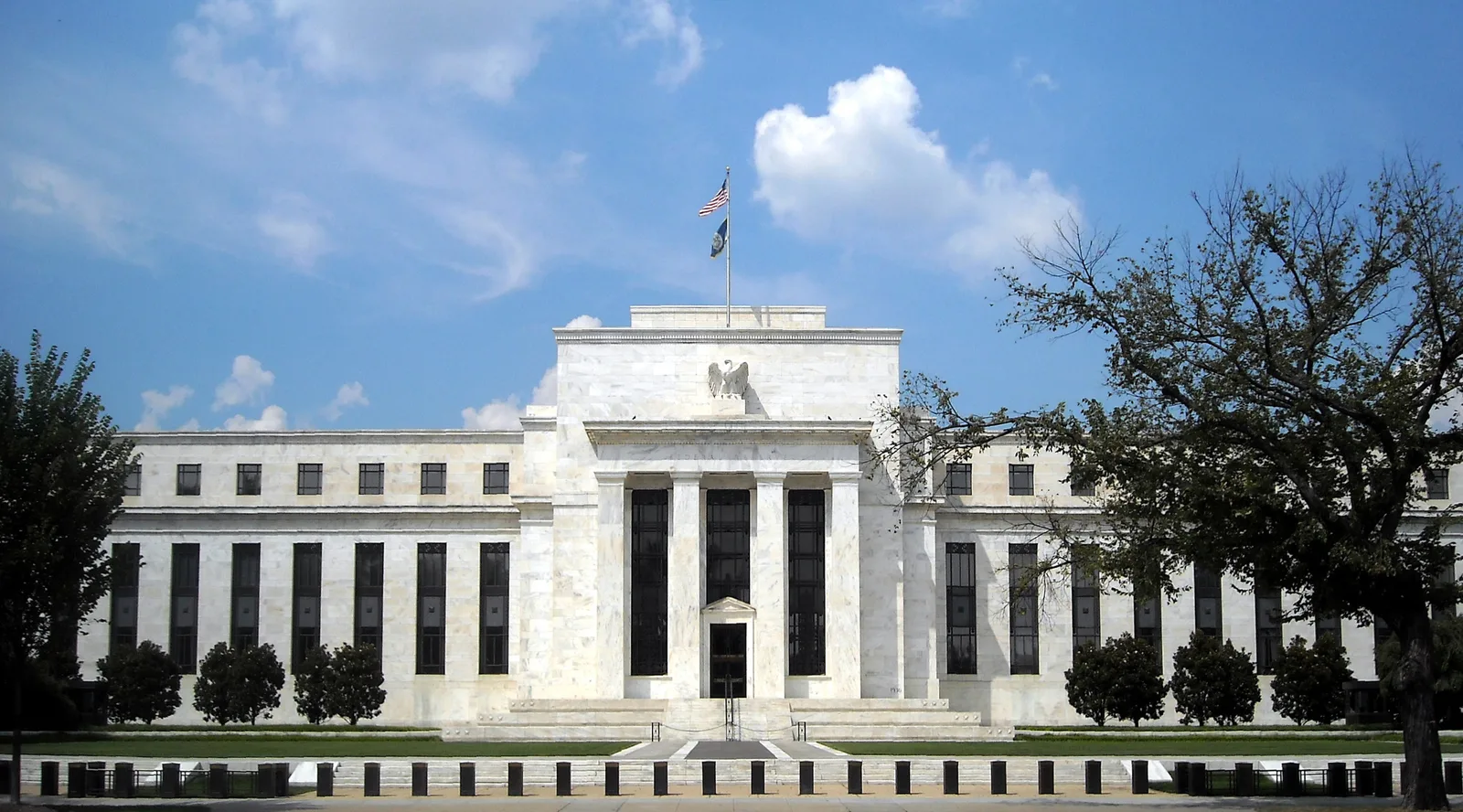
The Fed's policy committee meets next on 8 and 9 December. Where the big three central banks stand puts the Fed beside the ECB and the Bank of England. More US data is on the Economy page.
What was the Philly Fed index in November 2026?
The Philadelphia Fed's index of current factory activity fell to 6.3 in November 2026 from 20.9 in October, its lowest since May. A reading above zero means more firms reported growth than decline.
How many Americans filed for unemployment benefits this week?
New jobless claims rose to 203,000 in the week ending 14 November, up 1,000 from the week before, the US Labor Department said on Thursday 19 November.
Will the Fed raise interest rates in December 2026?
No decision has been made yet: the Fed next meets on 8 and 9 December. October's minutes showed almost all officials saw a further rise as likely to be appropriate.
Sources
- Federal Reserve Bank of Philadelphia: November 2026 Manufacturing Business Outlook Survey
- US Department of Labor: Unemployment Insurance Weekly Claims
- The Conference Board: US Leading Indicators
- Federal Reserve: Minutes of the Federal Open Market Committee, October 27-28, 2026
- Newsquawk: US Philadelphia Fed Manufacturing Index (Nov) 6.3 vs. Exp. 20 (Prev. 20.9)
- Continuum Economics: U.S. Initial Claims, November Philly Fed, Hints of slowing